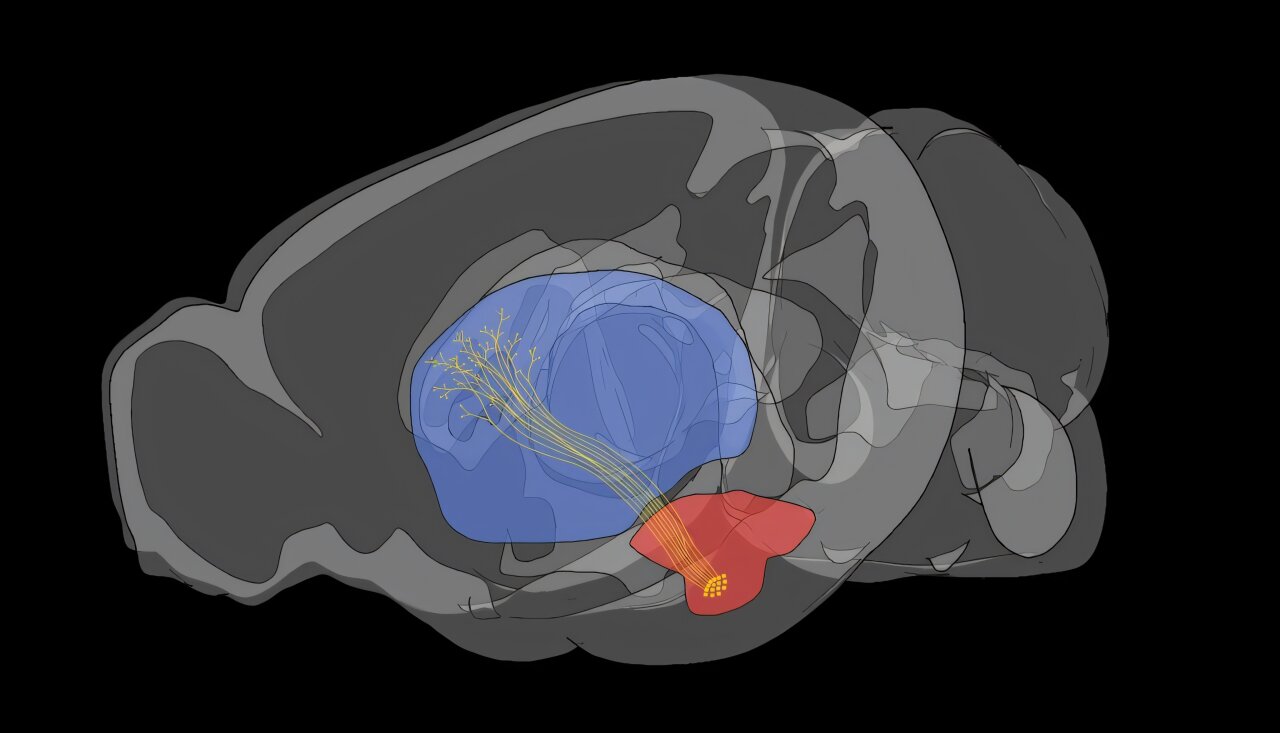
Research led by Dr. Joshua L. Plotkin at Stony Brook University has identified a previously unrecognized brain circuit associated with obsessive-compulsive disorder (OCD). The study, published in the journal Neuron, utilized a mouse model to explore the connection between the amygdala, which processes emotions such as fear, and the dorsolateral striatum (DLS), a region involved in automatic behaviors.
Read More
Researchers discovered a direct connection from a small number of amygdala neurons to the DLS, a finding not seen in prior studies. Zachary Hobel, the study’s lead author, employed advanced imaging techniques to demonstrate that this amygdala-DLS connection, despite its minimal size, significantly impacts DLS function by enhancing synaptic plasticity tied to sensory-triggered behaviors.
The team also found that stimulating this pathway intensified certain behaviors. In experiments, when a droplet of water was applied to a mouse's nose, stimulation of the amygdala-to-DLS circuit caused prolonged grooming behavior, even after the stimulation ceased.
In a significant observation, inhibiting the amygdala in a mouse model of OCD reduced compulsive behaviors, suggesting the circuit's heightened activity may drive symptoms of the disorder. Plotkin noted that understanding the mechanisms by which emotional experiences strengthen sensory-action connections could illuminate how normal behaviors turn compulsive.
While the mouse model effectively mirrors human OCD responses to treatment, there remains a lack of comprehensive knowledge regarding the specific neuronal disruptions implicated in OCD. Nevertheless, the findings open new avenues for identifying targeted treatments for the disorder.