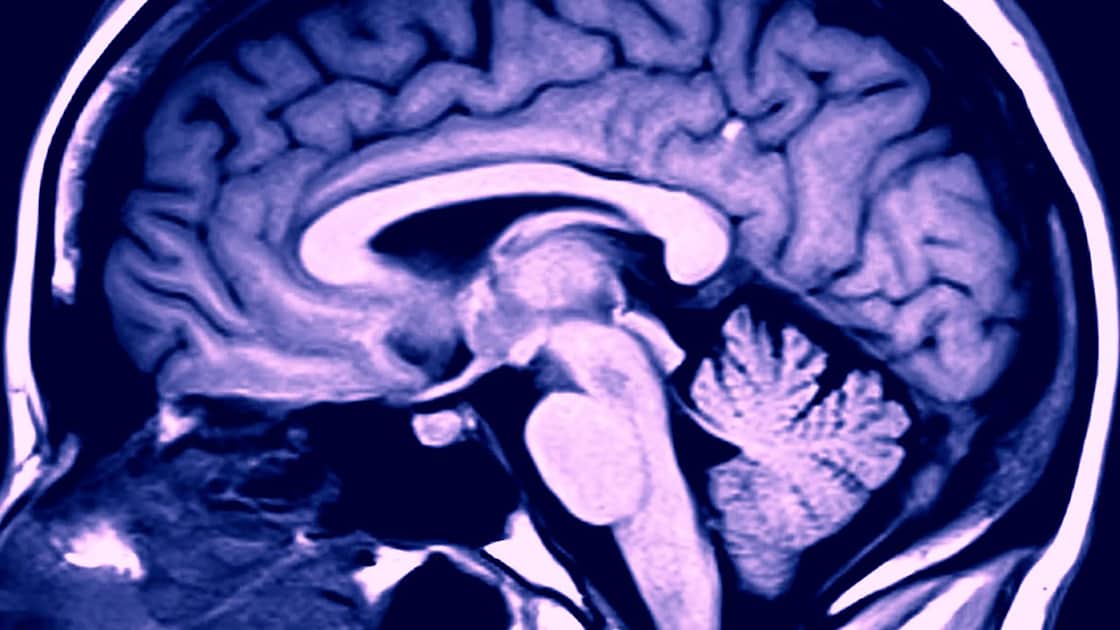
In 2000, Yale psychiatrist John Krystal, MD, discovered that ketamine could rapidly alleviate symptoms of major depression, often within hours. This marked a significant advancement in depression treatment, focusing on the brain’s glutamate system rather than traditional serotonin pathways. Krystal's findings paved the way for esketamine (Spravato), which was approved by the FDA in 2019 for treatment-resistant depression.
Read More
As global depression rates continue to climb, there is a pressing need for quicker and more effective treatment options for those unresponsive to standard medications. At Yale School of Medicine, extensive research in neuroscience and psychiatry led to the exploration of ketamine as a potential antidepressant. Originally synthesized in 1962 as a derivative of phencyclidine (PCP), ketamine was approved for medical use in 1970 and became a widely utilized anesthetic, especially during the Vietnam War. However, in the late 1990s, Krystal directed his investigations towards how ketamine affected those with schizophrenia and soon identified its rapid antidepressant effects.
Krystal's 2000 study demonstrated that a single intravenous dose of ketamine could produce swift relief from major depression, in stark contrast to selective serotonin reuptake inhibitors (SSRIs), which typically take weeks to show effects. Ketamine's mechanism involves stimulating glutamate release, promoting the formation of new synaptic connections that facilitate positive thought patterns in depressed individuals.
Initially met with skepticism due to ketamine’s illicit reputation, acceptance grew as further studies reinforced its rapid and effective antidepressant benefits. By around 2010, increasing clinical evidence led some practitioners to include ketamine in treatment plans for severe, treatment-resistant depression.
The research prompted the creation of esketamine, a refined ketamine formulation that maintains effective antidepressant properties while minimizing side effects. Clinical trials demonstrated that esketamine alleviated symptoms in 70% of participants, with significant improvements often seen within 24 hours. Its approval in 2019 for treatment-resistant depression was soon followed by additional indications for treating suicidal ideation and behaviors in major depression patients.
Esketamine’s effects extend beyond immediate symptom relief, promoting lasting positive changes in brain pathways. Research is ongoing at Yale and other institutions to assess ketamine's potential for treating conditions like post-traumatic stress disorder (PTSD), Parkinson’s disease-related depression, bipolar disorder, and chronic stress. This evolving understanding of depression emphasizes rapid-acting therapies and neuroplasticity, marking a pivotal shift in psychiatric treatment paradigms.