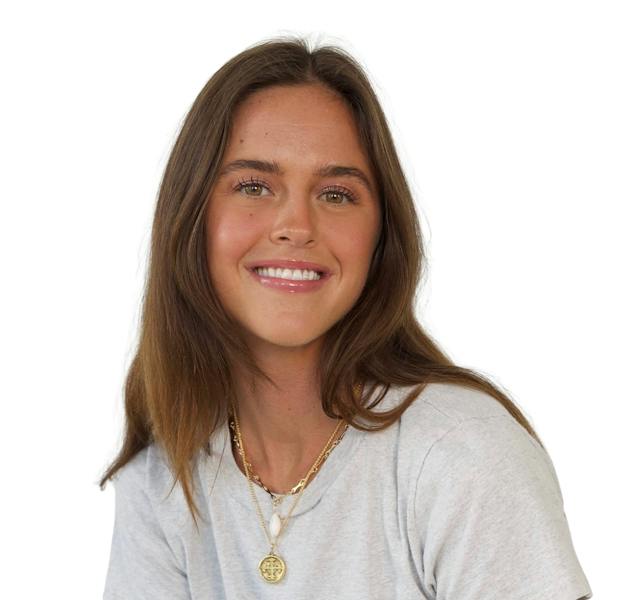
Riley Whelan, an advocate for addiction recovery and a prominent figure on TikTok, recently shared her insights on substance addiction and mental health in an interview with The Daily Cardinal. Whelan serves as the social media manager for Recovery.com, a platform that helps individuals from diverse backgrounds find treatment centers for addiction and mental health recovery. She also manages four podcasts, including “Brain Dump,” where she discusses mental health with various guests.
Read More
In her conversation with The Cardinal, Whelan emphasized the prevalence of alcoholism among young people, particularly on college campuses. University Health Services data indicates that students at UW-Madison consume alcohol at rates surpassing the national average. A 2024 National College Health Assessment revealed that 37% of UW-Madison undergraduates engage in high-risk drinking. Additionally, a 2025 Healthy Minds survey found that those who drink reported lower feelings of loneliness, suggesting that alcohol often facilitates a sense of connection among students.
“I think a lot of young people get confused when it comes to where the line is [with alcohol], but you can draw a line in the sand,” Whelan stated. “And you don't have to cross it ever again if you don't want to.”
Whelan's own journey included dropping out of college and losing employment due to drug and alcohol addiction. After undergoing two rehab stints, she began sharing her experiences on TikTok, where she currently boasts over 267,000 followers, engaging her audience on issues related to alcoholism and sobriety.
Her mission is not to instill a dislike for alcohol but to motivate individuals to seek support and to intervene when noticing others in distress. “If you really care about your friends and you see something, it's your responsibility to say something,” she said. “One person can save someone's life.”
Whelan urged UW-Madison students to utilize the resources the university offers, suggesting that social media could enhance awareness and accessibility of these services. “More colleges can use social media as a power for good, to spread awareness for the resources that they have available for students who might be in a mental health crisis,” she noted.
She acknowledged the existing stigma surrounding addiction and mental health but also noted progress as more public figures discuss their struggles openly. “Someone sharing their story with me changed my life,” Whelan remarked, underscoring the potential impact of sharing personal narratives in fostering support.
Whelan aims for her work at Recovery.com to assist individuals in Wisconsin, especially students, in finding affordable care for addiction. “A lot of people, when they recognize that they have a problem with alcohol, they don't initially want to do anything about it, and that's very normal,” she said. “But they also don't know what their options are if they do eventually want to get help.” Her goal is to illustrate that there are options available for those who wish to get sober.