Dr. Eric Kezirian, a leading expert in the surgical treatment of obstructive sleep apnea (OSA), emphasizes the importance of good sleep, aiming for seven hours a night. OSA is a serious condition characterized by interruptions in breathing during sleep, often resulting from relaxation of throat muscles that block airways. This disorder can lead to various health issues, including high blood pressure, low blood oxygen levels, and excessive daytime fatigue.
Read More
With nearly 30 years of experience focusing on sleep apnea, Dr. Kezirian has recently become one of the first physicians on the West Coast to implant the Genio system, a device approved by the Food and Drug Administration in 2025. He has implanted this device in three adult males. Manufactured by the Belgian med-tech company Nyxoah, the Genio system, which took 20 years to develop, offers a promising alternative to existing treatments.
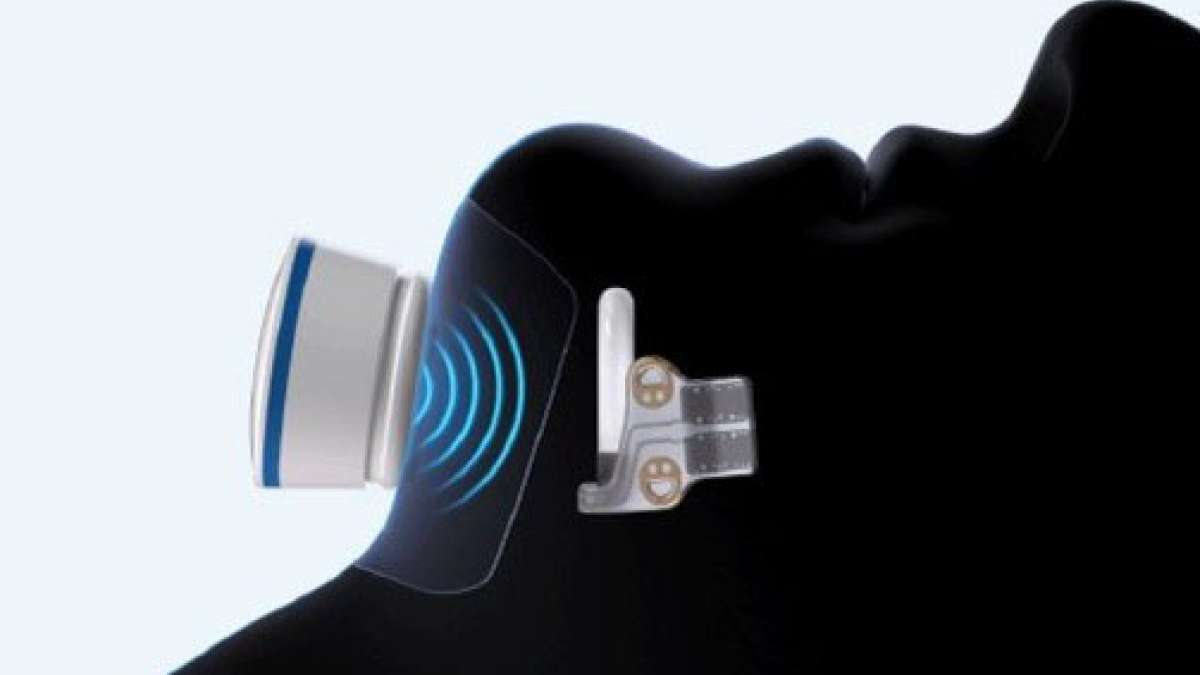
Similar to the Inspire therapy implant available since 2014, the Genio device may provide even better results for certain patients. Dr. Kezirian, who has served as a consultant for Nyxoah, notes that it delivers stimulation to the hypoglossal nerves controlling tongue movement, thereby keeping the airway open, particularly beneficial for patients who sleep on their backs. Unlike the Inspire device, the Genio's battery is external, eliminating the need for surgical replacements every decade.
Dr. Kezirian coauthored a study published in the Journal of Clinical Sleep Medicine, which outlined favorable outcomes from the DREAM (Dual-sided hypoglossal neRvE stimulAtion for the treatment of obstructive sleep apnea) clinical trial. This trial, which ran from October 2020 to February 2024, included 113 participants and demonstrated a median reduction of 70% in breathing events after one year. Additionally, 82% of patients reported experiencing mild or less-severe sleep apnea post-treatment.
To assess suitability for the Genio system, Dr. Kezirian conducts a drug-induced sleep endoscopy evaluation using a flexible fiber-optic telescope to examine the throat. This device appears particularly effective for patients whose OSA is due to tongue base collapse rather than other anatomical causes.
The implantation procedure is outpatient, requiring a 6-cm incision below the chin, and the device itself is positioned about 3 cm inside the body. After a two-month healing period, it can be activated. Patients then use a small, disposable patch and an activation chip to manage their stimulation levels via a smartphone app.
Originally from Los Angeles, Dr. Kezirian developed an interest in sleep apnea during medical school at the University of Pennsylvania. He graduated magna cum laude from Harvard College and received a Master’s degree from Oxford before earning his medical degree. Following his residency at the University of Washington and a sleep surgery fellowship at Stanford, he has contributed significantly to the treatment of sleep apnea.
While CPAP has been the standard treatment since the early 1980s, the introduction of devices like Inspire and Genio, alongside ongoing research into new treatments, allow doctors like Dr. Kezirian to better tailor interventions to individual patient needs, improving their quality of life.