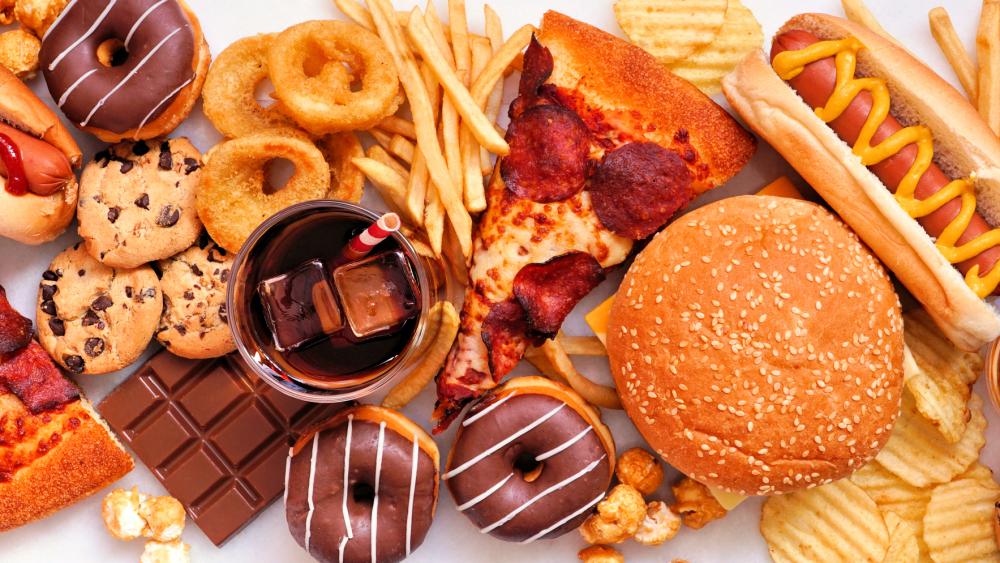
Ultra-processed foods have garnered significant attention due to their association with various health issues. Kristina Petersen, an associate professor of nutritional sciences at Penn State University, explains these foods, how to identify them, and ongoing efforts to regulate their consumption.
Read More
Petersen defines ultra-processed foods as products created with industrial formulations of additives like dyes and preservatives that are not typically found in home cooking. Common examples include candies, cookies, chips, and processed meats, which often have ingredients to enhance flavor and texture. It’s important to distinguish these from minimally processed foods, such as canned vegetables with just salt added or pasteurized milk, which serve safety purposes.
Concerns about ultra-processed foods arise from evidence linking high consumption to increased risks of obesity, heart disease, type 2 diabetes, and certain cancers. Research indicates those who primarily consume these foods often overeat, leading to weight gain.
To identify ultra-processed foods, Petersen advises checking nutrition labels. Foods high in added sugars, saturated fats, and sodium tend to be ultra-processed. Users should be cautious about relying solely on ingredient lists, as complex terms might not always indicate unhealthiness; the nutrition label provides better guidance.
The growing prevalence of ultra-processed food consumption is alarming, with children in the U.S. obtaining over 60% of their daily energy from these products, and adults slightly above 50%. This situation, compounded by rising diet-related chronic diseases and emerging health research, has led to increased scrutiny and calls for regulatory action.
In response, the federal government is working to establish a clear definition of ultra-processed foods amid diverse existing definitions. Some states are also proposing regulations aimed at reducing these foods and their additives in school meals. Anticipating such regulations, certain food companies are modifying products to eliminate additives, aiming for compliance across the most stringent state standards.
As the conversation around nutrition grows, especially with midterm elections approaching, Petersen notes that while direct correlations between voting behavior and concerns about ultra-processed foods are unclear, food costs do influence voter decisions.
To improve dietary habits, Petersen recommends focusing on a diet high in vegetables, fruits, whole grains, legumes, and nuts while minimizing ultra-processed items, often labeled as “junk foods.” Despite the challenges posed by these affordable and convenient foods—making up about 70% of the food market—small, incremental changes can lead to better health outcomes. For those unable to access fresh produce, opting for canned or frozen options remains a viable alternative to ensure fruit and vegetable intake.