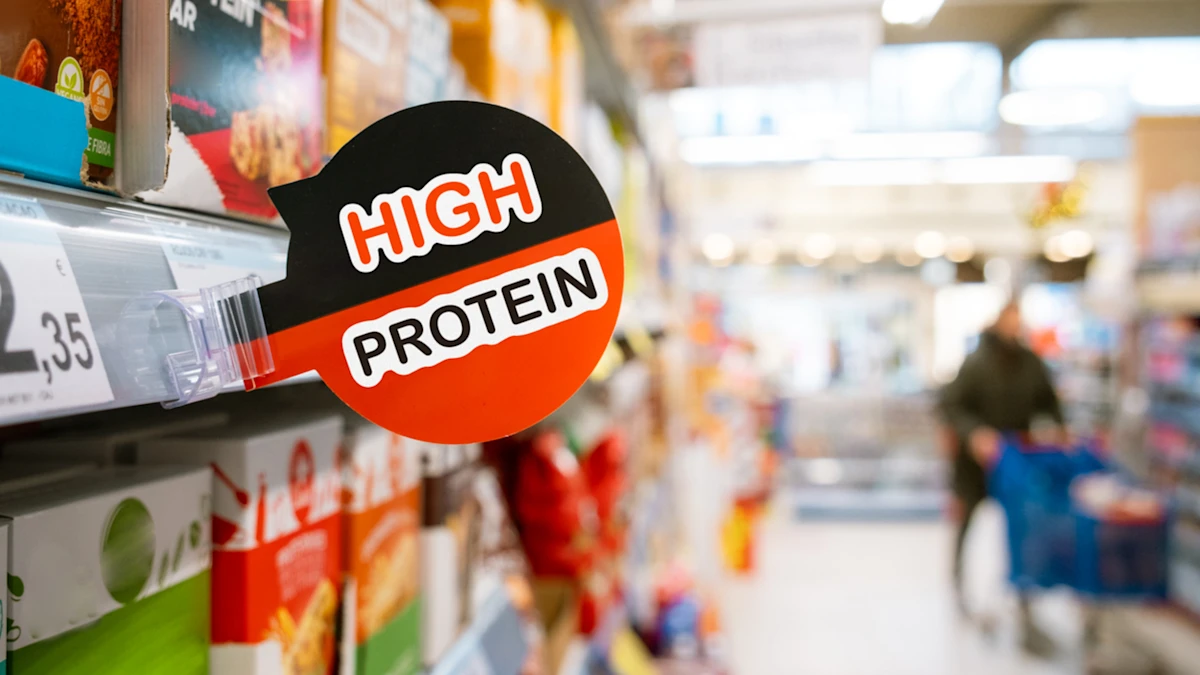
The surge of high-protein products in Australian grocery stores reflects a rapidly growing market driven by consumer demand for added nutrition. From protein-rich cheese to cereals, the phenomenon, sometimes referred to as 'proteinification', has transformed everyday groceries into a multimillion-dollar segment in the food industry.
Read More
A recent 2024 Euromonitor study highlights that protein and energy bars have seen significant growth, now valued at over $300 million in Australia. They represent about one-third of all sports nutrition sales, making them the second-largest category in this sector. Jennifer May, founder of Sydney City Nutritionist and Food Intolerance Australia, described this trend as one of the major marketing movements in food, emphasizing the benefits of protein for muscle maintenance, recovery, satiety, and healthy aging. However, she noted that not all products with added protein are necessarily healthier options.
Despite the rise of these products, national health data indicates that around 98.5 percent of Australians already consume sufficient protein in their diets. The continued demand for high-protein options raises questions about whether these higher-priced items are worth the investment.
Nick Vavitis, founder of CHOCLT, pointed to a successful collaboration with Muscle Nation that produced popular protein treats, emphasizing that customers increasingly seek enjoyable nutritional snacks. This collaboration has reportedly resulted in high six-figure monthly sales across supermarkets and convenience stores. Vavitis advocates for the 80/20 rule, suggesting that while whole foods are the best protein sources, indulgent treats can also have a place in a balanced diet.
However, consumers are being cautioned against what some call the 'protein premium', urging them to ensure that they are not overpaying for marketing rather than nutritional value. Fitness influencer Andrew Fox conducted an experiment, consuming high-protein snacks for 100 hours, only to feel lethargic and bloated without seeing any strength improvements. He suggested that many of these products, like high-protein Pop-Tarts, offer minimal additional protein for a high calorie and sugar price, advising consumers to consider protein powders instead if they are looking to supplement their diets.
Health professionals recommend consulting with a GP for personalized dietary advice.