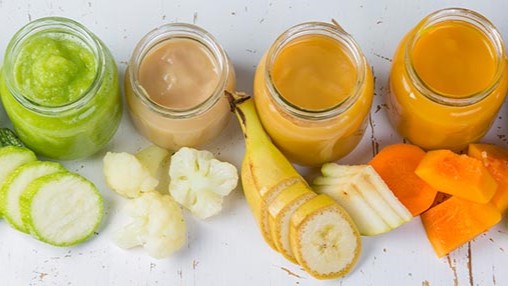
Starting around 6 months of age, infants require a variety of foods and drinks to support their growth and development. Establishing healthy eating patterns early on can promote positive habits in the future.
Read More
When introducing solid foods, it's essential to provide textures that match your child's eating abilities. Initially, foods should be soft, mashed, or in small, bite-sized pieces. Consider resources like Tastes and Textures for additional guidance. For children aged 6 to 12 months, some foods and drinks are particularly beneficial. Check out videos from 1,000 Days for more insights.
Encourage a variety of vegetables, fruits, proteins, unsweetened dairy products, healthy fats, and whole grains, all cut into manageable pieces. Presenting a colorful array of foods can make meals more appealing. Recommended options include:
- Vegetables: cooked spinach, carrots, beans, peas, lentils, sweet potatoes, or beets.
- Fruits: bananas, strawberries, pears, oranges, melons, or avocados.
- Proteins: soft, small portions of beef, lamb, chicken, fish, turkey, eggs, or tofu.
- Dairy without added sugars: pasteurized cheeses or yogurts, including fortified dairy alternatives.
- Whole grains: whole grain breads, crackers, or pastas.
Once your child reaches 12 months, they may start eating more of the same foods you consume. Providing a healthy diet not only nourishes your child but also sets a positive example. Allow them to choose from a variety of healthy options.
For drinks, children between 6 and 12 months can have:
- Breast milk (if breastfeeding) or infant formula.
- Water (4 to 8 ounces per day).
After 12 months, you can introduce pasteurized, plain whole cow's milk without added sugars or fortified, unsweetened dairy alternatives.
Apr. 1, 2026