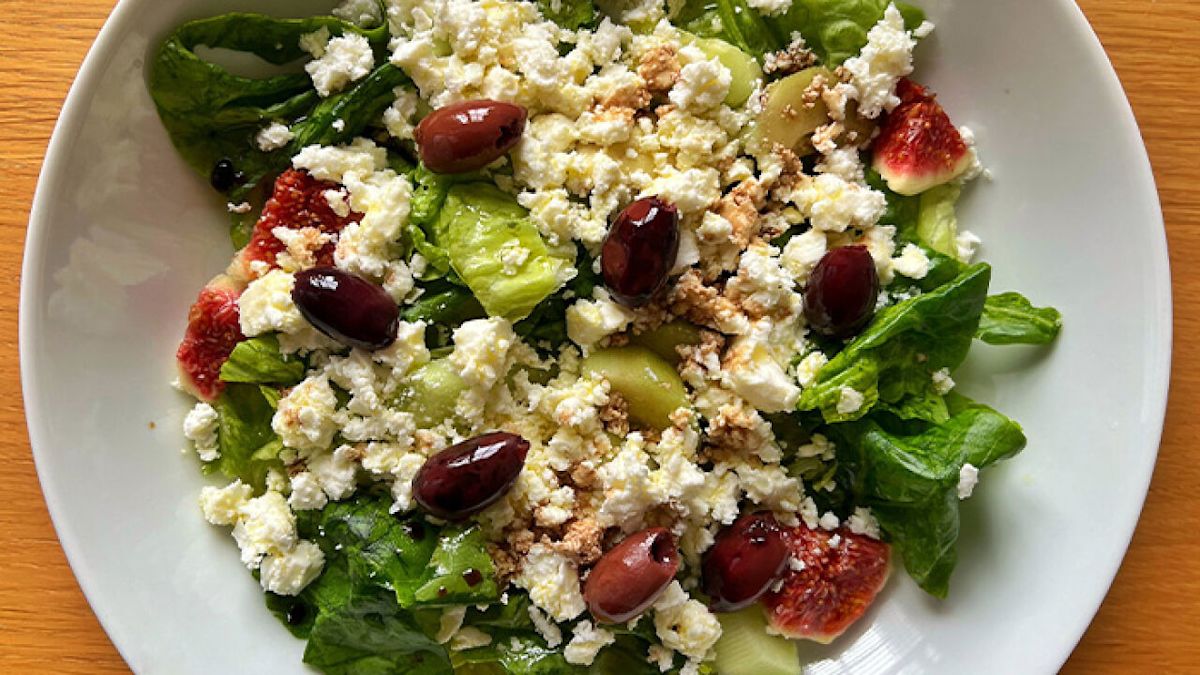
A large-scale study investigating the Mediterranean diet, which emphasizes vegetables, fruits, whole grains, and healthy fats, was halted early due to ethical concerns. The research, conducted in Spain and involving over 7,000 participants, began in the late 2000s and aimed to assess the diet's potential health benefits.
Read More
Participants, aged 55 to 80 and deemed at high risk for cardiovascular issues due to factors like obesity and diabetes, were grouped into three categories. One group followed a Mediterranean diet supplemented with extra-virgin olive oil, another with mixed nuts, and a control group adjusted to eat less fat. Throughout the trial, researchers monitored major cardiovascular events, including strokes and heart attacks.
Results indicated that 96 participants in the olive oil group and 83 in the nut group experienced serious cardiovascular events, whereas 109 in the control group did. Overall, those on the Mediterranean diet had about a 30% lower risk of major cardiovascular complications compared to the control group. This pronounced benefit prompted an ethical debate over continuing the trial, ultimately leading to its early conclusion.
Paleoanthropologist Daniel Lieberman mentioned in a podcast that the Mediterranean diet might be among the most substantiated diets studied.
However, the findings faced scrutiny following a statistical analysis by anesthesiologist John Carlisle in 2017. His examination revealed discrepancies in randomized controlled trials, including the Mediterranean diet study, suggesting that randomization might not have occurred as reported. This prompted the New England Journal of Medicine to investigate.
Upon review, the researchers discovered significant deviations from the initial randomization protocol affecting 1,588 participants, such as placing individuals from the same household in the same group. This led to the study's retraction in 2018 as the original methodology was misrepresented.
Despite the retraction, a revised analysis was published, maintaining that the Mediterranean diet was linked to a lower incidence of major cardiovascular events, though with more cautious language about the findings. Carlisle commended the NEJM for their handling of the situation.