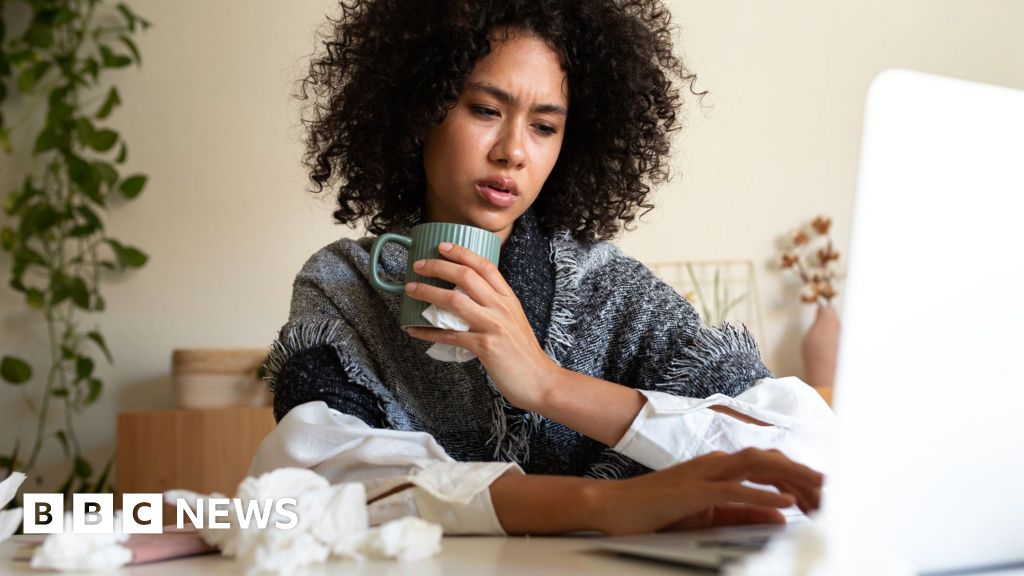
Many employees experience guilt when considering taking a sick day. Research indicates that between a third and half of individuals in the UK choose to work while unwell—a phenomenon known as presenteeism.
Read More
Professor Sir Cary Cooper, a psychologist from the University of Manchester, highlights a generational divide in sickness absence. Workers aged 16 to 24 averaged 2.4 sick days in the past year, significantly fewer than the 6.2 days taken by those aged 50 to 64. He attributes this disparity partly to the nature of jobs that younger individuals hold, often involving less security, such as zero-hours contracts. Younger workers are also less likely to have chronic health issues, which contribute to higher sick leave.
Cooper notes that younger generations tend to have increased expectations regarding employer support for their wellbeing, contrasting with older generations who may tolerate unfavorable conditions. This newer perspective often includes recognizing mental health as a crucial aspect of overall health.
Various factors influence how individuals approach taking time off for illness. Some employees strongly identify with their jobs, a concept known as work centrality, which can lead to reluctance to take sick leave. Dr. Audrey Tang, a psychologist focusing on workplace wellbeing, points out that those in caring professions, like nursing and teaching, often feel compelled to show up, sometimes preferring to endure an injury rather than take a day off.
Additional pressures come from workplace culture. Dr. Tara Quinn-Cirillo emphasizes that if a work environment lacks support for taking sick days, employees may feel guilty about their absence, particularly if workloads are already high and colleagues will struggle in their absence. A "carry-on" culture that encourages working despite illness can lead to presenteeism being rewarded.
In contrast, in healthy workplaces, employees should feel comfortable discussing their health and taking necessary time off without fear of negative repercussions. A toxic culture that punishes absence can create a significant barrier to taking legitimate sick leave.
Determining when someone is too sick to work can sometimes be challenging. Tang suggests clear guidelines for physical illnesses—such as staying home for 48 hours after vomiting or diarrhea and 24 hours after a fever. However, for less clear cases like coughs and colds, especially post-COVID, working from home has become more acceptable. Mental health should be prioritized equally with physical health, as both can hinder work capacity.
Quinn-Cirillo advises that signs of needing a break can include deteriorating ability to care for oneself, difficulty decompressing from work, or compromised sleep quality. If these issues arise, it may signal that taking time off is essential.