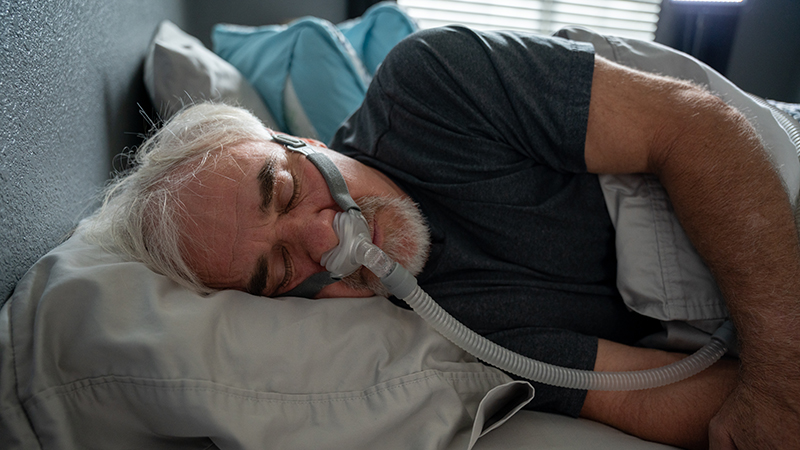
A study published in npj Aging indicates that untreated obstructive sleep apnea (OSA) accelerates cardiovascular aging and raises the risk of premature mortality. This research, led by David Gozal, MD, MBA, PhD (Hon), of the University of Missouri School of Medicine and the Marshall University Joan C. Edwards School of Medicine, utilized a long-term mouse model to mimic the intermittent oxygen drops typical of sleep apnea.
Read More
The investigators explored how prolonged exposure to intermittent hypoxia—reflective of the normal sleep patterns in mice—affects cardiovascular health throughout their lives. Results showed that this condition significantly increased mortality rates compared to normal oxygen conditions. The study also noted accelerated cardiovascular aging, with findings such as elevated blood pressure, impaired heart function, reduced vascular flexibility, diminished coronary flow reserve, and irregular cardiac electrical activity. This suggests that the chronic stress from untreated sleep apnea fundamentally disrupts cardiovascular health, potentially shortening lifespan.
Mohammad Badran, PhD, MSc, the study's lead author and an assistant professor at the University of Missouri School of Medicine, commented, "Our findings demonstrate that the consequences of obstructive sleep apnea extend far beyond poor sleep quality. Prolonged intermittent hypoxia creates a cumulative burden on the cardiovascular system that accelerates biological aging and elevates mortality risk. This underscores how critically important it is to diagnose and treat sleep-disordered breathing as early as possible."
Gozal highlighted the research's importance to human health, stating, "While clinical studies have long shown associations between sleep apnea and cardiovascular disease, our experimental model allows us to observe these effects across the lifespan in the absence of other confounding factors. The results make the message unmistakably clear: untreated sleep apnea is not benign. It is a progressive condition with potentially fatal consequences."
The study emphasizes that early screening and intervention, including continuous positive airway pressure (CPAP) therapy, could significantly improve long-term cardiovascular health, particularly in rural and underserved areas. The full study, titled "Prolonged intermittent hypoxia accelerates cardiovascular aging and mortality: insights from a murine model of OSA," can be accessed at https://doi.org/10.1038/s41514-025-00283-4.