PER1, located on human chromosome 17p13.1, encodes a nuclear protein critical for maintaining circadian rhythms as part of the circadian clock system. Together with genes like CLOCK, BMAL1, and CRY, PER1 functions within a transcriptional feedback loop to regulate the timing of physiological activities. This configuration ensures the circadian clock operates in a stable manner, as PER proteins inhibit the transcriptional activity of the CLOCK-BMAL1 heterodimer when their cytoplasmic concentrations reach a threshold.
Read More
The expression of PER1 varies with age and gender and follows a circadian pattern, peaking in human peripheral blood around 9 AM. It's distributed widely across tissues, influencing local functions related to metabolism, blood pressure, and tumor cell behavior. Studies indicate that low levels of PER1 in tumors may promote cell proliferation and invasion, linking it to various diseases.
PER1's stability and degradation are influenced by proteins such as casein kinase 1 (CK1) and fragile X mental retardation protein (FMRP), which modulate its expression in response to environmental factors like light and nutrition. Furthermore, PER1 is regulated by hormones, affecting processes such as glucose and lipid metabolism.
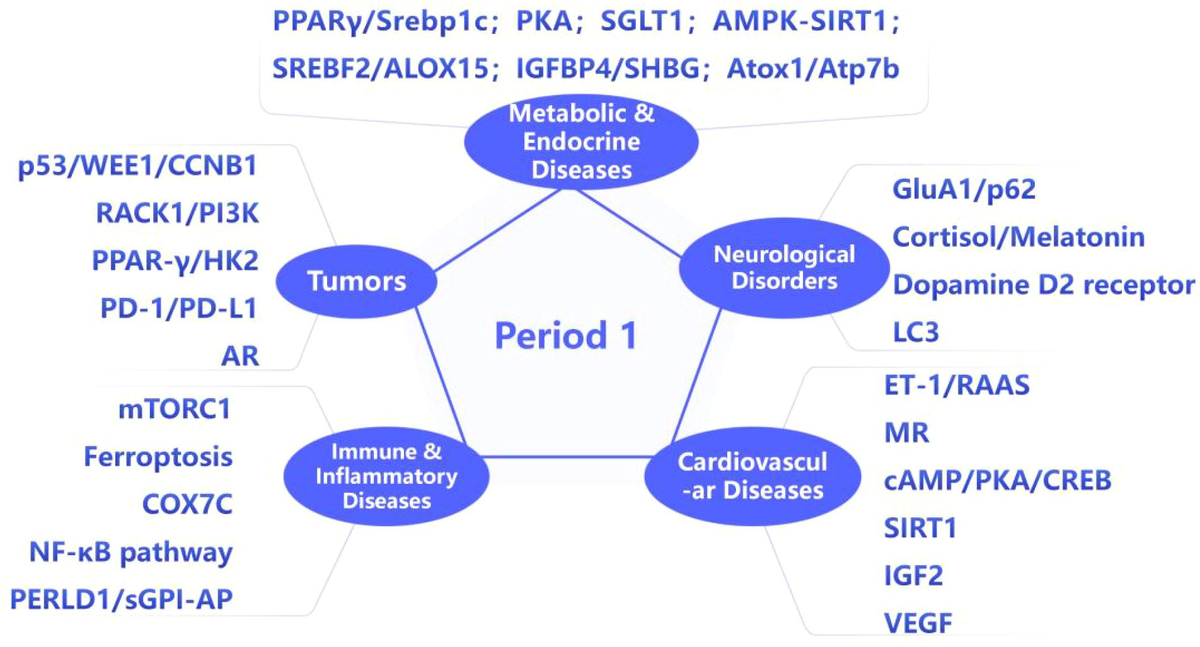
In cardiovascular health, PER1 is recognized for its role in regulating blood pressure and renal function, indicating that its dysregulation can lead to diseases. For instance, studies show that in animal models, PER1 knockout results in increased blood pressure and kidney damage, particularly in a sex-dependent manner. PER1 also participates in anti-inflammatory responses in ischemic conditions.
Neurologically, PER1 influences ischemic brain injury and sleep regulation. It is involved in autophagy mechanisms and may be crucial in neurodegenerative diseases, as variations in its gene correlate with disorders like Parkinson’s Disease. PER1's involvement in endocrine and metabolic health primarily relates to how it regulates glucose and lipid homeostasis, with its expression significantly correlated with obesity and insulin resistance.
In immune function, PER1 affects the activity of immune cells and inflammatory signaling pathways. Clinical evidence links its dysregulation to conditions like inflammatory bowel disease and autoimmune diseases.
Finally, regarding cancer, low expression levels of PER1 are associated with poor prognoses in various types of cancer, including breast and lung cancers. Mechanistically, PER1 influences cell proliferation, apoptosis, and the immune microenvironment, highlighting its role in tumor suppression and overall cancer pathophysiology.