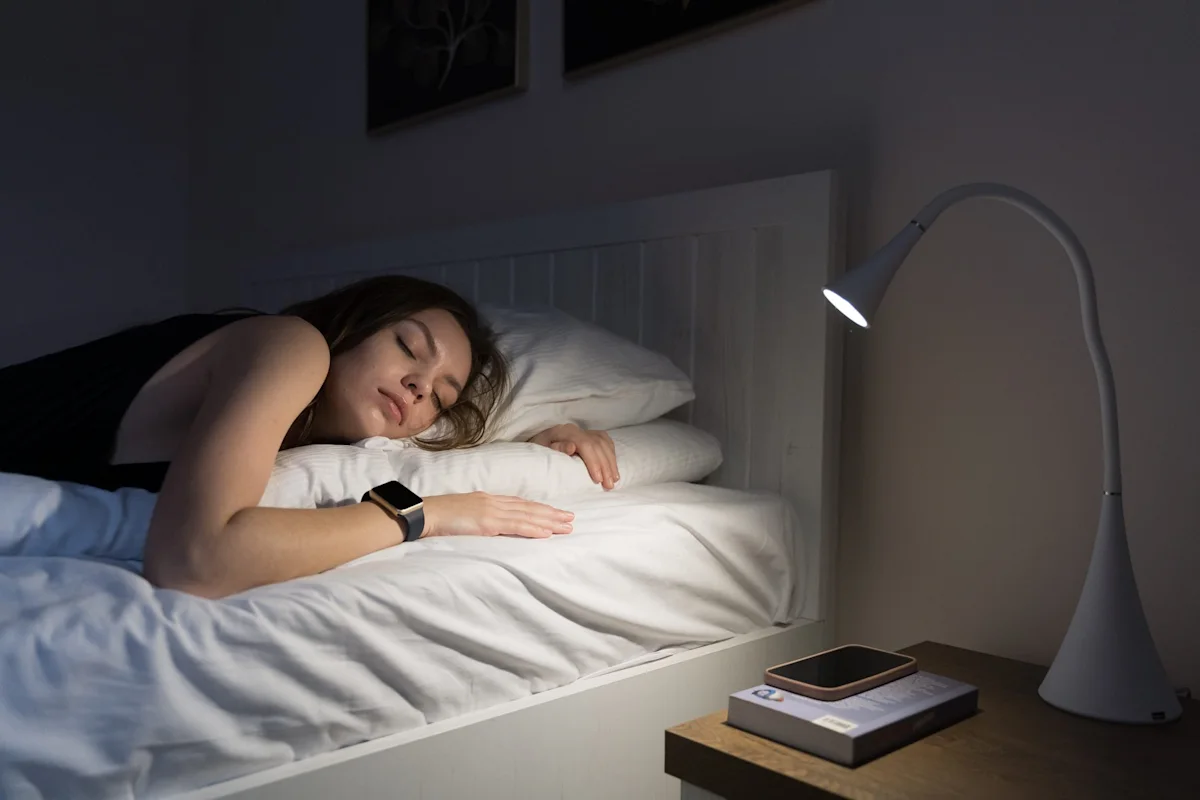
New research published in the European Heart Journal suggests that exposure to light during nighttime, even at low levels, can adversely affect heart health. The study, conducted by epidemiology researchers at Tulane University, examined data from 11,071 participants in the UK Biobank between 2013 and 2015.
Read More
Participants wore wrist sensors for seven consecutive days to measure their light exposure during nighttime. While some maintained near-total darkness, others experienced varying levels of light. Those in the highest exposure group were subjected to light levels above 3 lux, similar to a dim phone screen or hallway light filtering through a door.
Three years later, researchers performed cardiovascular magnetic resonance scans on these participants to assess potential heart changes. Results indicated that those with the highest nighttime light exposure had thicker walls in the left ventricle, which could impair its function as the heart's primary pumping chamber. Researchers noted that this thickening might limit the chamber's space and flexibility during a heartbeat.
In a broader analysis involving over 73,000 additional participants, the study found that high nighttime light exposure was associated with a 24% higher risk of heart attack, a 33% increased risk of stroke, a 29% higher chance of heart failure, a 15% greater risk of atrial fibrillation (AFib), and a 26% increased likelihood of cardiovascular death over an eight to ten-year follow-up period.
The authors propose that one explanation for these findings could be shorter sleep duration, which was correlated with nighttime light exposure and may impact heart health. They also suggest that exposure could disrupt melatonin secretion and circadian rhythms, contributing to what they refer to as "cardiac remodeling."
While the study establishes a correlation rather than direct causation, it raises important considerations regarding light exposure during the night. Lead author Dr. Lu Qi emphasized that light pollution may be a new risk factor for cardiovascular disease and called for reducing nighttime light exposure as a potential prevention strategy. To promote better heart health, individuals are advised to keep their bedrooms darker and cooler.