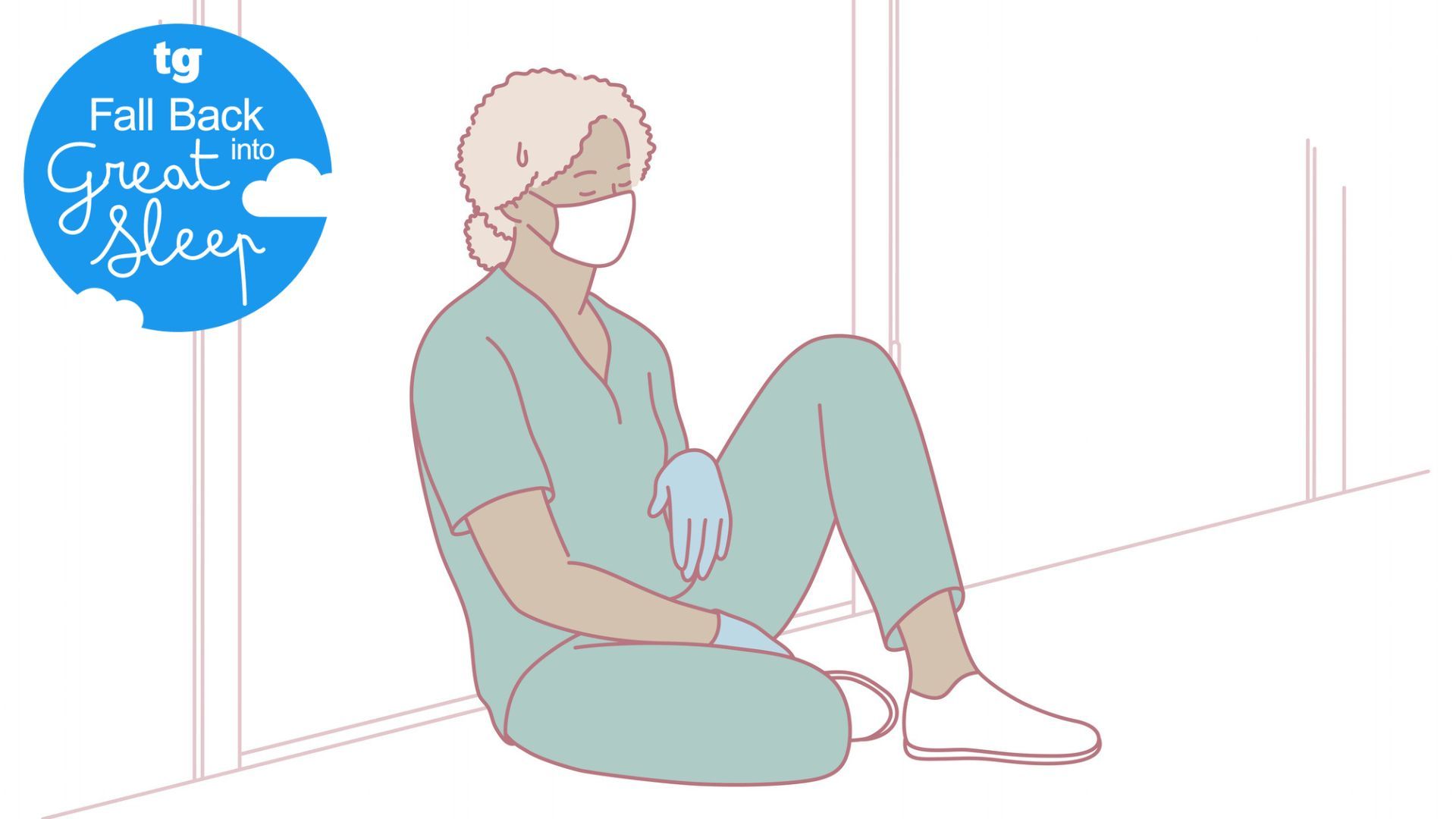
Shift work, which began during the industrial revolution to maintain factory operations, has evolved to meet the demands of a 24/7 society, now integral to various industries, including healthcare and retail. However, experts warn about its disruptive effects on sleep patterns and overall health.
Read More
As the Sleep Features Editor for Tom’s Guide, I have learned from numerous health professionals that maintaining a consistent sleep schedule is vital. With the approach of winter, when night shifts become particularly challenging, I spoke with medical professionals, lawyers, and shift workers to understand the impact of disrupted sleep on physical and mental well-being.
Kiara DeWitt, a Pediatric Neurology Registered Nurse at Cook Children's Medical Center, highlighted the demand of working shifts, stating, "The hardest shift to cover was 7pm-7am three to four nights a week. The first three hours I feel great, and then usually between three and four in the morning everything becomes ten times slower.” She reported feeling significantly older by the end of her shift.
Dr. Leah Kaylor, a sleep psychologist, explained that irregular sleep patterns can disrupt the body’s internal clock, leading to fatigue and slowed reactions. DeWitt noted that transitioning to sleep post-shift is often a struggle due to dysregulated circadian rhythms that affect hormone production, which complicates falling asleep.
Quality sleep is crucial for well-being, as different sleep stages contribute to memory consolidation, emotional processing, and physical restoration. DeWitt remarked that after her long shifts, her short-term memory felt compromised, attributing this to sleep debt rather than incompetence.
Research indicates that shift workers face heightened risks for a range of health issues, including accidents, depression, heart disease, and even certain cancers, with the World Health Organization classifying shift work as a class 2A carcinogen.
The conversation around sleep inequality is also critical, with night shift workers, particularly women, often earning less and facing greater sleep challenges. A UK government study revealed that a significant percentage of night-time employees belong to low-income brackets.
Robert Bird, a professor specializing in business law and ethics, pointed out the increasing need for shift work in a 24-hour economy. He suggested that consistent night shifts could be more manageable than rotating shifts, which can further disrupt circadian rhythms.
To improve sleep quality, Dr. Winters recommends creating a dark and quiet environment for daytime sleep, using blackout blinds and earplugs. Comfort in bedding and sleeping arrangements is also essential to enhance restfulness.
This growing understanding of the challenges and health effects associated with shift work highlights the need for systemic change in workplace scheduling and employee health support.