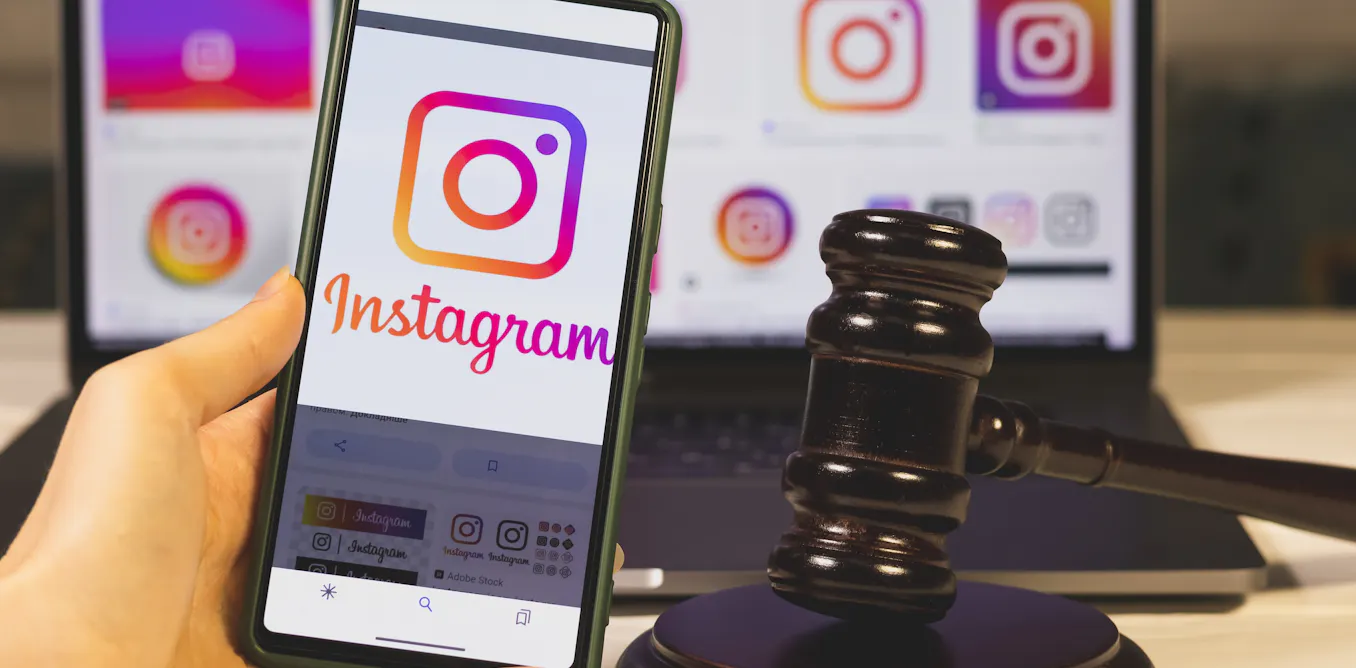
A recent landmark ruling against Meta followed a lawsuit filed in 2023 by nearly fifty attorneys general, school districts, and families, claiming that the company’s platforms, including Instagram and Facebook, present significant risks to mental health. The case culminated in a settlement of $18 billion and mandated structural changes to the operation of Instagram and Facebook.
Read More
One of the significant new measures limits social media use for under-18s to two hours per day, accompanied by reminders to encourage breaks. While research generally supports the idea of limiting time on these platforms, there is no universally accepted two-hour threshold nor scientifically backed intervals for reminders. Studies suggest that reducing usage can enhance certain aspects of well-being, particularly sleep quality, but outcomes vary based on individual usage patterns.
Additionally, automatic restrictions will be enforced during nighttime, referencing evidence that links insomnia to mental health issues. However, simpler home measures, like banning mobile phones in bedrooms, could achieve similar results.
Push notifications will also be disabled during school hours to curb distractions. While this may reduce immediate social media engagement, it does not address the anxiety linked to FOMO (Fear of Missing Out), which persists regardless of notification settings.
In another significant change, cosmetic filters will be removed to prevent teenagers from comparing themselves to edited images, which can negatively affect self-esteem and body image. Nonetheless, if these filters remain available on adult accounts, teenagers may still encounter them.
The removal of the