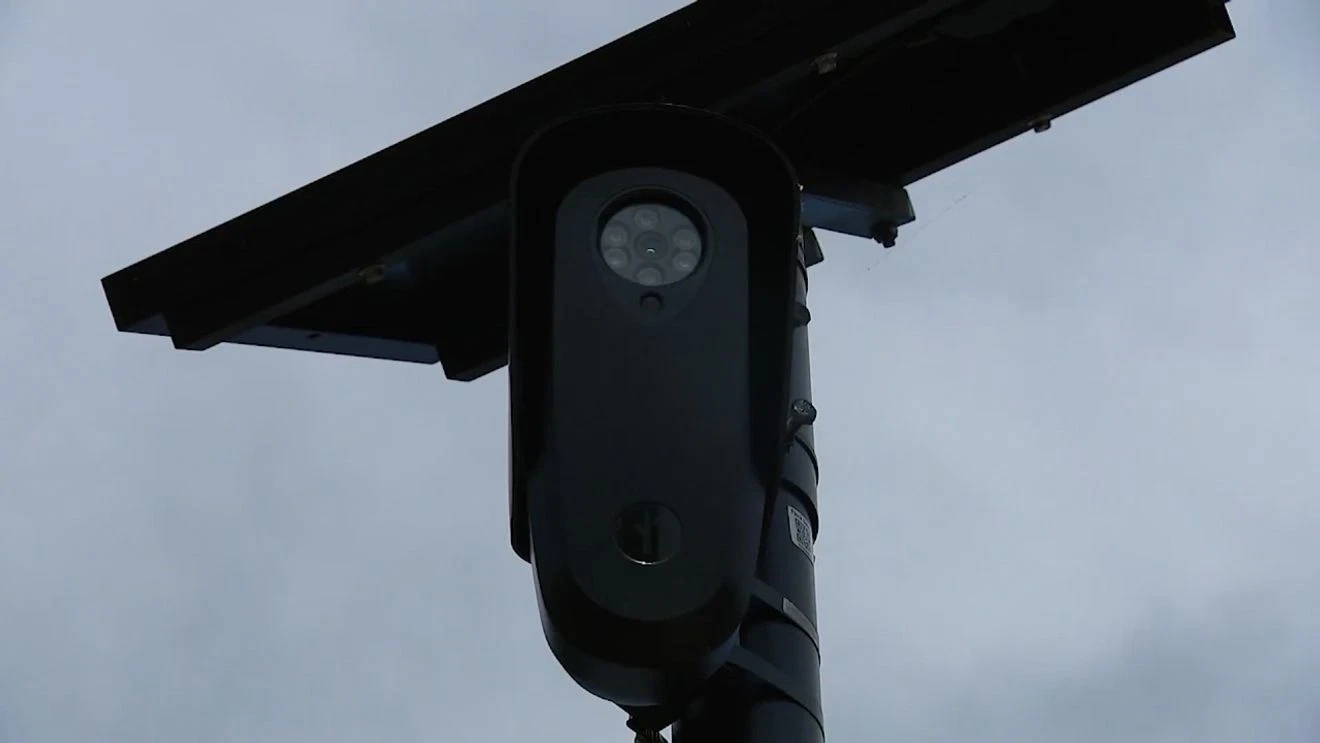
AUSTIN, Texas — As discussions around enhancing public safety continue in Austin, a local digital rights organization is advocating for a focus on increasing mental health services and job opportunities, rather than reinstating automated license plate reader cameras.
Read More
Support for such technology comes from groups like the Austin Police Association, which argues it can assist in crime resolution. This follows the city's cancellation of its contract with Flock over a year ago. Michael Bullock, president of the Austin Police Association, highlighted the need to differentiate between the technology itself and the specific companies that provide it. He stated that the debate should focus on how the technology can be applied appropriately.
License plate readers have been cited for their effectiveness in investigations, such as a recent case where they were instrumental in locating a stolen vehicle with an infant inside in Kyle. However, opponents contend that these systems promote pervasive surveillance and raise issues concerning data access and storage. EFF Austin, a local nonprofit focused on technology's societal impacts, has expressed strong opposition to automated license plate readers and similar surveillance systems.
Mackenzie Rhine from EFF Austin emphasized the public's desire to move freely without being monitored. Rhine noted enthusiasm over recent Flock contract cancellations in cities surrounding Austin, framing it as a part of a broad bipartisan coalition against surveillance.
Concerns have also been raised about data access, with instances like Pflugerville discovering that 459 outside agencies could reach its data, exceeding the 80 that were authorized. Rhine warned that even if one vendor is dismissed, another could offer a comparable or more invasive solution.
EFF Austin is advocating for other alternatives to reduce crime, proposing investments in mental health services, job creation, prison education, summer jobs for youth, improved street lighting, and expanding Austin's 911 mental health services. The Austin Police Oversight Commission is set to meet on Friday to discuss various issues, with Rhine noting that a key consideration will be what other options are being explored to enhance safety without resorting to taxpayer-funded surveillance.