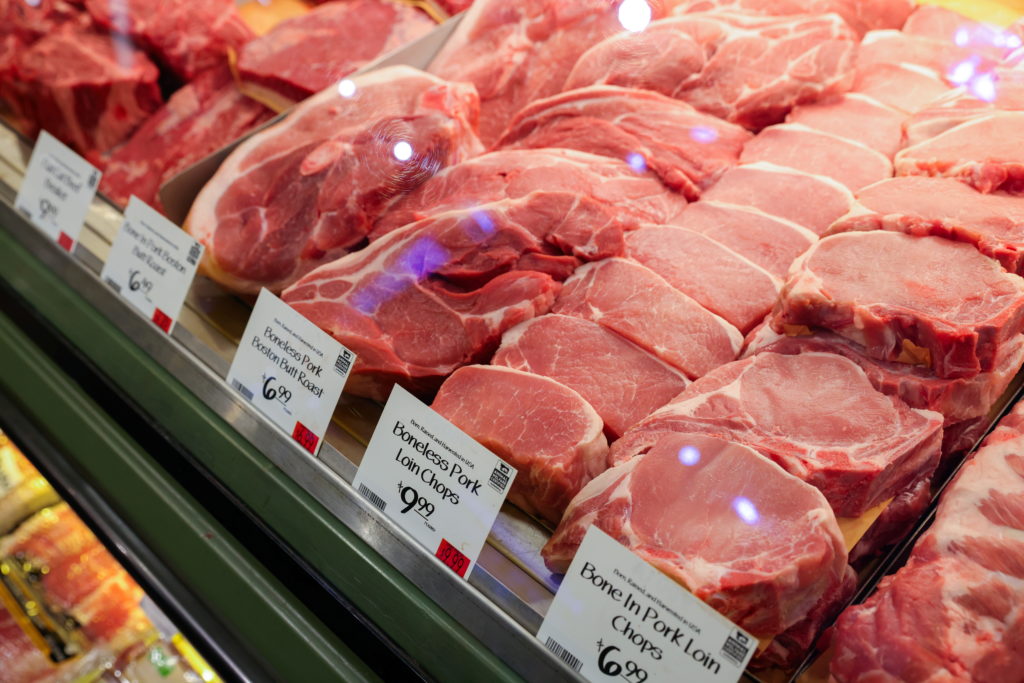
U.S. health officials have recently updated dietary guidelines, recommending that Americans "prioritize protein foods at every meal" and potentially double their daily intake. Health Secretary Robert F. Kennedy Jr. announced this shift on social media, stating, "We are ending the war on protein."
Read More
The new guidelines emphasize red meat, whole milk, and other animal-based proteins while diminishing the role of plant-based options. However, numerous nutrition experts have raised concerns, noting that many Americans already consume more protein than necessary, and there is insufficient evidence to support an increase in protein intake. Excessive protein consumption, they argue, could lead to increased fat gain and a higher risk of diabetes.
Dr. Dariush Mozaffarian from Tufts University indicated that while additional protein can benefit those engaged in strength training, most individuals meet their protein needs with current consumption levels. Concerns have also been voiced regarding the potential for companies to market more protein-enriched foods — from bars to beverages — at a time when healthy eating guidelines stress consuming whole foods. Christopher Gardner of Stanford University remarked that this confusion could mislead the public.
Protein is essential for various body functions, including muscle and tissue repair. Historically, U.S. dietary guidelines recommended 0.8 grams of protein per kilogram of body weight daily, which equates to about 54 grams for a 150-pound individual. The new advice suggests an intake of 1.2 to 1.6 grams per kilogram, advocating for at least 100 grams of protein each day, with a majority from animal sources.
The change in guidelines arose from a scientific review indicating the previous recommendations were primarily aimed at preventing nutrient deficiency but did not reflect optimal levels for muscle mass or metabolic health. The new recommendations are based on findings from 30 studies that investigated the effects of higher protein diets on weight management and overall health.
Despite the updates, experts caution that studies focusing on weight reduction should not solely inform general dietary advice. Mozaffarian, in the Journal of the American Medical Association, noted that there is limited evidence supporting the health benefits of higher protein intake outside of specific conditions such as muscle building. Excess protein has the potential to convert to fat in the liver, posing risks related to abdominal fat accumulation and diabetes.
While the new guidelines aim to promote consumption of more whole foods and less processed items, challenges persist. The prevalence of processed foods, often marketed with added protein, may lead to an increase in unhealthy food choices, according to Gardner.