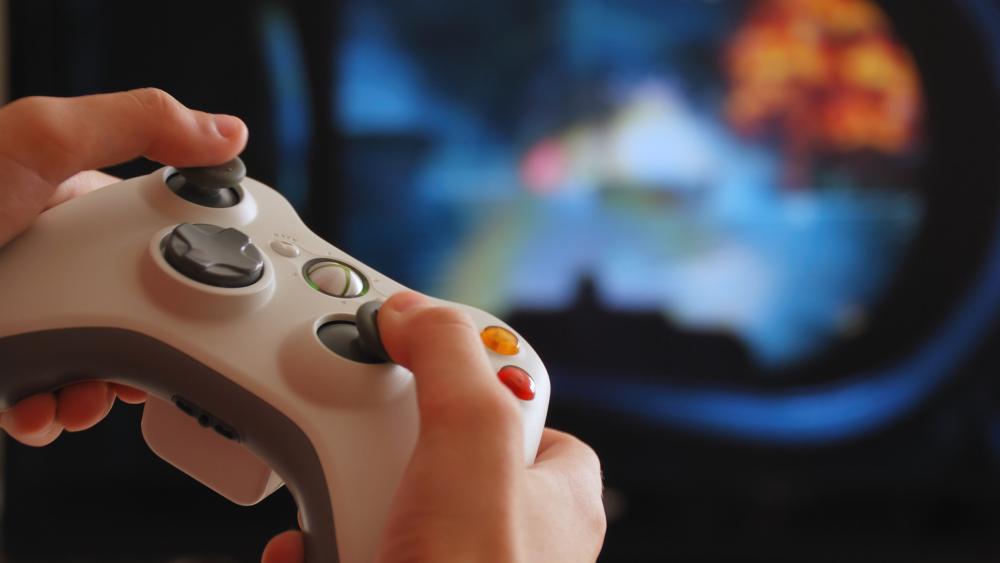
Research indicates that interactive screen activities, like texting and gaming, significantly delay and reduce sleep duration more than passive screen activities such as watching television, particularly among adolescents. The study, published in the Journal of Adolescent Health on December 13, highlights that 15-year-olds engaged in interactive screen time before bed take, on average, 30 minutes longer to fall asleep compared to when they avoid such activities.
Read More
Additionally, for each hour spent playing video games beyond their typical usage during the day, teens delay their sleep onset by approximately 10 minutes. David Reichenberger, the lead author and postdoctoral scholar at Penn State, emphasized that even a small amount of lost sleep can be detrimental for children, particularly those who need to wake early for school. Loss of sleep can increase the risk of obesity and affect cognitive and emotional health.
The study involved 475 adolescents who completed daily surveys about their screen time, including time spent texting, gaming, and watching television. Researchers also used accelerometers to accurately measure sleep duration over a week. On average, the teens reported communicating with friends for two hours daily and playing video games for about 1.3 hours. The data showed those who engaged in interactive activities in the hour before bedtime delayed their sleep the most.
In comparison, passive screen activities did not show a significant impact on sleep duration, which may be due to their less stimulating nature, according to Anne-Marie Chang, an associate professor and co-author of the study. She advises parents to consider limiting interactive screen time, particularly in the hour leading up to bedtime, to better support their teens' sleep health.
The research received support from the National Institutes of Health and the National Aeronautics and Space Administration.