A Perspective article published in *Frontiers in Public Health* on May 22, 2025, examines the health risks associated with night shift work, identifying critical areas for further research. While night shift work has been linked to chronic diseases such as metabolic syndrome and cancer, previous epidemiological studies often present inconsistent findings. This inconsistency highlights the need for a more comprehensive understanding of the underlying mechanisms involved.
Read More
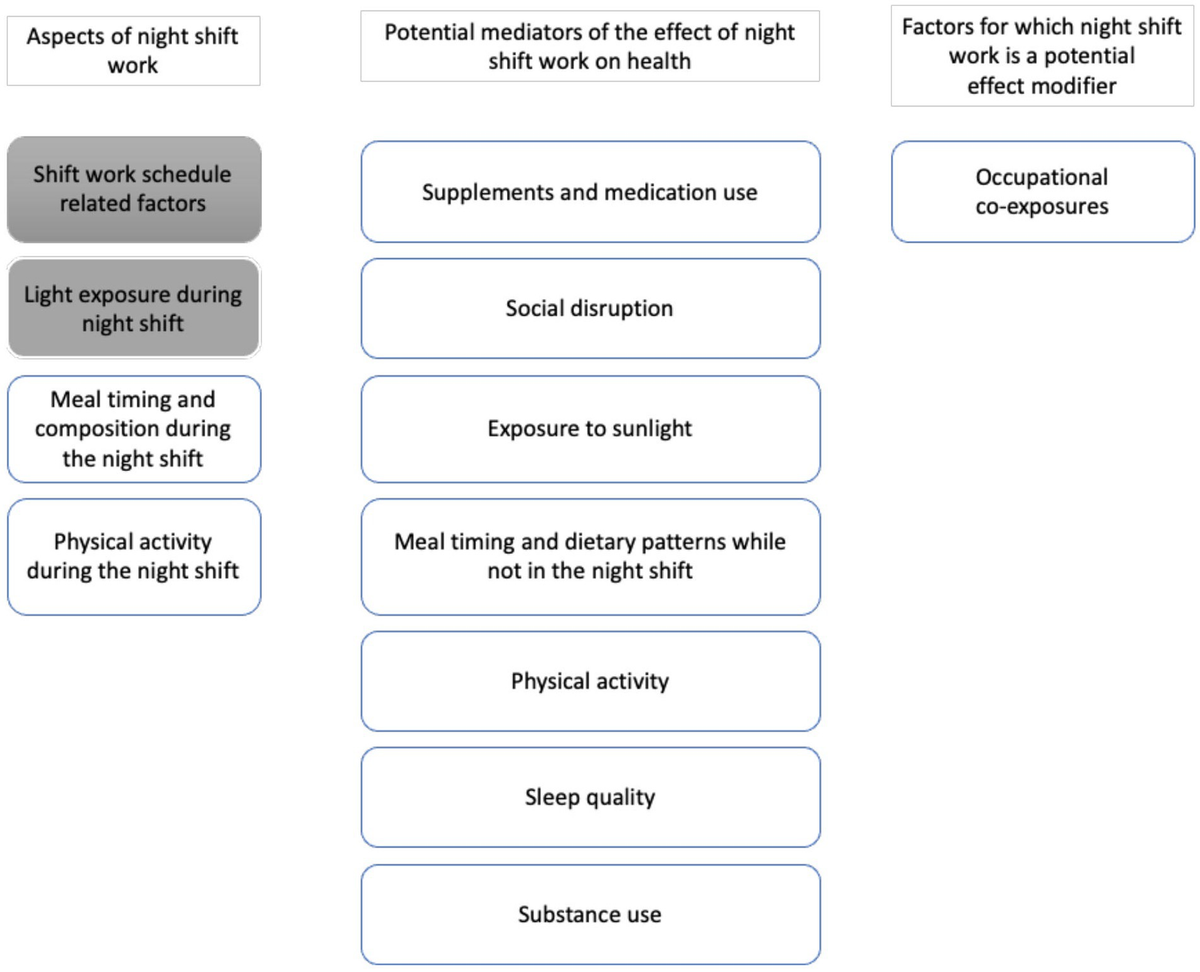
The article suggests ten key aspects of night shift work that warrant closer evaluation. These include exposure-related factors like meal timing and composition during night shifts, as well as physical activity levels. Potential mediators such as supplements and medication use, social disruptions, sunlight exposure, dietary patterns outside of shifts, overall sleep quality, and substance use are also important. Additionally, the article points to occupational co-exposures, which could influence health outcomes for night shift workers.
Recent technological advancements, including mobile apps, wearable sensors, and biomarker analysis, offer new opportunities for real-time and multidimensional assessments in field studies. By integrating these tools into research, scholars can obtain valuable insights into the connections between night shift work and health effects, fostering the formulation of new hypotheses and improving the design of future studies.
The authors stress that understanding the implications of night shift work requires thorough exposure assessments that go beyond conventional methods, such as questionnaires. They advocate for using mixed methods, including objective measurements, to better capture the complexity of factors associated with night shift work and its health impact.
To enhance data quality, the article proposes a novel framework that highlights core components of shift work and potential modifiers. Specifically, the research teams emphasize the need for systematic evaluations of factors like light exposure, meal timing, and physical activity during night shifts. The implications of dietary habits and social interactions are also underscored as significant to overall health outcomes.
The article concludes by recommending that field studies focus on detailed exposure assessments to improve our understanding of how night shift work affects health. By doing so, researchers can identify potential intervention strategies to mitigate health risks for night shift workers and inform related workplace policies. The findings have broader relevance beyond night shift work, potentially applicable to various forms of irregular or precarious employment.