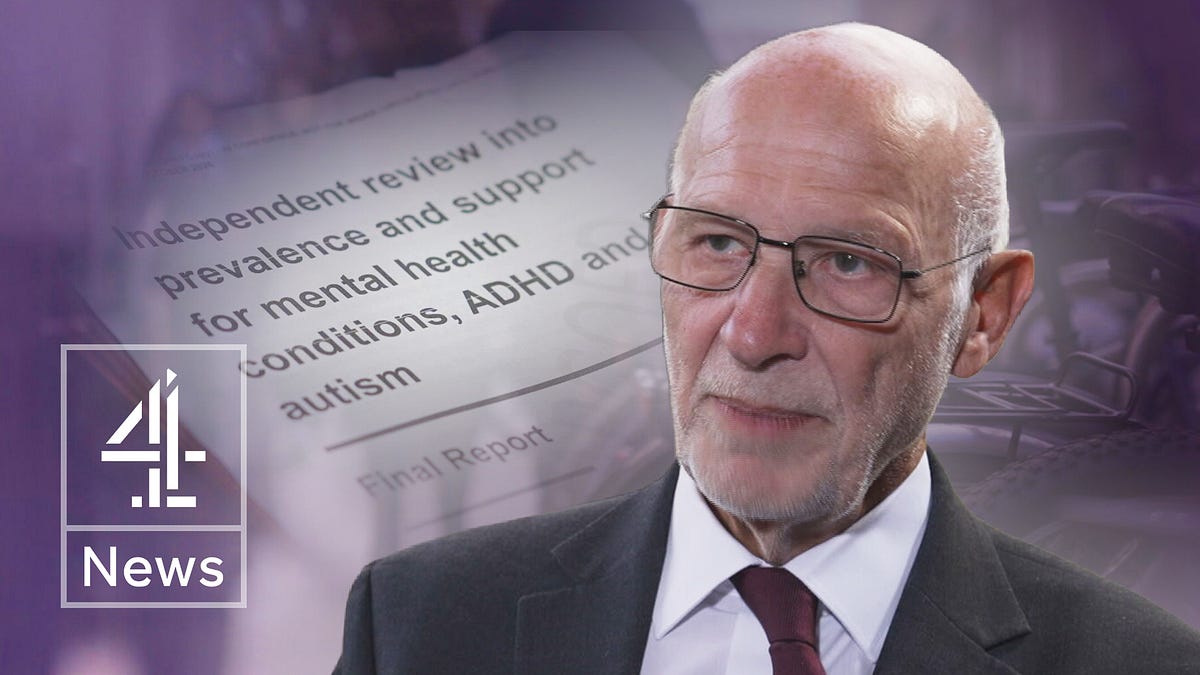
Professor Peter Fonagy has raised alarms over the state of youth mental health in the UK, highlighting that the number of young individuals experiencing common mental disorders like depression and anxiety has increased by 50% since 1993. In his recent report, he notes that 20% of young people are now in severe distress and warns that the 2 million young people in England who have self-harmed could rise to 2.5 million by 2030.
Read More
This report follows comments made last year by former Health Secretary Wes Streeting, who suggested that there might be an “overdiagnosis” of mental health conditions. After facing backlash for appearing to question the legitimacy of mental health struggles among youth, Streeting apologized, further complicating the narrative around what some call a 'snowflake generation.' Fonagy countered these claims, stating there has indeed been a significant increase in mental health issues, particularly among young women.
Laura, a 25-year-old PhD student, shared her personal journey, explaining how her undiagnosed eating disorder led to anxiety and OCD, exacerbated by long waiting times for treatment. She recalled being offered to leave the waiting list during her most challenging times, emphasizing the need for timely mental health support. She criticized labels like 'snowflakes,' as they undermine the genuine struggles faced by young people today.
Fonagy's report identifies a growing sense of hopelessness among Generation Z, who feel they are likely to have a worse quality of life compared to their parents. He challenges the notion that younger generations are 'softer' than previous ones, arguing that they face significant pressures relating to success and employment uncertainty that impact their mental health.
The report also examines the rising waiting lists for ADHD and autism diagnoses, revealing that as of December, around 650,000 people were waiting for an ADHD diagnosis while over 250,000 awaited an autism assessment. Fonagy indicated that increased awareness of these conditions may be leading to more presentations, although the underlying prevalence has remained stable.
The NHS is currently facing criticism for long waiting times, which are pushing individuals towards potentially less reliable independent providers for diagnosis and treatment. In response, the government has announced that the Care Quality Commission will enhance its oversight of these providers, addressing concerns raised in Fonagy's report.
Henry Shelford, CEO of ADHD UK, echoed the importance of timely and compassionate mental health support, reflecting on his own late diagnosis. He warned that dismissive attitudes towards mental health can have serious consequences for those seeking help.
Resources for individuals affected by these issues can be found at Channel4.com/support.