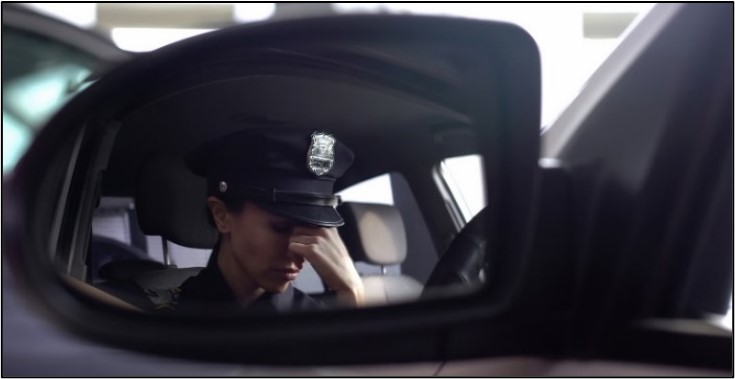
Research has examined the relationship between shiftwork and various health issues among police officers, highlighting the potential risks associated with non-traditional work hours.
Read More
Conducted by Taylor M. Shockey, PhD, MPH; Luenda E. Charles, PhD, MPH; Michael E. Andrew, PhD; John M. Violanti, PhD; and Amy E. Mobley, MEn, the Buffalo Cardio-Metabolic Occupational Police Stress (BCOPS) study began in 2004 as a partnership between NIOSH and the University at Buffalo, with support from the Buffalo Police Department.
Shiftwork, which involves working outside of standard daytime hours, is prevalent in law enforcement. This study identifies a range of health risks associated with shiftwork, including:
- Heart disease
- Cancer
- Depression
- Reduced immune function
- Increased risk of injuries
- Sleep disturbances
Findings from the BCOPS study reveal significant health concerns for police officers:
1. **Sleep Quality:** Officers working night shifts reported 70% poorer sleep quality compared to those on day shifts, affecting their ability to perform effectively in high-pressure situations.
2. **Injury Rates:** Officers on night shifts had double the rate of long-term injury leave compared to those on day shifts, suggesting a heightened risk of injuries.
3. **Mental Health:** Work-related stress and reported depressive symptoms were significantly higher among night and afternoon shift officers, indicating the mental toll of non-traditional hours.
4. **Immune System Impacts:** Long-term night shift officers exhibited increased white blood cell counts, hinting at a possible negative impact on immune function.
5. **Cardiovascular Risks:** Biological markers suggested that night shift officers had heightened inflammation levels, which may raise their risk of cardiovascular disease compared to day shift officers.
To mitigate the effects of shiftwork, officers are encouraged to:
- Maintain a regular exercise routine and a healthy diet to manage stress and improve sleep quality.
- Create a conducive sleep environment by minimizing disruptions and adhering to a consistent sleep schedule.
- Consult with healthcare providers about the health impacts of shiftwork and adhere to medical advice.
Future research aims to explore additional stressors faced by officers, particularly in light of the COVID-19 pandemic, and to identify effective strategies for managing the challenges of shiftwork. Engagement from officers and stakeholders in law enforcement is crucial for advancing this research.
This study was supported by grant [R01OH011717] from NIOSH, which focuses on improving the health and safety of workers through extensive research and training initiatives.