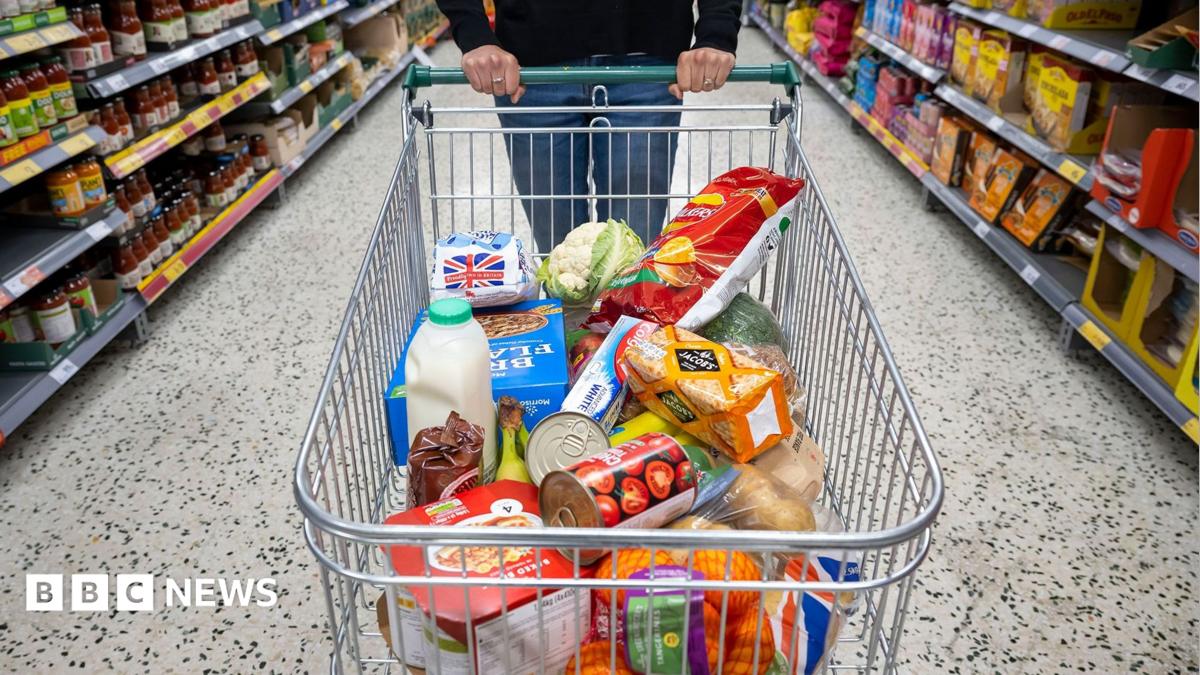
Navigating the supermarket can be daunting, especially with increasing concerns about ultra-processed foods (UPFs) and their potential health risks. Research has linked UPFs to various health issues, including obesity, cardiovascular disease, and metabolic disorders.
Read More
An ultra-processed food is typically defined as having more than five ingredients, including substances not commonly found in a home kitchen, such as preservatives and flavorings. In the UK, it is estimated that over half of the calories consumed come from ultra-processed foods.
I consulted Maeve Hanan, a member of the British Dietetic Association, to review my grocery list. She noted that some items I purchased, like bran flakes, qualify as ultra-processed but can still provide health benefits. Hanan highlighted the need to move beyond a simplistic good versus bad narrative regarding food. She explained, "There's a growing hysteria about UPFs. This food is good. This food is bad. It just fuels fear—and fear around food is never good."
While discussing items such as chicken nuggets, Hanan emphasized that even products with complex ingredient lists can be nutritionally sound. For example, she pointed out that necessary vitamins and minerals are often added to processed foods in the UK. Although she acknowledged that nuggets are higher in fat and salt than plain chicken, she advised moderation as part of a balanced diet.
Megan Bamford shared her experience of eliminating UPFs from her diet to manage chronic health issues. However, as a mother, she often resorts to convenience foods for her picky-eating child, Ella. Bamford keeps a mix of fresh produce and processed snacks in her pantry, focusing on options with fewer ingredients when possible.
Experts believe that the impact of processing on health is not fully understood. Prof. David Julian McClements argues that concentrating solely on the processing aspect may mislead people about the actual issues with these foods. Instead, he suggests that improving the healthiness of processed foods should be a priority.
In contrast, Prof. Jean Adams from the University of Cambridge emphasizes the need for societal change rather than solely focusing on processing. Adams, part of the government's Scientific Advisory Committee on Nutrition, asserts that current food practices contribute to chronic health issues while benefiting the shareholders of food companies.
The Food and Drink Federation states that its members have made significant efforts to create healthier products, reducing sugar, salt, and calories by nearly 20% in recent years, adhering to government regulations.
Reflecting on this information, I no longer feel the anxiety associated with feeding my child ultra-processed foods. As he enjoys a meal of chicken nuggets, carrots, and pasta, I remind myself that balance and variety are key to a healthy diet.