A recent study published in *Frontiers in Medicine* explores the relationship between adherence to the Mediterranean diet (MD) and the severity of symptoms in patients with Sjogren’s Syndrome (SS). Sjogren’s Syndrome is an autoimmune condition characterized by symptoms such as ocular dryness, dry mouth, fatigue, and joint pain, all of which significantly impact the quality of life for those affected.
Read More
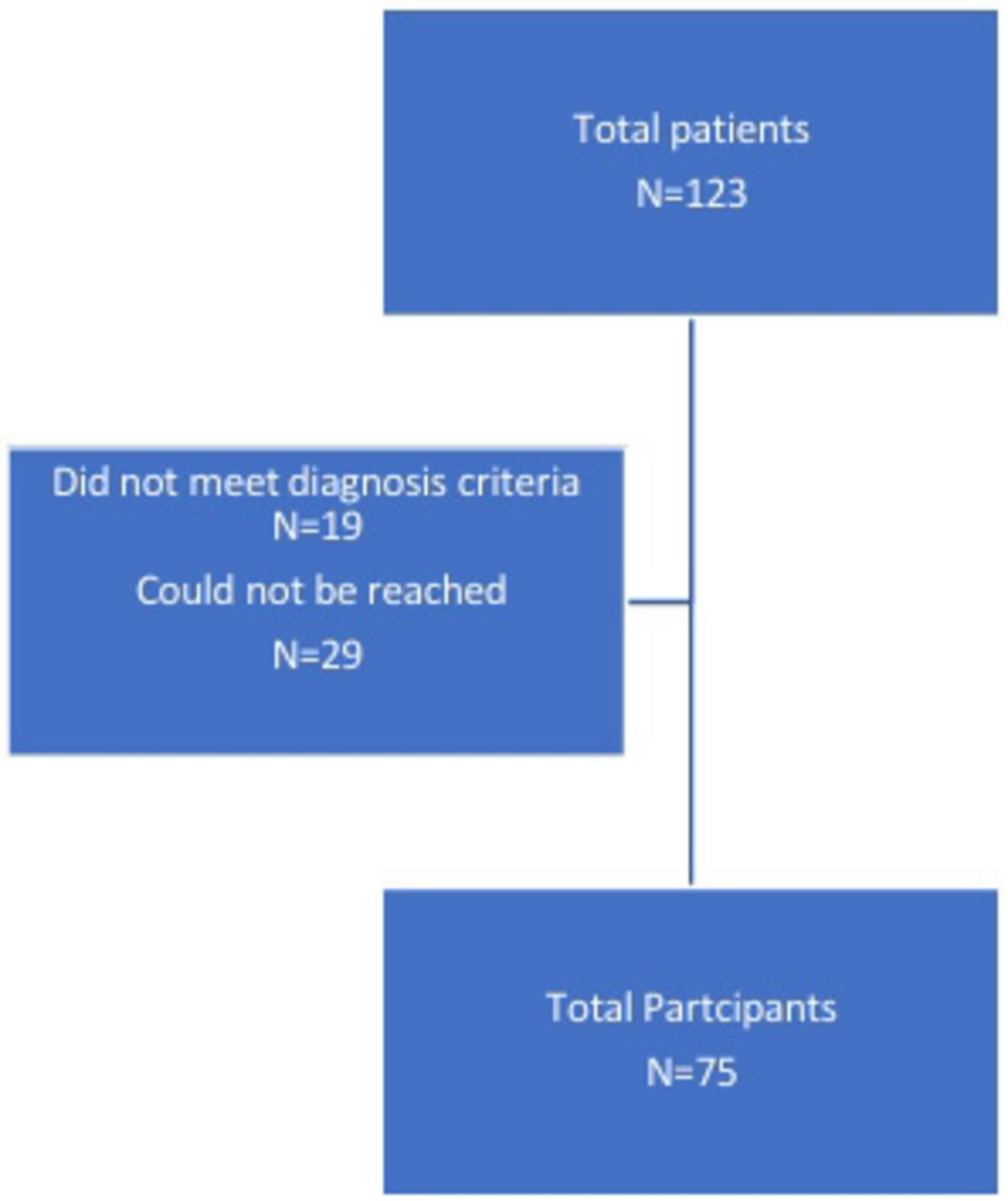
The study involved 75 participants, predominantly women (88%), with a mean age of 50.1 years, recruited from a tertiary care hospital in Beirut, Lebanon. Researchers assessed the patients' adherence to the MD using the Mediterranean Diet Adherence Screener (MEDAS) and evaluated symptom severity with the Ocular Surface Disease Index (OSDI) and EULAR Sjogren’s Syndrome Patient Reported Index (ESSPRI). The findings indicated a significant negative correlation between MEDAS and OSDI scores, suggesting that patients who adhered more closely to the Mediterranean diet reported fewer symptoms, particularly regarding ocular dryness.
Median scores from the study showed a median ESSPRI of 5.0 and a median OSDI of 25.0, highlighting the overall symptom burden in the cohort. Notably, the Spearman correlation analysis revealed that higher adherence to the MD (mean MEDAS score of 8.0) was independently linked to lower symptom severity across various measures.
The statistical analysis also pointed out that for every one-point increase in MEDAS, there was an average decrease of 4.58 points in OSDI, underscoring a strong association between diet and ocular symptom improvement. Covariate analysis showed that treatment correlated positively with OSDI scores, indicating that patients with more severe symptoms are often the ones undergoing treatment.
Despite the study's findings, it does emphasize that causality cannot be definitively established due to its cross-sectional design, and further longitudinal studies are necessary to explore the potential benefits of dietary interventions more deeply. The authors suggest that advocating for a Mediterranean diet could provide a cost-effective, non-pharmacological approach to managing symptoms in patients with Sjogren’s syndrome.
Overall, the study contributes to the growing body of literature suggesting that diet may play a crucial role in modulating the symptoms of autoimmune diseases, specifically Sjogren’s syndrome, and underscores the importance of integrating dietary guidance into patient management strategies.