September 24, 2026
Read More
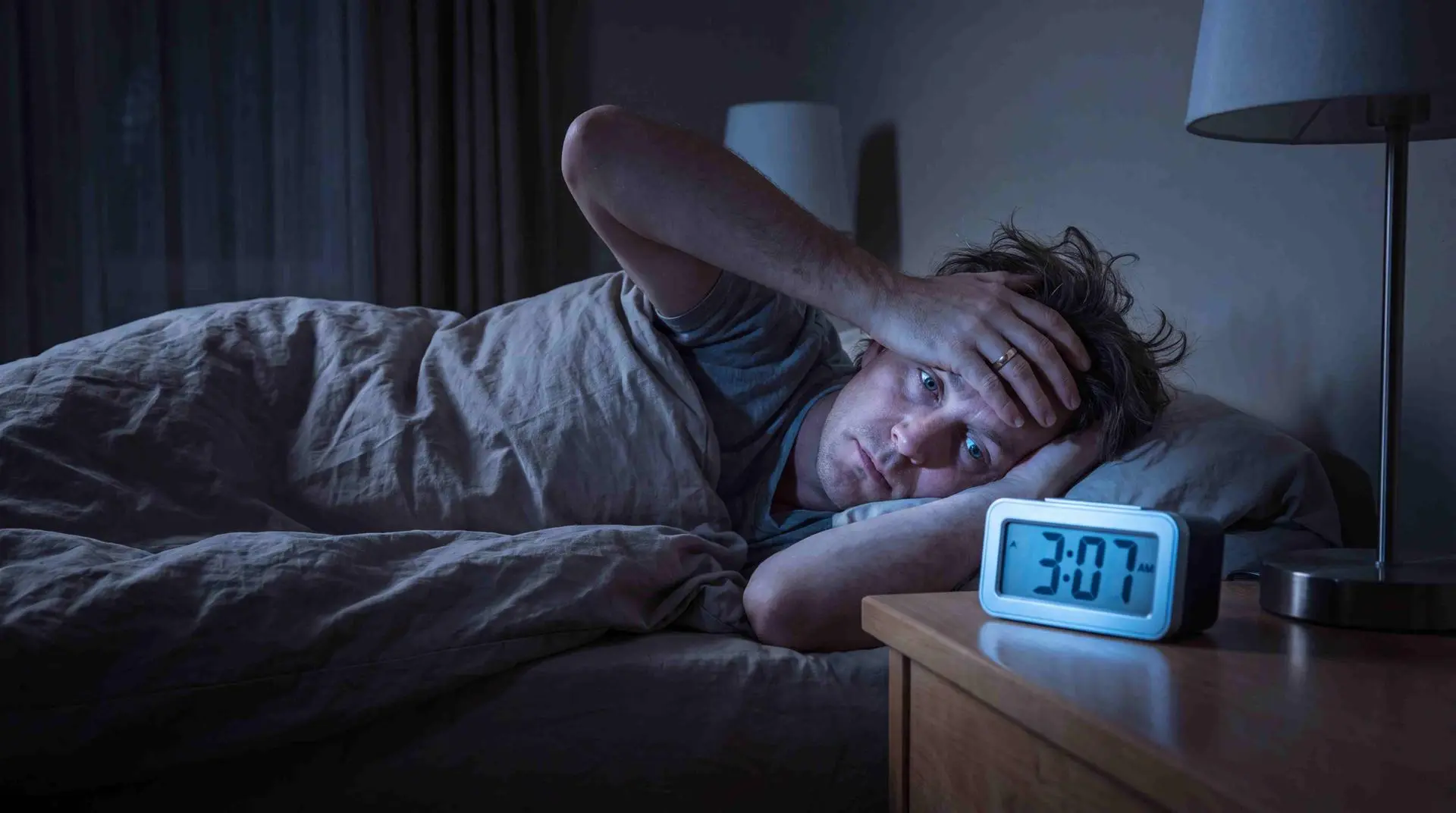
Many individuals find themselves awake at 3 or 4 AM during particularly hot nights, and this phenomenon can be traced back to biological responses to heat rather than a mysterious internal alarm. The discomfort of these so-called “tropical nights,” where temperatures do not drop below 68°F (20°C), can significantly disrupt sleep patterns.
During these warm nights, the body's natural temperature drop, which is crucial for stable sleep, is hindered. As heat lingers in the environment, it prevents the normal dissipation of warmth that typically helps ease the body into a restful state. Consequently, this discomfort results in fragmented sleep and frequent awakenings throughout the night.
Research highlights the intricate relationship between sleep and thermoregulation, the body's mechanism for maintaining an internal temperature. Ideal sleep conditions see a gradual decrease in core body temperature as heat is expelled into the cooler air of the environment. In hot, humid bedrooms, however, this process becomes more difficult. The increased humidity slows sweat evaporation and lessens the skin-to-air temperature difference, contributing to sleep disruptions.
A 2024 review in Sleep Medicine Reviews confirmed that elevated temperatures are associated with shorter, poorer quality sleep. The report indicates that high heat levels lead to more nighttime awakenings, although it clarifies that not everyone experiences wakes at the same time, debunking the notion of a universal wake-up time like 3 AM.
The circadian rhythm, which functions as the body's internal clock, typically signals lower temperatures in the early morning. This aligns with peak melatonin production between 2 AM and 4 AM. However, during hot nights, the body’s struggle to dissipate heat interferes with this natural cycle, leading to restlessness for many. Still, this does not establish a universal pattern of waking for all.
Factors influencing sleep disturbances due to heat include indoor and outdoor temperatures, humidity levels, seasonal changes, geographical location, and individual sensitivity to heat. As such, while waking at 3 AM is a common experience during warm summer nights, it is not a standard reaction shared by everyone. Sleepers should remember that their body’s response is a natural reaction to environmental conditions, and not some predetermined schedule.