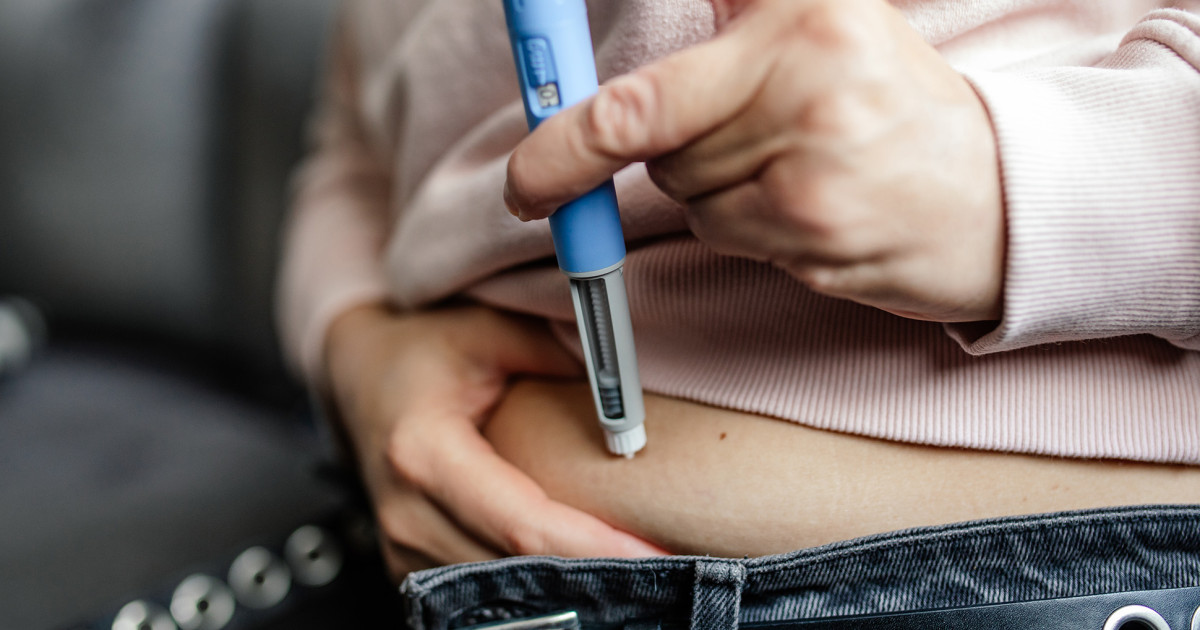
Children prescribed GLP-1 medications for obesity, prediabetes, or type 2 diabetes are at significant risk for nutritional deficiencies, with nearly 17% diagnosed within the first year, according to research from Northwestern University and Ann & Robert H. Lurie Children’s Hospital of Chicago.
Read More
The most common deficiency identified was vitamin D, present in 12.4% of children treated with GLP-1s within one year. Senior author Justin Ryder, an associate professor of surgery and pediatrics at Northwestern University Feinberg School of Medicine, emphasized the importance of understanding these risks during critical growth periods such as adolescence. He noted that deficiencies in nutrients like vitamin D, iron, and calcium could have lasting effects on skeletal health and overall development.
Published in the journal Childhood Obesity, the study highlighted the need for nutritional support during treatment. However, it was found that only 5% of patients received nutritional counseling within 30 days of starting GLP-1 treatment, and fewer than 25% obtained counseling within six months.
The researchers analyzed national administrative claims data from 2017 to 2022, covering over 100 million patients, and identified 2,031 GLP-1 users aged 10 to 17 years who had been continuously enrolled without a prior nutritional deficiency diagnosis. The most frequently prescribed GLP-1s were liraglutide (78.6%), dulaglutide (10.4%), and semaglutide (9.1%).
Ryder hopes the findings will highlight the necessity of proactive nutritional management when prescribing GLP-1s to children, to prevent deficiencies rather than responding after they occur. The study is titled, “Nutritional Deficiencies, Complications, and Nutrition Therapy/Counseling in Pediatric Patients Using GLP-1 Receptor Agonists.” Funding was provided by Abbott.