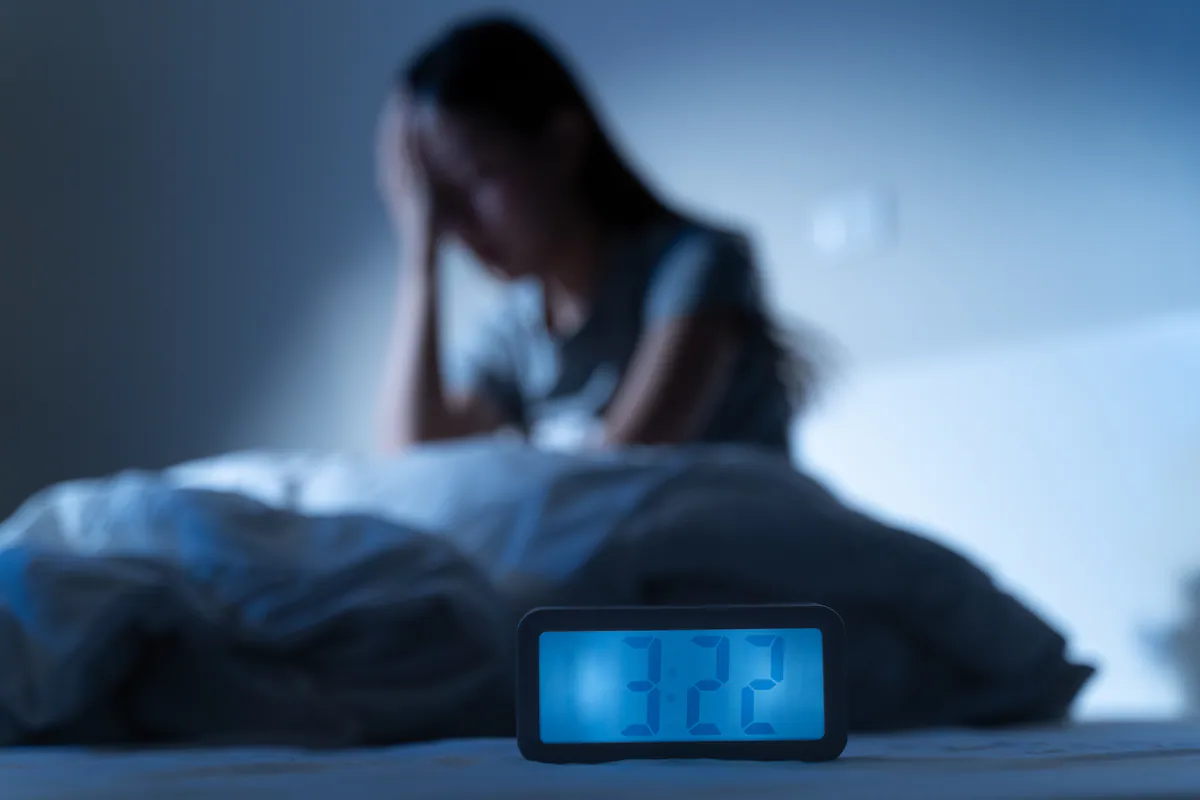
Insomnia has emerged as a significant public health issue in Western countries, with Spain reporting approximately 43% of its population experiencing insomnia symptoms. A study by the Spanish Sleep Society (SES) reveals that the prevalence of chronic insomnia has tripled in the past 20 years, now affecting 14% of Spanish adults, roughly 5.4 million people.
Read More
According to the 2023 European Guidelines on Insomnia Treatment, cognitive-behavioral therapy for insomnia (CBT-I) is the recommended first-line treatment for adults with chronic insomnia. If CBT-I is ineffective or unavailable, short-term medications may be considered, typically for no longer than four weeks. However, many patients find themselves relying on these medications for years, often without improvement in their insomnia symptoms, which significantly detracts from their quality of life.
Chronic insomnia is defined by sleep difficulties impairing daytime functioning at least three times a week for a minimum of three months, not attributable to other factors. Researchers have recently focused on identifying different subtypes of insomnia to personalize treatment more effectively. Francesca Cañellas, a psychiatrist specializing in sleep medicine at the Balearic Islands Health Research Institute, emphasizes that insomnia is complex and heterogeneous, resulting from various underlying mechanisms.
Two main approaches to categorize insomnia patients have emerged. One method distinguishes between individuals with shorter sleep duration (less than six hours) and those with longer sleep duration but distorted sleep perception. The second, led by Dutch researchers Tessa Blanken and Eus Van Someren, introduced five subtypes based on patients' life histories and personality traits, using a simple 204-question survey.
In a study involving 2,224 participants with insomnia from the Netherlands, the majority were classified into subtypes 2, 4, and 5. Subtype 2 consists of individuals with moderate anxiety who typically face insomnia due to stress and respond well to CBT-I. Subtypes 4 and 5 are characterized by long-term insomnia linked to life events and often childhood trauma, with both groups benefiting from relaxation therapies and stress management techniques.
Cañellas initiated a study supported by the SES, spanning eight multidisciplinary sleep units in Spain, aiming to analyze various patient characteristics including sleep patterns, anxiety levels, family history, and treatment history. The findings reaffirmed the five insomnia subtypes and underscored Cañellas's observation that 82% of sleep clinic patients fall into the more complex subtypes 1 and 3, which often go untreated for over seven years.
Patients in subtype 1 typically experience severe insomnia and high levels of distress related to sleep, often linked to depression. Cañellas notes that if their depression is not addressed, their insomnia is unlikely to improve. In contrast, those in subtype 3 show moderate distress but a poor response to treatment, frequently using multiple sleep medications and displaying tendencies toward negativity.
The study's results highlight the need to fine-tune treatment strategies based on insomnia subtypes. Javier Puertas, a clinical neurophysiologist in Valencia, believes that personalization of treatment will enhance efficacies, while Ainhoa Álvarez, president of the SES, argues that the subtype classification is a step towards more effective and individualized treatments. The questionnaire utilized for subtype identification can ideally be administered in primary care, expediting referrals to specialized care as necessary, which could improve both healthcare efficiency and patient outcomes.