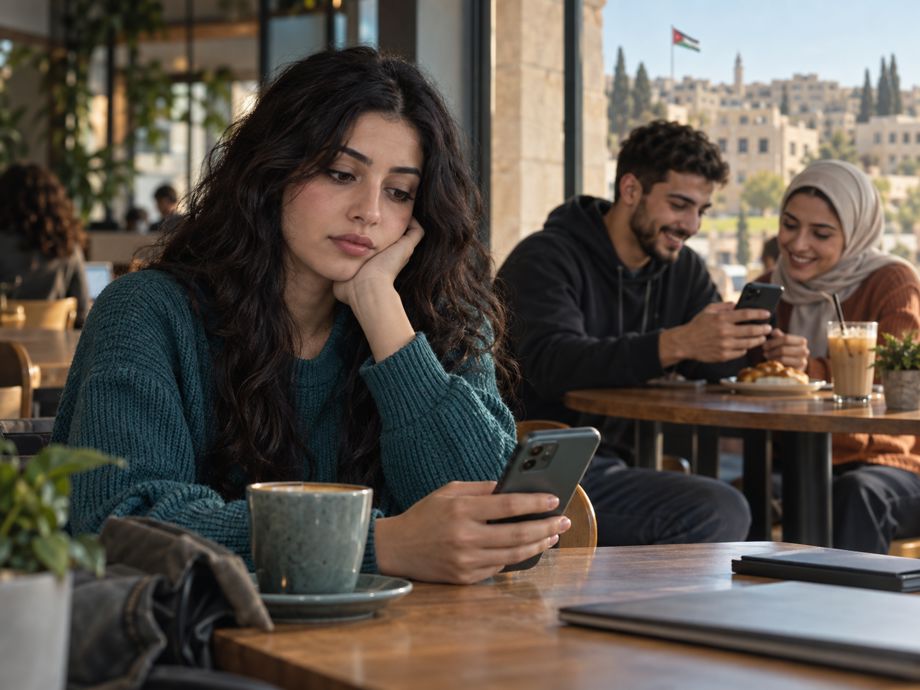
A study in the journal Frontiers in Public Health examines the impact of Instagram Reels on the mental health of young adults in Jordan. Conducted by Mohammed Habes and colleagues, the research found that using Reels is associated with both positive and negative mental health indicators, highlighting its complicated influence on Gen Z.
Read More
The researchers surveyed 422 users aged 18-27 from January to April 2026, gathering insights on how social influences shaped their Reels usage, their satisfaction with the platform, and their mental health experiences. Participants shared their insights through social media channels, which encouraged engagement from a wider audience.
Key findings indicate that social connections, trust in content creators, and satisfaction with the platform significantly impact users’ willingness to share ideas. The strongest link was noted between social influence and idea sharing, suggesting that the opinions of friends and influencers are pivotal in shaping users’ interactions on Reels.
Users who found expected information and entertainment on the platform exhibited more sharing behaviors and greater trust. Nonetheless, the correlation between users’ plans to continue using Reels and their trust levels was less pronounced, indicating that trust may develop more through user interactions than through mere intent to engage with the app.
The study differentiated between positive indicators of mental health, such as self-esteem and social connectivity, and negative indicators, including anxiety and feelings of loneliness. Notably, higher usage of Reels correlated with both improved psychological wellbeing (0.341) and increased anxiety or loneliness (0.318), suggesting that the platform can elicit diverse emotional responses from users.
The authors noted that the mixed results could stem from both the positive aspects of self-expression and entertainment, as well as the pressures of social comparison and idealized portrayals of life on the platform. However, the research did not establish causation between Reels usage and mental health, nor account for participants' pre-existing psychological conditions.
The findings underline the importance of fostering healthier digital interactions beyond merely regulating screen time. The researchers suggest that improvements in digital well-being could focus on enhancing the quality of interactions and the content shared on platforms like Instagram.
Despite the insights gained, the study has limitations, including the timing of data collection and potential biases in self-reported mental health measures, which could affect the generalization of the results to the broader population.