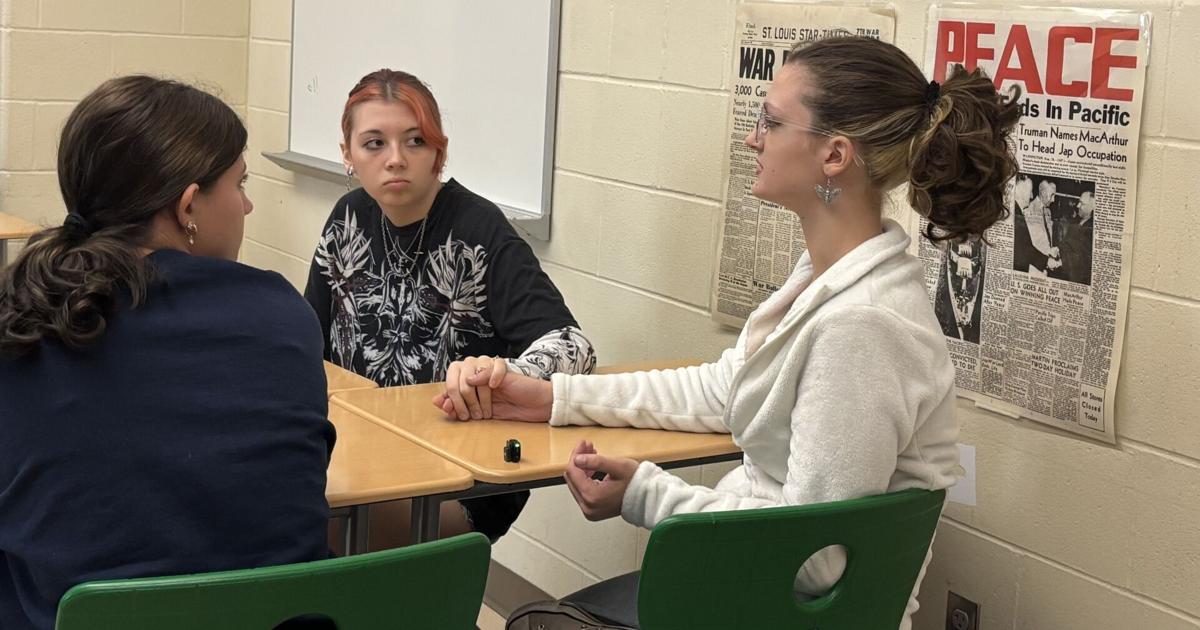
Students at Northmont High School are examining the influence of artificial intelligence (AI) on their mental health, communication, social interactions, and self-esteem. Shannon Cox, superintendent of the Montgomery County Educational Service Center, elaborates on local schools' initiatives to ensure students use AI responsibly and safely.
Read More
AI tools are utilized by some students for academic assistance, while others seek guidance on personal matters. Alarmingly, there have been instances where parents discovered notes left by suicidal children that were composed using AI technology. Tony Coder, CEO of the Ohio Suicide Prevention Foundation, highlighted the potential risks AI poses to individuals with pre-existing mental health conditions, referring to parents who have reported such incidents over the last year.
Generative AI, which creates human-like responses based on user prompts, is becoming increasingly prevalent. A study by RAND indicates that 19.2% of young people aged 12 to 21 have used generative AI for emotional support, a 40% increase from the previous year. Dr. Stephen Liptak, a child psychologist, warned that the impact of AI on youth mental health is only beginning to surface and may worsen.
Mental health professionals caution that generative AI can form seemingly meaningful connections with users, despite lacking true emotional understanding. Dr. Carly Schweier, another pediatric psychologist, pointed out that AI’s inability to empathize is a significant concern, as it could misguide vulnerable individuals.
National research indicates generative AI often violates accepted ethical standards, leading to responses that could reinforce negative self-perceptions among users. Adults who frequently engage with AI have exhibited increased levels of depression and anxiety, according to a study from Harvard University, which noted a 30% higher likelihood of moderate depression among daily AI users.
Among the youth, those using AI for mental health support often do so without disclosing their interactions to others. Some students voiced apprehension about AI replacing authentic human connections, citing difficulties in adult peer communication.
Brenda Gerhardt, a counseling professor at the University of Dayton, suggested that similar strategies should be applied to AI as with social media, advocating for limited use and training for responsible engagement. Students in Hope Squad programs, which focus on suicide prevention, shared concerns about the ubiquity of AI and the pressure to utilize it in ways that can distort their problem-solving skills.
The urgency surrounding AI's potential impact on mental health is mirrored by calls for tech companies to implement protective measures. Coder remarked on the importance of having safeguards to mitigate risks associated with AI, unlike how automobiles are designed with safety features. There is a consensus that, while AI has the potential to offer beneficial advice, it can also provide harmful guidance if not properly regulated.