This study investigates the impact of sleep hygiene education on adults aged 50 to 80 years, focusing on improving sleep quality, reducing daytime sleepiness, and enhancing overall sleep hygiene practices. Given the prevalence of sleep issues in older adults, traditional pharmacological approaches often lead to side effects, underscoring the need for safer, low-cost alternatives. Sleep hygiene education, which encompasses behavioral strategies to promote better sleep, is assessed through a combination of a one-time educational video and daily automated text messages.
Read More
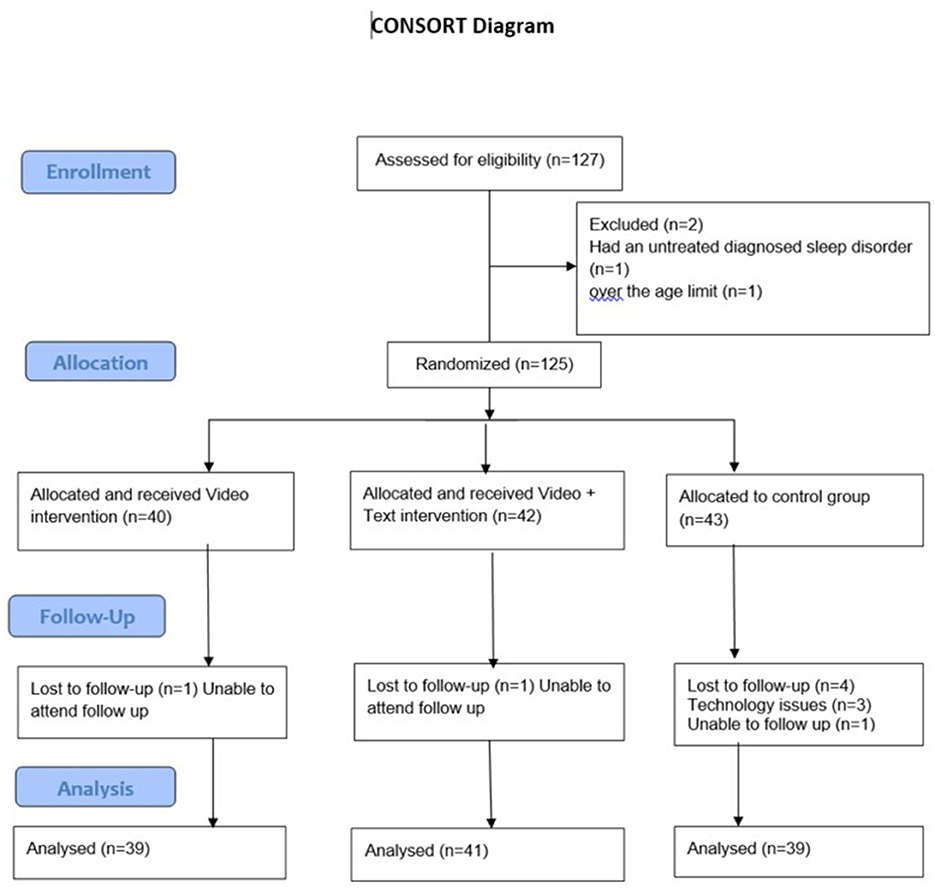
In the study, 119 participants (average age 66.5 years; 77 females) completed an electronic survey that collected demographic data alongside various standardized sleep assessments, including the Pittsburgh Sleep Quality Index (PSQI) and the Epworth Sleepiness Scale (ESS). Participants also wore Fitbit sleep trackers for two weeks to record baseline sleep metrics, after which they were randomly placed into one of three groups: a control group, a video-only group, and a video-plus-text group. Sleep tracking continued for an additional four weeks, with follow-up assessments at the end.
Results showed significant improvements in subjective sleep quality and daytime sleepiness in both intervention groups compared to controls. Specifically, the PSQI scores decreased, indicating enhanced sleep quality. However, objective measures from the Fitbit devices did not demonstrate statistically significant changes in sleep duration or architecture.
This study highlights the potential of brief, cost-effective sleep hygiene education interventions to positively influence perceived sleep quality and behaviors in older adults, though objective improvements in sleep metrics were not corroborated. The findings suggest the need for future research with larger sample sizes and long-term follow-ups to validate these outcomes and explore the discrepancy between subjective perceptions and objective sleep parameters.