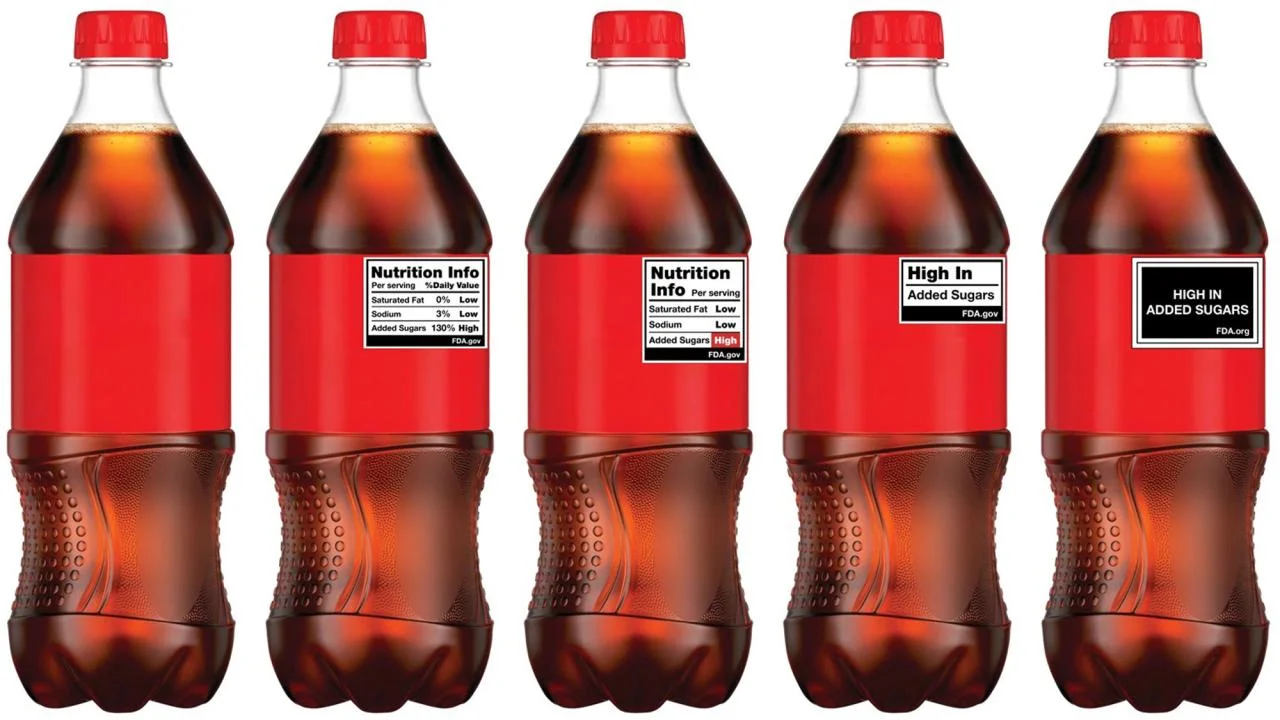
Packaged foods provide convenience but can also be significant sources of saturated fat, sodium, and added sugars, which contribute to chronic diseases when consumed excessively. To aid consumers in making healthier dietary choices, the U.S. Food and Drug Administration (FDA) proposed a revised front-of-package nutrition label set to be finalized by January 2025. This label aims to inform consumers about the levels of these nutrients in packaged foods.
Read More
A research team from the University of California, Davis, has suggested an alternative design that emphasizes products containing high levels of added sugars, sodium, or saturated fat. Their findings were published on March 24 in The Lancet Public Health. Jennifer Falbe, an associate professor of nutrition and human development at UC Davis and the corresponding author of the study, indicated that the FDA’s initiative to provide shoppers with an at-a-glance guide is a significant advancement.
The federal proposal involves a small “nutrition info” box on the front of most packaged foods, where saturated fat, sodium, and added sugars would be marked with a rating of “low,” “medium,” or “high” based on the percentage of Daily Value defined by the FDA.
However, the researchers argue that front-of-package labels should only indicate when products are high in added sugars, sodium, or saturated fat with clear labels such as “high in added sugars” or “high in sodium.” For example, a candy might display a simple “high in added sugars” label, while a pot pie could show “high in sodium” and “high in saturated fat” tags. In contrast, the FDA’s proposed label would indicate all nutrient levels along with their percentage of Daily Value.
To evaluate the labels' effectiveness, researchers conducted an online randomized controlled trial with over 13,000 U.S. adults, comparing the FDA’s black-and-white nutrition info box to the proposed designs. Falbe noted that the “high in” labels were more effective in helping participants quickly identify healthier choices, leading to better food selections in virtual shopping contexts.
The FDA’s proposed labels may cause consumers to misinterpret items like processed meat and candy as healthier due to the presence of two “lows” and one “high” rating, creating a false perception of healthiness. Falbe emphasized that given the label's visibility to millions of Americans for years, it is crucial that the best option is chosen.
The proposed labels would appear on the front of packages alongside the existing nutrition facts panel on the back or side of most products. Brittany Lemmon, a Ph.D. candidate in epidemiology and lead author of the study, remarked that such clear labeling would help consumers avoid overconsumption of added sugars, sodium, and saturated fat.
Other co-authors of the study include Alejandra Marquez, Lisa Soederberg Miller, Lauren Au, Susan Brown, and Aijia Wang from UC Davis, alongside researchers from Stanford University School of Medicine and the University of Illinois Chicago School of Public Health. The project received funding from Bloomberg Philanthropies’ Food Policy Program and Healthy Eating Research, a national initiative of the Robert Wood Johnson Foundation, with additional support for one co-author from the National Institutes of Health.