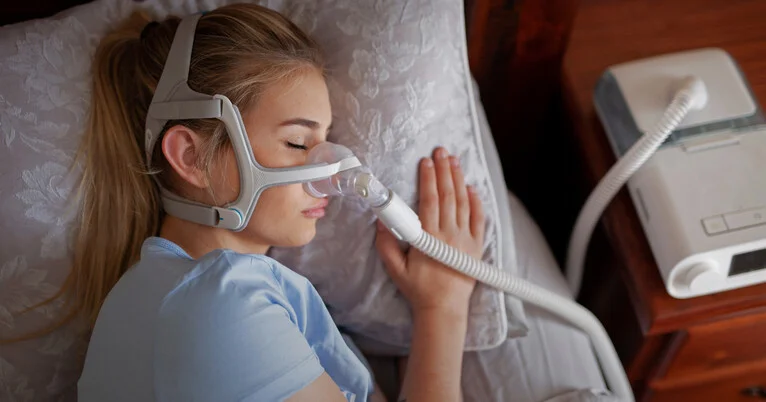
Klar Yaggi, a professor at Yale School of Medicine and director of the Yale Center for Sleep Medicine, is exploring the evolving landscape of sleep apnea treatments. He believes the field of sleep medicine is still in its infancy, with many unanswered questions about the health implications of sleep apnea, which affects about one in eight people globally. Sleep apnea can lead to various symptoms, including excessive daytime sleepiness, cognitive impairments, and links to chronic diseases like heart disease, stroke, and diabetes.
Read More
Traditionally, continuous positive airway pressure (CPAP) machines have been the standard treatment for sleep apnea, which occurs due to blocked airways or impaired brain control of breathing. However, CPAP does not suit every patient, prompting the search for alternative therapies.
Emerging treatments include devices such as oral appliances, designed by dentists to reposition the jaw and enhance airway space, effectively addressing snoring and mild to moderate sleep apnea. For severe cases, the FDA has approved Inspire therapy, an implanted device that stimulates the nerve controlling airway muscles during inhalation, aiding patients who cannot tolerate CPAP.
Additionally, pharmacologic treatments are gaining attention. Last year, the FDA approved tirzepatide, a GLP-1 agonist, which shows significant improvements in sleep apnea, primarily linked to weight loss. Weight gain is a key risk factor for the disorder, and medications like tirzepatide can lead to substantial weight reduction, potentially halving or eliminating sleep apnea severity.
Technology is also revolutionizing sleep apnea diagnosis. Yaggi noted an influx of patients reporting sleep issues based on data from smartwatches. The adoption of artificial intelligence in sleep studies is expediting diagnoses by enhancing how technologists score tests. This shift is crucial as many cases of sleep apnea remain undiagnosed.
When considering treatment options, Yaggi emphasizes the need for personalized solutions. While CPAP therapy can be life-changing for some, others find it challenging. The growing array of treatment choices is critical for patient care.