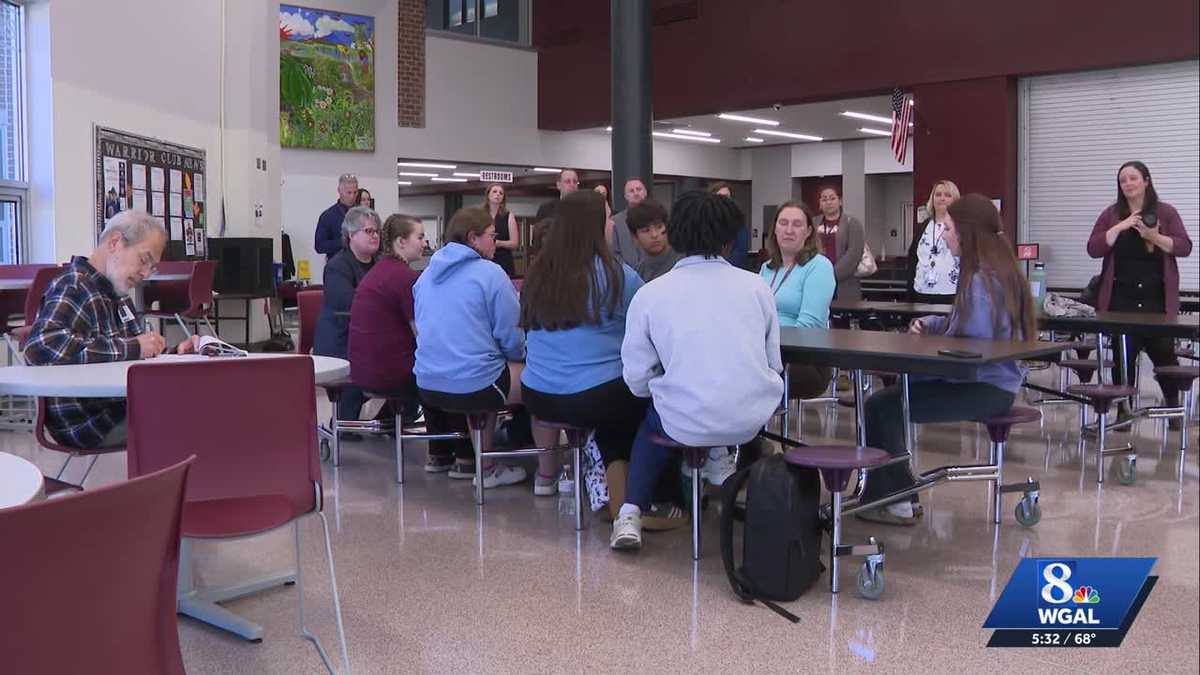
Gettysburg Area School District is expanding mental health support through new social worker positions and student-led programs, bolstered by state funding. Recent data from the CDC indicates that 40% of high school students report ongoing feelings of sadness or hopelessness. In response, faculty and students at the district are prioritizing mental health discussions.
Read More
The district has hired social workers for every school, complemented by student-led clubs that assist with everything from easing first-day anxieties to providing resources during mental health crises. These initiatives receive partial funding from the state for student mental health and school safety.
"This group of students shows us that it’s brave to take the step and talk to somebody," said Dr. Carrie Rowe, secretary of the Pennsylvania Department of Education, who toured Gettysburg Area High School and engaged with students.
Principal Jeremy Lusk highlighted the vital contributions of social workers in addressing student needs. Over the past three years, the district has secured approximately $500,000 in state funding, which supports programs like the Warrior Ambassador Club and the Hope Squad. These programs focus on peer-to-peer support and connecting students with appropriate resources in times of need.
Senior Sarah Rice emphasized the importance of mental health support, sharing, "I’ve struggled with anxiety and similar issues throughout my time in middle and high school. Having support networks has been incredibly helpful. Without them, it can be really difficult to move forward with even the little things."
The Hope Squad actively empowers students and fosters a sense of community. Jy'miere Anderson, a member, expressed this sentiment in a poem: "Stay. Don’t give up. Stay for the joys yet to come. Stay for the version of you."
Trends indicate an overall improvement in student mental health, a positive development that school leaders hope to maintain. Rowe remarked, "What we’re trying to do—both the school administration and the governor—by providing funding for these programs, is to communicate that you don’t have to do this alone."
Students like Rice and Ian Goldman-Smith conveyed optimism about the impact of these initiatives. Rice noted the value of conversation in fostering a welcoming community, while Goldman-Smith acknowledged the importance of involvement in bringing about change.