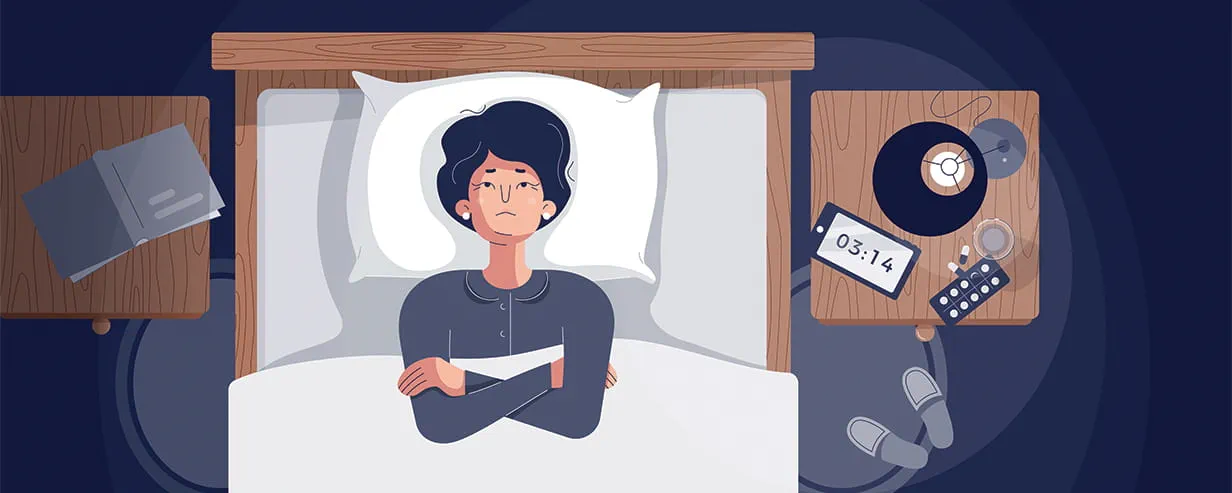
Experiencing wakefulness in the early hours can be frustrating. Commonly referred to as middle insomnia, or sleep-maintenance insomnia, this condition significantly affects many individuals, particularly older adults.
Read More
According to Consultant Neurologist Professor Guy Leschziner of Guy’s and St Thomas’ Hospitals, approximately half of older adults struggle with either falling asleep or staying asleep. Specifically, 50 to 70% face middle insomnia, experiencing multiple awakenings or prolonged periods of wakefulness during the night. Dr. Lindsay Browning, a psychologist and sleep expert, notes that many people find themselves awake around 2, 3, or 4 a.m. and unable to return to sleep for hours.
Several factors contribute to the prevalence of middle insomnia among older adults. Prof. Leschziner explains that age affects the brain circuits responsible for regulating sleep and wakefulness and decreases melatonin production, which is crucial for maintaining sleep.
Physical changes associated with aging also play a role. These can include bladder issues, joint or back pain, menopausal symptoms, and certain medications, such as antihistamines and blood pressure medications. Moreover, medical conditions like obstructive sleep apnea, periodic limb movement disorder, and restless legs syndrome can exacerbate sleep disturbances, leading individuals to feel as though they have not slept despite periods of sleep.
For those affected, the consensus among experts is to avoid lying in bed awake, as this can reinforce the mental link between the bed and wakefulness. Dr. Browning suggests leaving the bedroom after about 20 minutes of wakefulness and engaging in a low-stimulus activity in dim lighting until feeling sleepy again. Suggested activities include reading, watching television, or simple creative tasks.
Avoiding certain behaviors is equally important. Checking the time can heighten anxiety, while scrolling on phones may further aggravate the inability to sleep. Dr. Browning advises setting an alarm for your wake-up time and reassessing whether it’s still night if you wake up.
Eating late at night can also disturb sleep habits; therefore, a light snack before bed is recommended instead of eating during nighttime awakenings.
As for treatments, the British Geriatrics Society recommends avoiding sleeping pills for older adults due to the risks of daytime drowsiness and falls. Cognitive Behavioral Therapy for Insomnia (CBT-I) is a non-pharmaceutical option that helps address unproductive thought patterns and behaviors related to sleep. Techniques such as sleep restriction can, counterintuitively, improve sleep patterns over time by gradually stabilizing sleep. The Sleepio app, which provides CBT-I, is endorsed by the National Institute for Health and Care Excellence (NICE) and is particularly suited for those over 65.
Understanding the reasons behind middle insomnia can lead to effective changes in routine and improved sleep quality. For continued difficulties or if sleep issues provoke anxiety, consulting a GP or sleep professional is advisable.