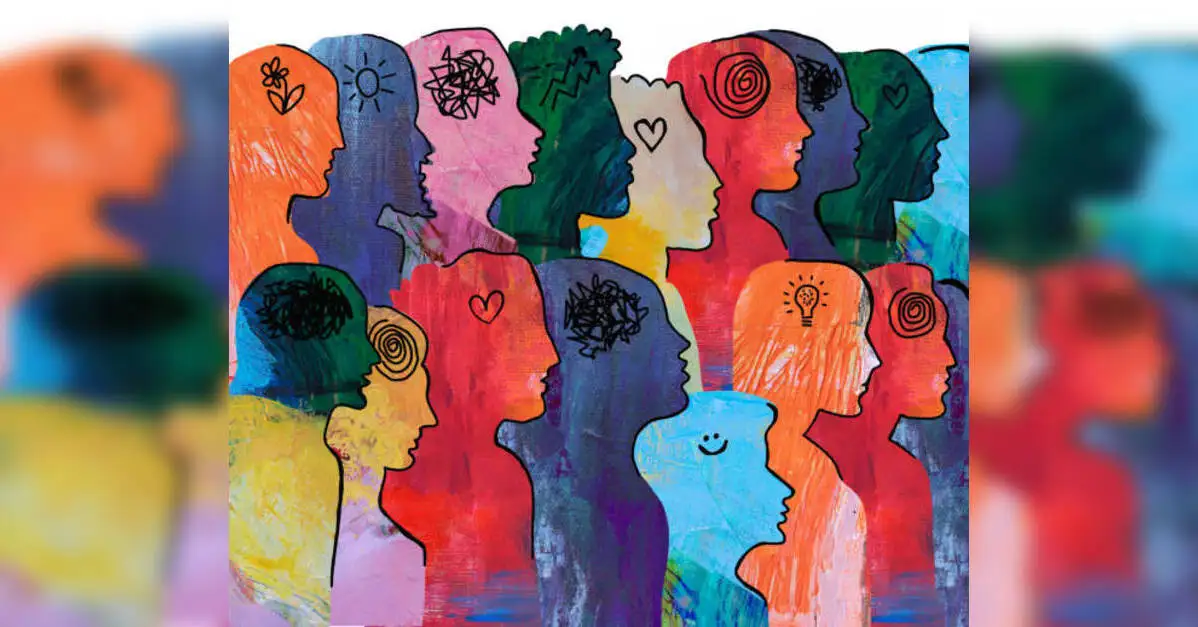
Discussions about mental health in the workplace traditionally focus on what employees should do—such as managing stress and seeking professional help. However, a new question is emerging: what should employers change about the workplace itself? This inquiry is particularly relevant as World Mental Health Day approaches, with the 2026 theme emphasizing the importance of incorporating the voices of those with lived experiences in shaping mental health policies and services. The World Health Organization (WHO) highlights that it is insufficient for individuals to be heard; their experiences should directly inform decisions from design to evaluation.
Read More
Employers can reevaluate their mental health strategies by treating employees as partners in defining what creates a psychologically healthy work environment. The stigma surrounding mental health often prevents individuals from seeking help or discussing their struggles. WHO advocates that stigma can hinder support-seeking behaviors, thereby affecting work performance and interpersonal relationships. Even when an employee has access to mental health resources, the fear of judgment or career repercussions may deter them from using these services, making psychological safety a crucial aspect of the mental health dialogue.
The role of management is also critical. WHO recommends comprehensive training for managers to help them recognize emotional distress, engage in open communication, and understand how workplace stressors impact employees. Improving mental health literacy among staff can further raise awareness and mitigate stigma.
For employers in the Middle East, managing diverse multinational workforces complicates these issues. Employees may have varying languages, cultural expectations, attitudes towards mental health disclosure, and their familiarity with mental health services. Thus, a one-size-fits-all wellbeing program may not adequately address the needs of all employees.
The conversation around workplace mental health is evolving towards work design itself. WHO identifies excessive workloads, low control levels, job insecurity, and discrimination as significant risks to mental health. The International Labour Organization's (ILO) 2026 report emphasizes that job design, workload, and management practices are central to a healthy psychosocial work environment. The ILO estimates that psychosocial risks contribute to over 840,000 deaths globally each year and cause significant economic losses, equal to 1.37% of global GDP annually.
For HR leaders, this underscores an uncomfortable reality: organizations cannot merely extend wellness benefits to offset an unhealthy work environment. If employees report unsustainable workloads and poor management, addressing these issues may require a redesign of work processes rather than simply introducing additional resilience programs.
The theme for World Mental Health Day 2026 highlights the importance of moving from employee listening to employee influence. While surveys can provide insight into stress and support levels, lived experiences can provide deeper context. Employees who have faced mental health challenges can identify barriers that may not surface in standard surveys, such as confidentiality concerns and manager behaviors.
Employers can benefit from involving employees with lived experiences in the development of mental health policies and support mechanisms. Acknowledging that each individual cannot represent all experiences ensures that a range of perspectives informs decision-making.
Middle Eastern organizations do not need to discard existing wellness programs but rather integrate them into a broader strategy. This approach might involve training managers to respond effectively to disclosures of mental health challenges, assessing psychosocial risks alongside physical workplace conditions, and allowing employees an authentic role in shaping workplace policies. It's essential to measure not only participation in wellness activities but also whether employees feel safe to seek help and believe their organization will listen to their concerns.
As workplaces in the Middle East undergo rapid changes—due to factors like digital transformation and diverse workforces—the focus of the mental health conversation should shift to creating environments where employees can request support without fear. Ultimately, progress may be indicated by whether employees feel confident that their organization will genuinely listen when they voice their challenges.