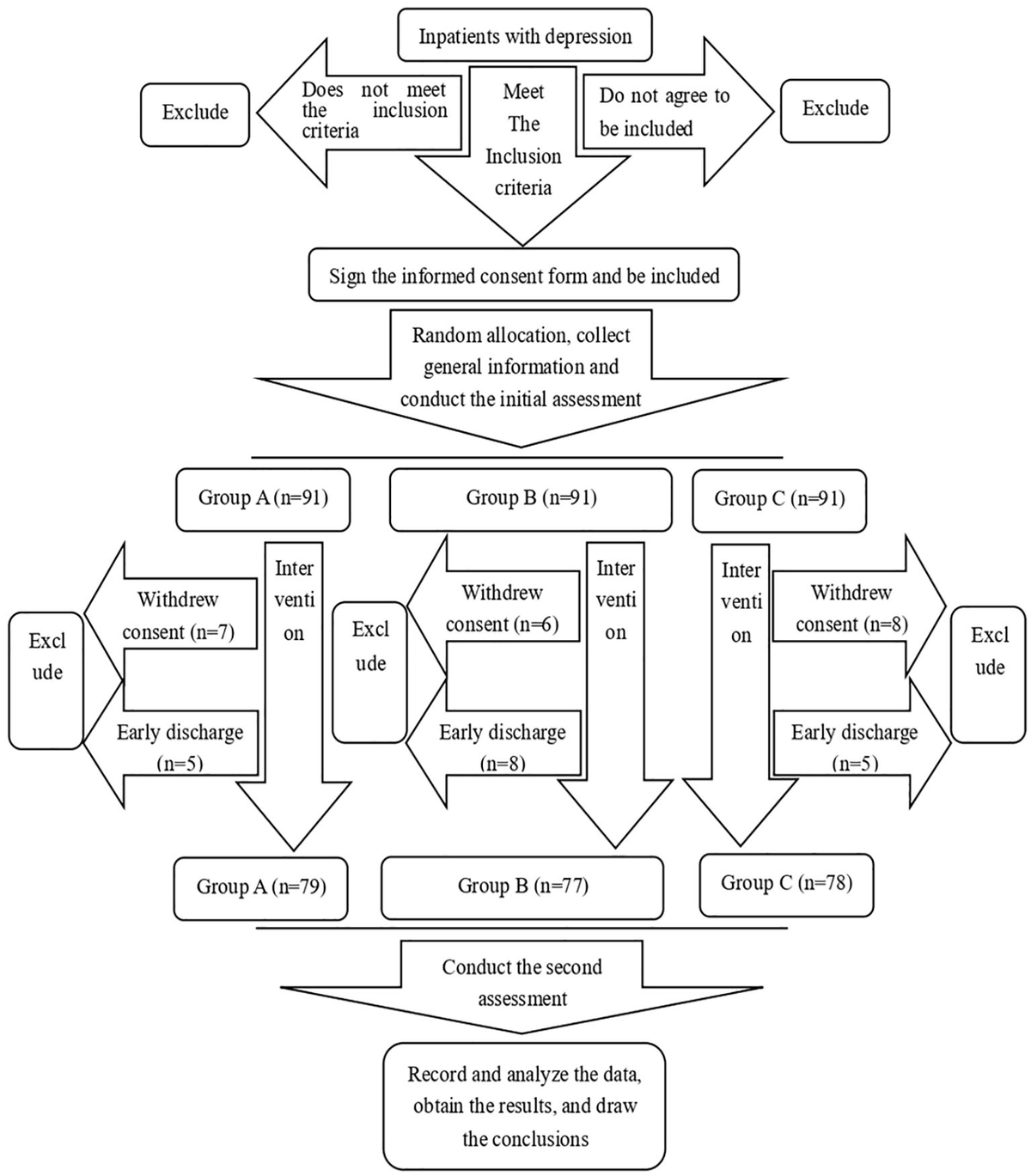
A randomized controlled trial investigated the effects of exercise as a supplementary treatment for patients with first-episode severe depression. The study included 273 inpatients, with 234 completing six weeks of treatment. Participants were divided into three groups: conventional treatment alone, conventional treatment with aerobic exercises, and conventional treatment with stretching or resistance training.
Read More
Outcome assessments utilized multiple scales, including the Hamilton Depression Scale-24 (HAMD24), Pittsburgh Sleep Quality Index (PSQI), Montreal Cognitive Assessment (MOCA), Chinese Version of the Trail-Making Test (C-TMT), and Stroop Color and Word Test (SCWT) to evaluate cognitive and sleep improvements pre- and post-intervention.
Findings indicated significant reductions in HAMD24, PSQI, C-TMT-A, and C-TMT-B scores across all groups post-intervention, suggesting improved depressive symptoms and sleep quality. Notably, groups B and C, which included aerobic or stretching exercises respectively, reported lower HAMD24 and PSQI scores compared to Group A. Additionally, Group B showed superior results in cognitive assessments, particularly in executive function measures like the C-TMT and SCWT, compared to Group C.
In conclusion, both aerobic and stretching or resistance exercises, when added to conventional treatment, significantly improved depressive symptoms, sleep quality, and cognitive function in patients suffering from first-episode severe depression. The research emphasizes the necessity of addressing not just emotional symptoms but also cognitive impairments and sleep disturbances in treatment protocols.