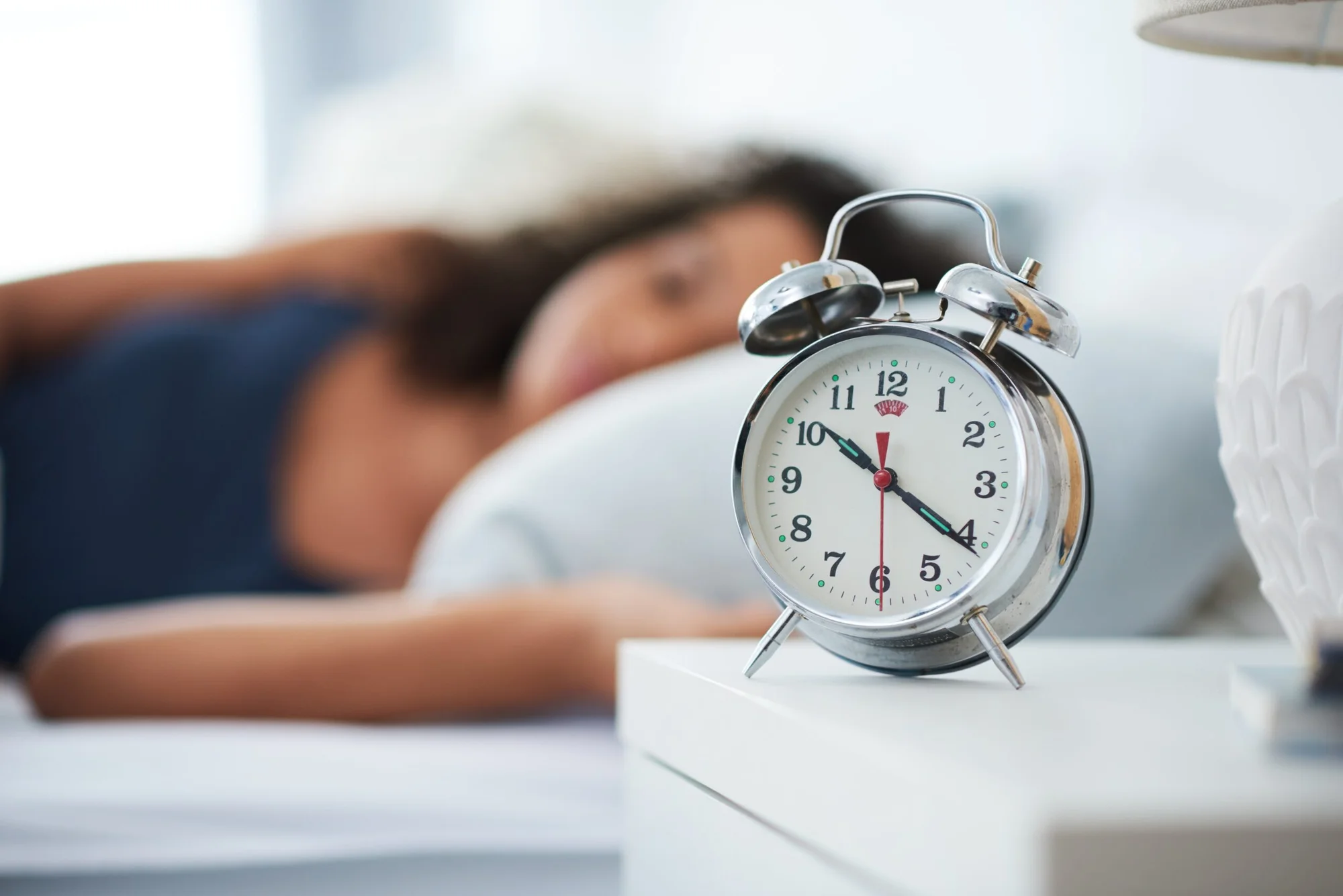
A recent study from Columbia University Vagelos College of Physicians and Surgeons has revealed that both insufficient and excessive sleep are associated with faster biological aging across multiple organs, including the brain, lungs, liver, immune system, and pancreas. This research indicates that sleep's impact on health extends beyond previously established connections to mood and cardiovascular well-being.
Read More
Published in the journal Nature, the study utilized machine learning tools known as aging clocks to assess whether an individual’s biological age aligns with their chronological age. While many aging clocks focus on overall health, this study specifically developed clocks for individual organ systems to provide a more nuanced understanding of how these systems deteriorate over time.
The research analyzed sleep data from around half a million participants in the UK Biobank. Results showed a U-shaped correlation between sleep duration and biological aging; individuals sleeping less than six hours or more than eight hours exhibited signs of accelerated aging. The optimal sleep range for minimizing biological aging appeared to be between 6.5 and 7.8 hours for women, and 6.4 to 7.7 hours for men.
Although the study doesn't definitively prove a causal relationship between sleep duration and organ aging, it highlights that extreme sleep patterns correlate with poorer biological age profiles. Among the biological clocks, the strongest correlation was found in brain-related measurements.
In addition to aging patterns, the researchers noted a connection between abnormal sleep durations and various health issues. Short sleep was linked to depression, obesity, type 2 diabetes, hypertension, and more, while both short and long sleep were associated with chronic respiratory conditions. Short sleepers faced a 50% higher all-cause mortality risk, while long sleepers had a 40% higher risk compared to those sleeping 6 to 8 hours.
Genetic analyses revealed broader associations between short sleep and numerous health disorders, while long sleep was more closely tied to psychiatric conditions. This suggests that short and long sleep may represent different health risks rather than being two sides of the same coin.
The investigation also examined the specific case of late-life depression, indicating that short sleep may link more directly to this condition, while long sleep appears connected through various bodily pathways relating to aging.
Despite its large scale, the study has limitations; sleep data were self-reported rather than measured objectively, and analyses were cross-sectional, preventing definitive conclusions about cause and effect. Additionally, the sample was predominantly of European ancestry, which may affect the generalizability of the findings.
The implications of this research suggest that sleep duration could be a significant health indicator, potentially aiding in the identification of those at risk for accelerated biological aging or related diseases. For clinicians, understanding sleep patterns might support better health outcomes, while patients may reconsider the importance of both insufficient and excessive sleep in relation to their overall health.