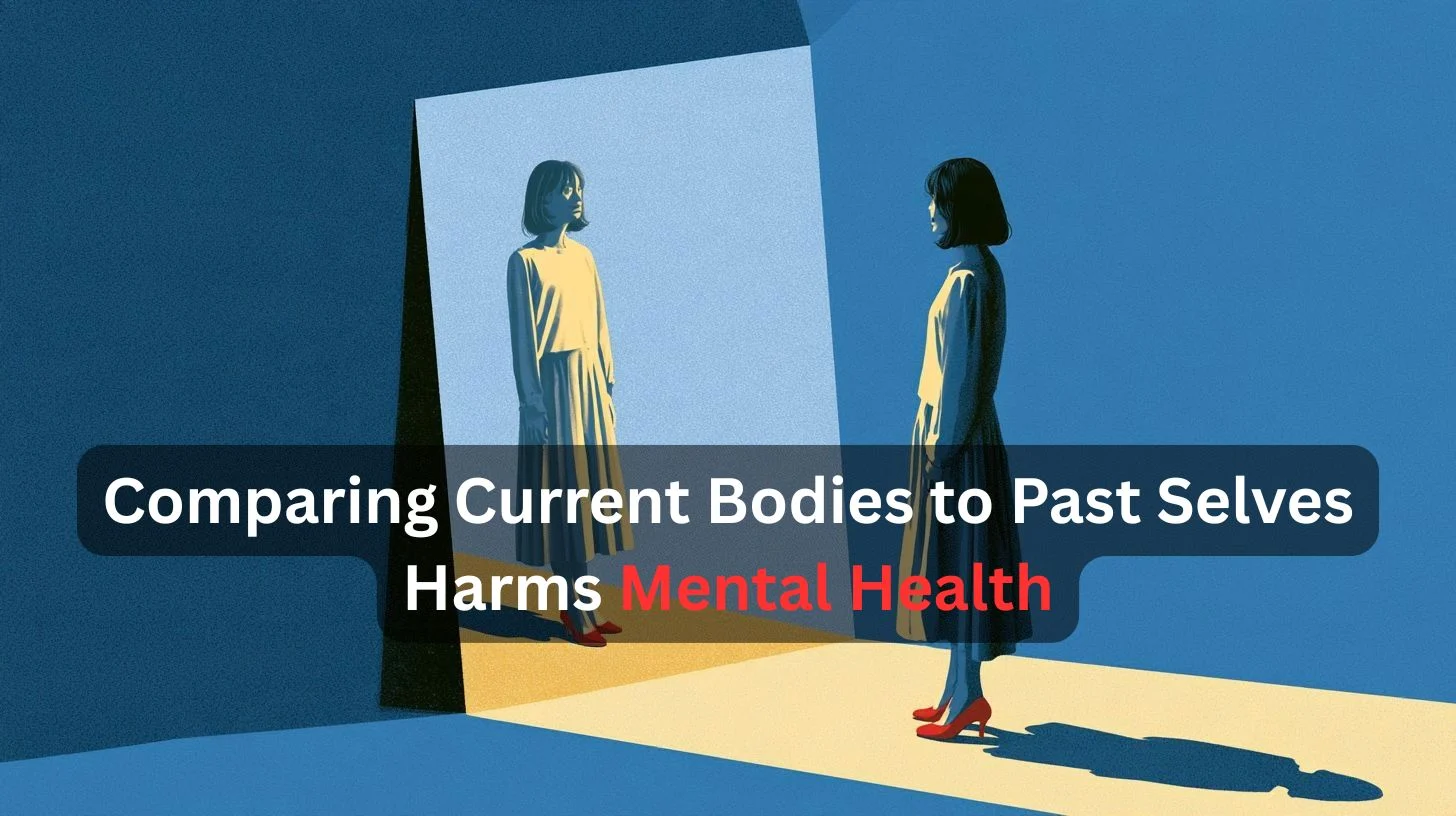
A recent study from The Ohio State University highlights that comparing one's current appearance to past selves can be as detrimental to mental health as comparing oneself to others. The research, published in the journal Body Image, introduces the Self-Oriented Comparison Scale for Appearance (SOCS-A), demonstrating that “upward self-comparison”—measuring current appearance against a perceived fitter past—correlates significantly with body shame, rumination, and disordered eating, particularly among women.
Read More
Traditionally, body image and eating disorder research have emphasized social comparison, where individuals assess their bodies against societal ideals presented by peers and media. This study identifies self-comparison as a powerful and independent factor contributing to body dissatisfaction. Upward comparisons often lead to negative feelings, while reflecting on a less attractive past can induce body appreciation.
The SOCS-A, a validated 11-item assessment tool, showed notable gender differences. Though valid across genders, women reported higher levels of upward self-comparison driven by cultural beauty standards. This reflects ongoing pressures that associate a woman’s value with youthfulness, causing psychological distress as normal aging occurs.
Lead author Tracy Tylka, a clinical psychology professor, emphasized the need for clinicians to address self-comparisons in therapy, considering their significant impact on body image and eating behaviors. The findings underscore a gap in current body image research, which has largely ignored the effects of ageism and the mental strain of recording changes over time.
Co-author Nichole Wood-Barcalow observed in therapy that clients often felt distressed when comparing their current selves to younger versions captured in old photographs. Tylka noted that research on this self-oriented comparison has been minimal, particularly in the context of aging and how individuals perceive their evolving appearances.
The validation of the SOCS-A provides a means to assess these comparisons, which can often intensify during major life transitions like aging. Interestingly, the study found that downward self-comparisons often correlated with positive psychological outcomes, such as higher body appreciation, contradicting traditional views on social comparison dynamics.
The study’s implications extend to therapeutic practices and future research, particularly within acceptance-based therapies. The authors suggest that the SOCS-A may also prove beneficial in exploring the psychological impacts of metabolic medications on body image and eating behavior, especially in relation to emerging treatments like GLP-1 therapies.
This research was funded by an Ohio State Joan Huber Fellowship Grant and marks a significant step toward understanding the nuanced effects of self-oriented appearance comparison on mental health.