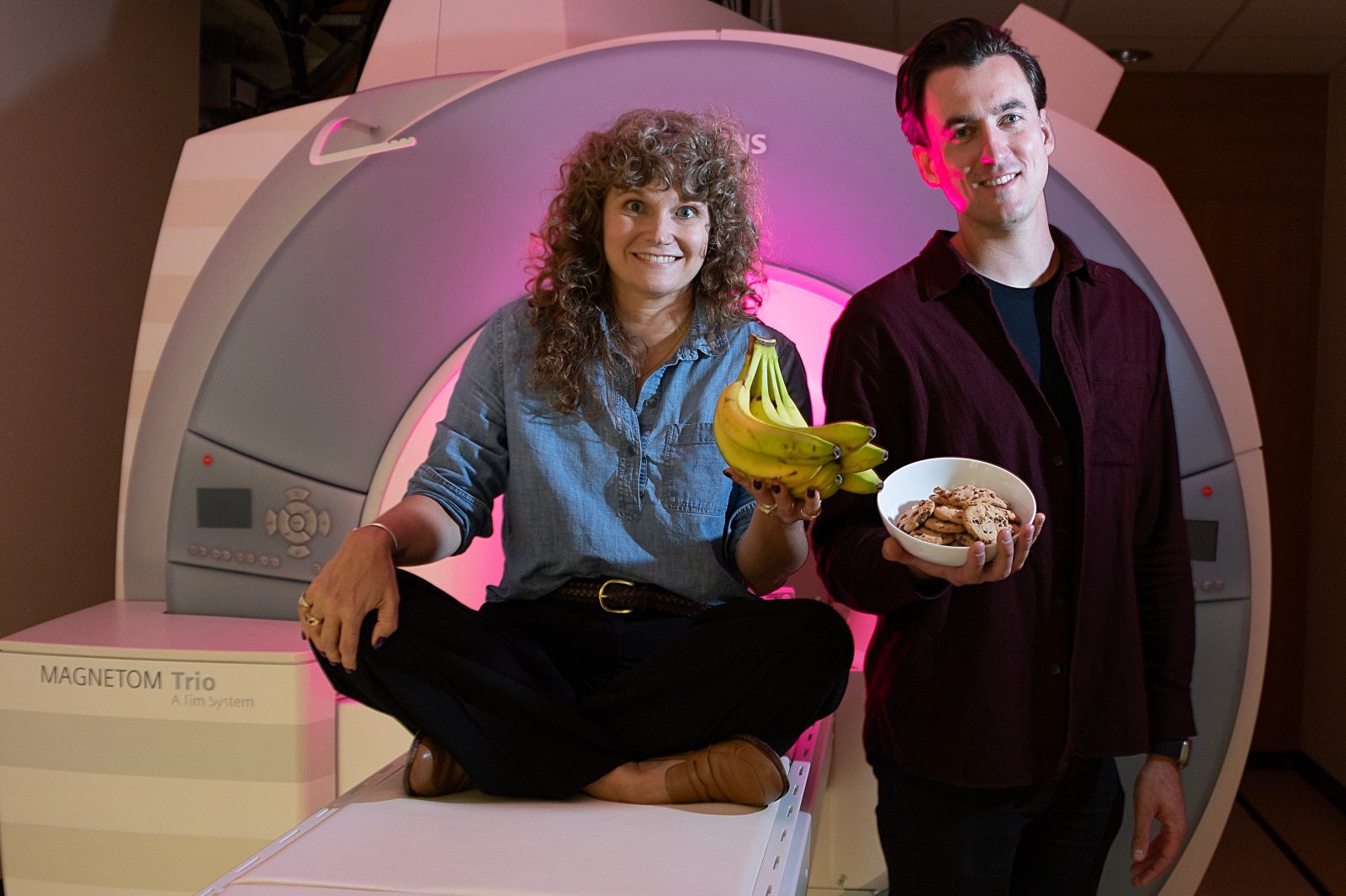
Researchers at Virginia Tech's Fralin Biomedical Research Institute have found that food processing significantly affects how our bodies react to meals, even when nutritional profiles are the same. Published in Nature Metabolism, the study reveals that meals labeled as minimally processed and ultraprocessed, both containing 300 matched calories, produced different metabolic outcomes. The ultraprocessed meals led to higher insulin release and increased energy expenditure, while also altering brain activity in regions related to motivation and reward.
Read More
Alex DiFeliceantonio, an associate professor at the institute, noted that while high consumption of ultraprocessed foods is correlated with serious health issues such as obesity and Type 2 diabetes, the precise mechanisms behind these associations remain insufficiently understood. The research involved 57 healthy adults aged 18 to 45, with 32 completing both the brain imaging and metabolic sessions. Each participant consumed both meal types in separate sessions, allowing the researchers to assess individual responses.
During the study, participants were placed in a metabolic chamber after an overnight fast and were given a limited time to eat their meals. The ultraprocessed meal included items like a peanut butter and jelly sandwich and instant mashed potatoes, while the minimally processed meal consisted of a banana, cheese, and egg. Despite both meals being nutritionally matched, the researchers found that post-meal insulin responses and blood sugar levels differed significantly.
Moreover, participants underwent functional MRI scans while viewing pictures of the meals they consumed to understand how brain activity corresponded to their metabolic responses. The scans indicated that differences in how the body processed the meals were linked to variations in brain responses to food cues. While participants did not express a greater willingness to pay for either meal type, the findings suggest that processing alters not only metabolism but also how food is perceived in terms of reward and preference.
Future research will aim to explore different populations, longer durations, and a broader range of meals to better understand the impact of food processing, potentially examining factors like additives and specific processing techniques. This study was supported by grants from the National Institutes of Health and the National Science Foundation.