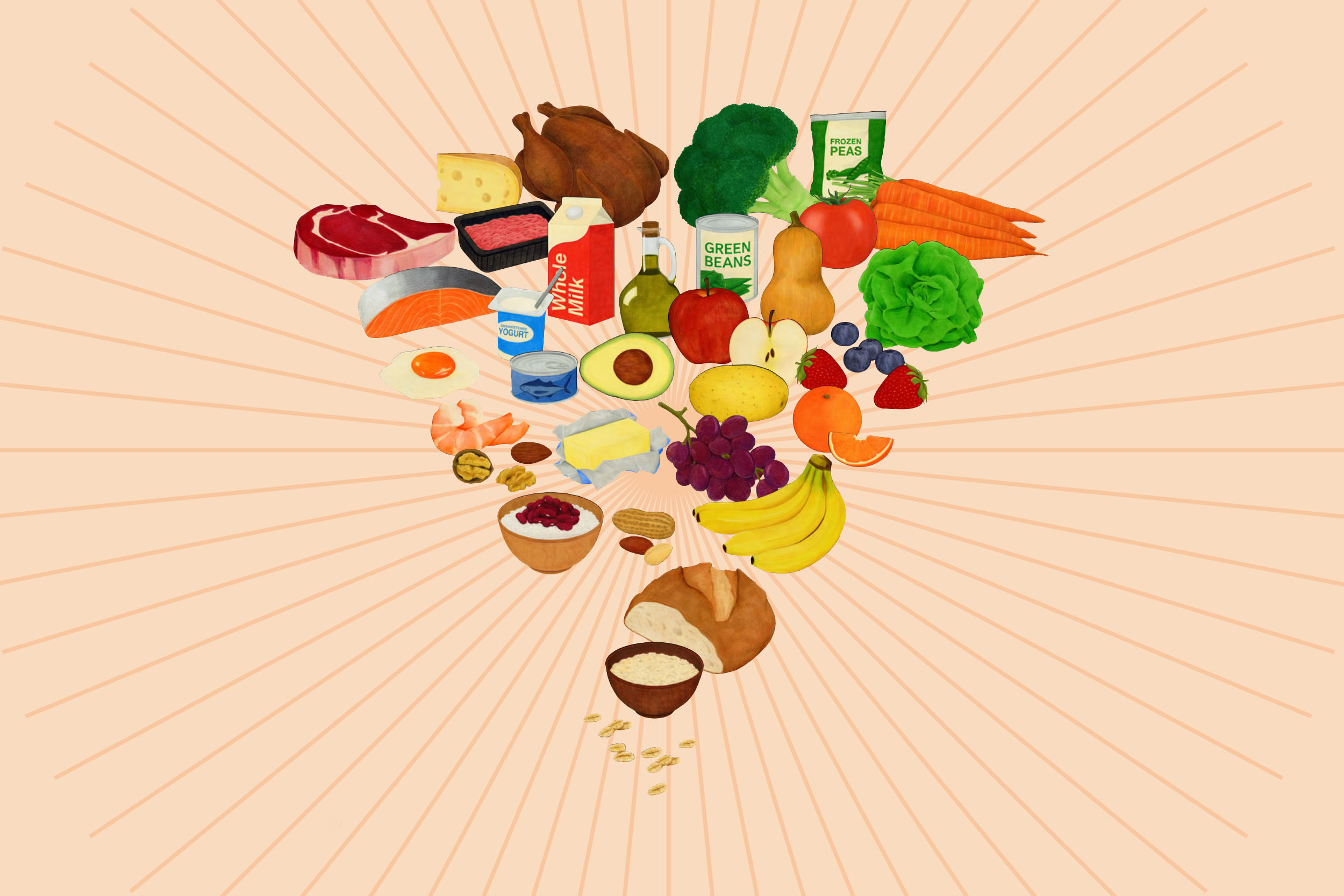
The U.S. Department of Health and Human Services and the U.S. Department of Agriculture introduced new dietary guidelines on Wednesday, marking a significant shift in nutrition advice by placing steak, cheese, and whole milk higher on the food pyramid. The recommendations encourage Americans to focus on protein while avoiding sugary and processed foods, which Health Secretary Robert F. Kennedy Jr. has described as detrimental to health. These guidelines are part of the 2025-2030 Dietary Guidelines for Americans. UVA Health’s pediatric dietitian Angela Sorrentino discussed the implications of these changes for everyday eating.
Read More
The most noteworthy change is the reintroduction of the food pyramid, previously replaced by MyPlate in 2011. MyPlate offered a customizable approach, allowing individuals to calculate dietary needs based on factors such as age, weight, and activity level. The new food pyramid aims to streamline nutrition recommendations for easier understanding.
Sorrentino explained that while the new pyramid simplifies dietary recommendations and addresses chronic disease prevention, it largely aligns with established dietary advice. The guidelines stress the importance of minimizing processed foods and incorporating more fruits, vegetables, and healthy fats into meals. Additionally, the recommended daily protein intake for adults has increased to 1.2-1.6 grams per kilogram of body weight, which is significantly higher than previous recommendations and may exceed the needs of many adults.
Simplified guidelines may lead to rigid thinking regarding food choices. Dietitians suggest focusing on a balanced diet that fits personal lifestyles and budgets. This includes a variety of protein sources, fruits, vegetables, healthy fats, and whole grains. While it is recommended to limit saturated fats, processed foods, and added sugars, individuals are encouraged to enjoy their favorite foods in moderation to avoid energy deficits and cravings.
Regarding sugars, the new guidelines advise against sugar-sweetened beverages and suggest limiting added sugars to less than 10 grams per meal. Previously, guidelines recommended that added sugars should not exceed 10% of daily caloric intake, equating to about 50 grams per day for a 2,000-calorie diet. The latest recommendations emphasize the avoidance of highly processed foods high in salt or sugar and push for more informed choices based on nutrition labeling. Furthermore, while healthy fats should be prioritized, saturated fats should still be limited to 10% of daily calories. Notably, the inclusion of full-fat dairy, butter, and beef tallow, which contain high levels of saturated fats, has raised concerns about their link to chronic diseases.