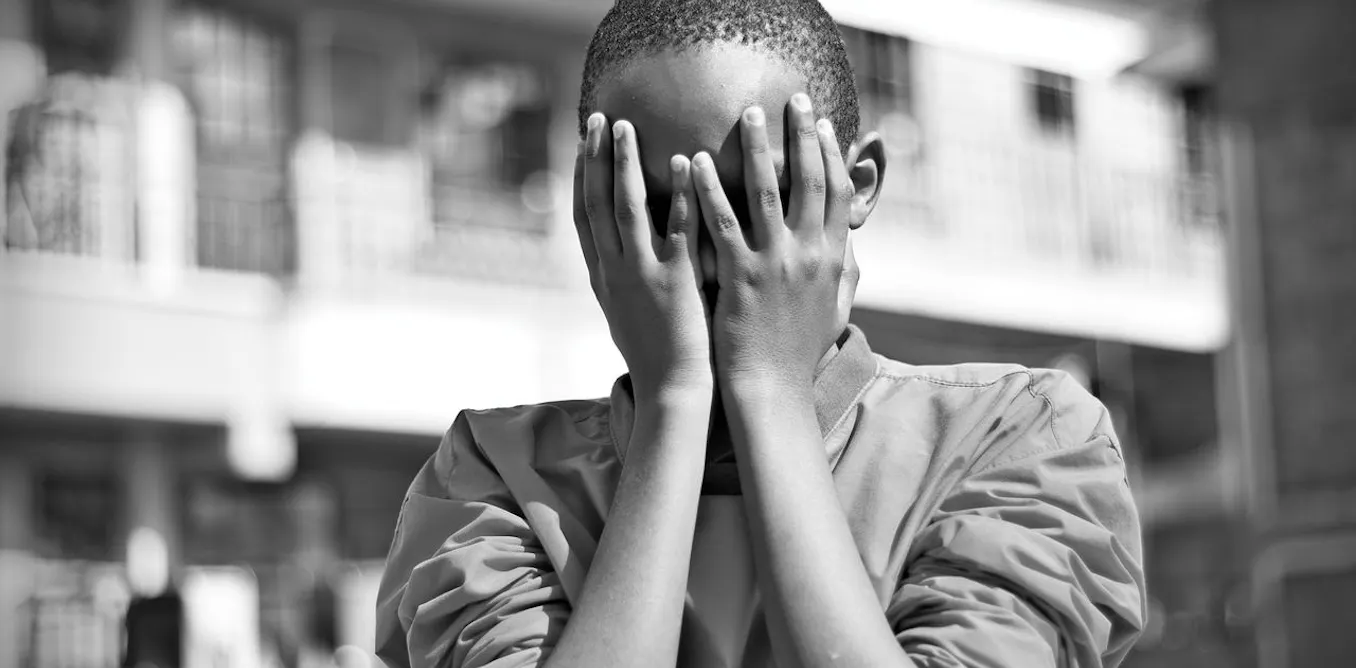
A statement from a research participant in Kampala illustrates a prevalent misconception: that depression is a concern only for wealthy individuals. This viewpoint emphasizes how socio-cultural beliefs hinder the recognition of mental health issues and discourage seeking help.
Read More
In 2025, Uganda’s Ministry of Education and Sports issued mental health and psychosocial support guidelines for schools, which included a training manual, teachers’ handbook, and wellbeing guide aimed at helping recognize distress and provide psychosocial support. The challenge now lies in effectively implementing these guidelines.
Researchers from the African Health and Population Research Center conducted a study to gather evidence for schools in Uganda to better adhere to these guidelines. The research included input from 200 learners, teachers, parents, community representatives, policy actors, and development partners across four districts: Kampala, Jinja, Gulu, and Mbarara. Each district presents unique socio-cultural influences and educational challenges.
The study revealed that socio-cultural and gender norms significantly affect the recognition of mental distress. Issues such as literacy, spirituality, poverty, family instability, and trauma were intricately linked to mental health perceptions in schools. Learner distress was often a reflection of overlapping academic and personal pressures, necessitating multi-faceted responses from schools.
The research dialogues involved various stakeholders, including learners aged 13-18, parents, teachers, youth organizations, religious leaders, NGOs, and special interest groups. Participants identified student mental health as an increasing concern, citing conditions such as depression, anxiety, and stress, which they linked to factors like academic pressures, family backgrounds, and bullying.
Participants noted the pervasive stigma surrounding mental health, viewing mental illness as morally wrong or as a problem associated with wealth. Many boys expressed a fear of appearing weak if they sought help, while learners across the board felt distrustful of adults, fearing judgment or public disclosure of their issues. Such misconceptions often lead to misunderstanding behavioral issues as mere disobedience.
Cultural beliefs sometimes attribute mental health problems to supernatural causes, complicating the perception and treatment of these issues. Societal expectations often compel boys to conceal their emotional struggles, while girls face unique pressures related to harassment and reproductive health stigmas.
To address these challenges, teachers are urged to consider that a student's behavior may stem from bullying, poverty, or family strife, rather than viewing it solely as a personal failing. Schools are encouraged to maintain cultural sensitivity while providing necessary support and to create safe, private spaces for students to seek help without fear of stigma.
The need for change extends beyond awareness campaigns; it requires a transformation in both societal norms and school systems, incorporating cultural understanding, confidentiality in counseling, gender-sensitive programming, and connectivity to community health services. The essential task for schools is to respond to distress with dignity and support, fostering an environment where seeking help is viewed as a strength.