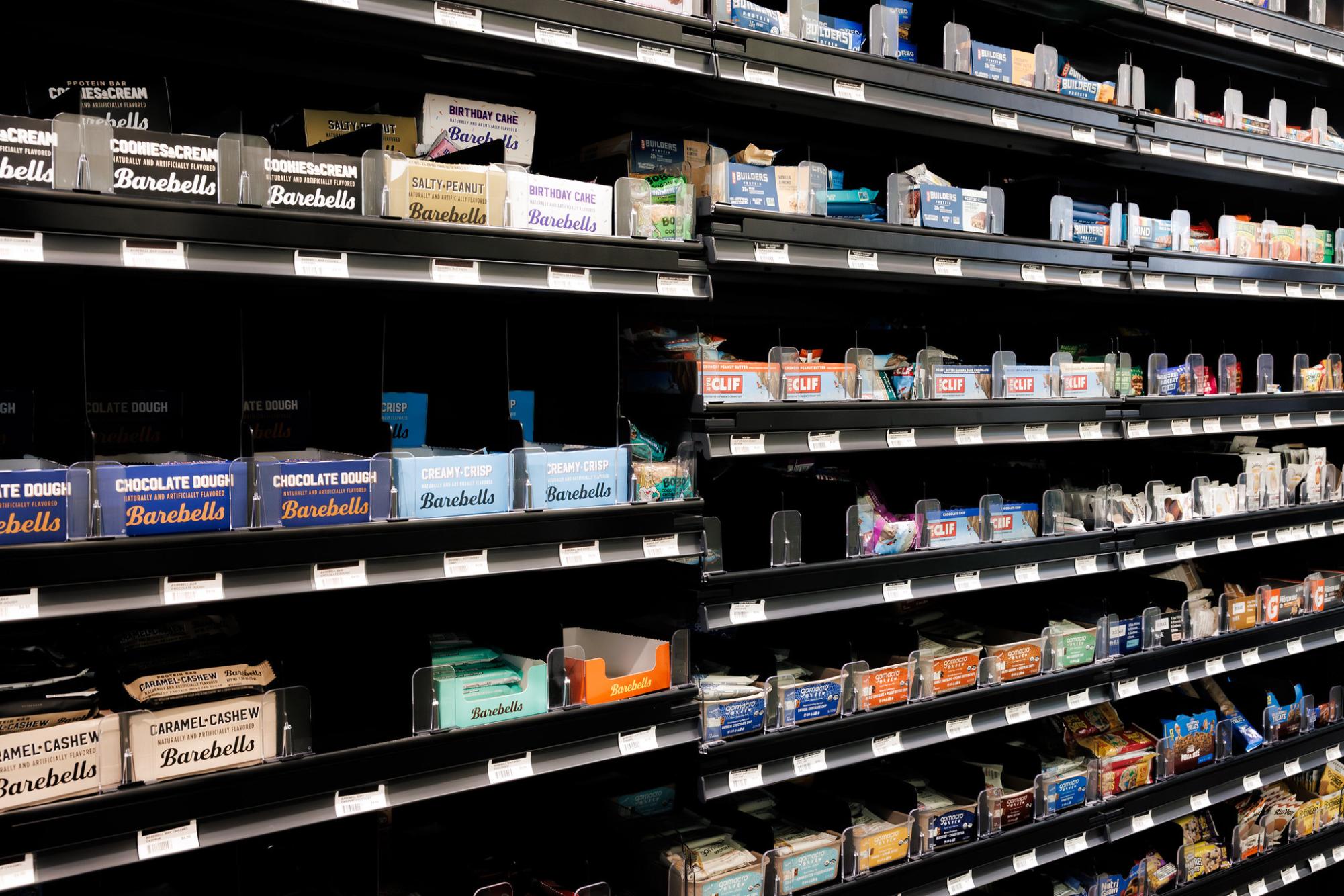
A recent TikTok video by influencer Amahree, which has garnered over 2.5 million views, humorously critiques the rise of protein-focused products, mentioning items like "protein burger" and "protein lipgloss." This trend has led to a proliferation of high-protein alternatives in grocery stores, including everything from protein Pop-Tarts to protein cocktails.
Read More
On the UC San Diego campus, convenience markets feature products like Muscle Milk Protein Shakes and Quest Protein Chips, prompting students to question their protein intake. May Rees, a registered dietitian with UCSD's Student Health Services, has observed an increasing number of students voicing concerns about their protein consumption, despite the fact that few experience protein deficiency relative to the World Health Organization's recommended intake of 0.83 grams per kilogram of body weight.
A study conducted in 2025 found that 71% of American adults have tried to boost their protein intake, a trend that has been growing since 2018. Rees attributes this surge in protein consumption to the mainstream popularity of bodybuilding and weight loss content, which often presents specific dietary guidelines as applicable to the general population.
Rees noted, "The protein industry is a billion-dollar market, and the sales of protein products have significantly increased. As these products gain traction, it creates a cycle of more offerings in response to consumer demand." This is evident in how the UCSD Residential Dining team decides which products to stock, relying on sales data to guide their choices.
In a statement, the dining team confirmed that while they look at trends from sales, they prioritize input from registered dietitians and relevant nutritional research when curating their menus. They clarified, "We do not make broad changes to our menus based solely on emerging trends."
As social media proliferates with portrayals of various diets, individuals may feel compelled to compare their eating habits to those of influencers, which can lead to feelings of guilt around food. Rees emphasizes that food holds no moral value, explaining, "Some food has more nutritional density than others, but that doesn’t mean donuts and cake are bad."
For individuals grappling with guilt over their dietary choices, Rees advocates for intuitive eating, which encourages people to listen to their body’s hunger and satisfaction signals rather than adhering to strict external rules. In her view, tracking protein intake is often unnecessary, as many previous generations met their nutritional needs without counting macro nutrients.
Rees also pointed out that while protein is important, a balanced diet must include fats and carbohydrates, as deficiencies in these areas can lead to various health problems. For instance, inadequate fat intake can result in energy imbalances and hormonal issues, while insufficient carbohydrates can lead to fatigue and mood changes. Moreover, a lack of fiber — a concern given that only 6% of American adults meet the daily recommendation — can result in high cholesterol and digestive issues.
In closing, Rees advises that as protein increasingly fills plates, one should consider what foods may be pushed aside. Students seeking guidance on nutrition can utilize UCSD's Health Promotion Services, which offers coaching on grocery shopping and meal preparation. For personalized advice, students may consult with a dietitian by obtaining a referral from their primary care or mental health providers.