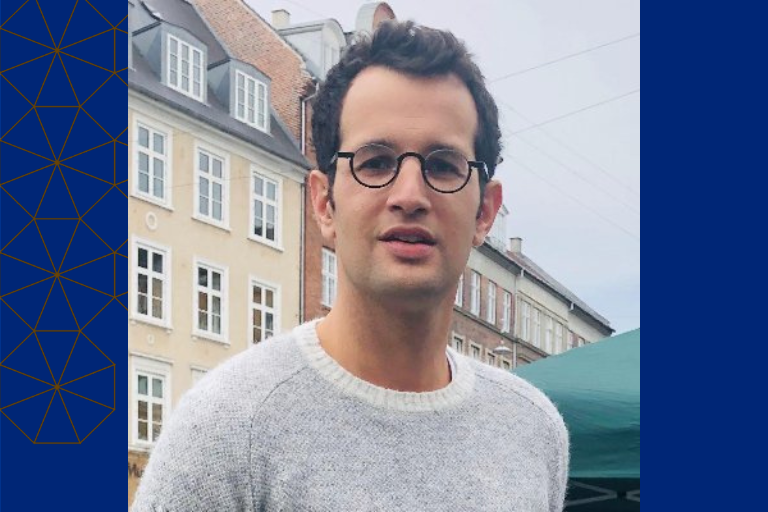
Omer Sharon, a postdoctoral fellow at UC Berkeley, has been awarded a $75,000 grant from the Glenn Foundation for Medical Research for the 2024 Postdoctoral Fellowship in Aging Research. This fellowship, sponsored by the American Federation for Aging Research (AFAR), supports studies aimed at enhancing understanding of human aging.
Read More
Sharon is affiliated with Berkeley’s Center for Human Sleep Science, where his research investigates the role of sleep in maintaining brain health. One of his key areas of focus is the glymphatic system, which is responsible for clearing harmful waste products linked to Alzheimer's disease, such as tau and amyloid-beta proteins. This system operates during sleep by facilitating the circulation of cerebrospinal fluid in the brain, although the mechanics of this process still provoke debate within the scientific community.
In an interview with Berkeley Social Sciences, Sharon shared insights about his background and the importance of the fellowship. He earned his Ph.D. in neuroscience at Tel Aviv University, specializing in sleep, memory, and aging, particularly concerning Alzheimer's patients. Sharon joined UC Berkeley to work with Psychology Professor Matthew Walker, a prominent figure in sleep science. The Center for Human Sleep Science hosts a comprehensive dataset of overnight sleep brainwave recordings, created in collaboration with UC Berkeley’s Public Health and Neuroscience Professor William Jagust, providing vital insights into the connection between sleep and Alzheimer’s pathology.
Sharon's research examines how sleep changes with age and its implications for brain health. His current project investigates electrical slow brain waves, which are critical during sleep. He points out that while younger individuals sleep significantly, older adults often have diminished sleep time and altered brain wave patterns. This variability in sleep among older adults could illuminate insights into aging and cognitive variability, as some retain cognitive sharpness into their 90s while others experience decline in their 70s.
He found that as people age, the ability of slow brain waves to spread across the brain decreases; they tend to remain localized to the frontal regions. This phenomenon correlates with tau protein buildup in the frontal cortex and is linked to diminished memory consolidation during sleep. Sharon believes that identifying the mechanisms of these traveling slow waves could lead to clinical interventions for cognitive decline associated with aging.
On what drew him to the science of sleep, Sharon expressed, "Sleep is fascinating because it remains such a mystery." He emphasized its essential role in memory consolidation and how conversations with patients experiencing memory issues have deepened his appreciation for the importance of cognitive health in aging.
The grant will specifically fund research investigating the correlation between sleep and the accumulation of tau and amyloid-beta proteins. While there is an established connection between poor sleep and protein buildup, the reasons behind it remain unclear. One hypothesis suggests that cerebrospinal fluid clears these proteins during sleep. Sharon aims to examine sleep in individuals with confirmed levels of tau and amyloid-beta, employing positron emission tomography (PET) scans to study cerebrospinal fluid flow during sleep.
Sharon expressed his excitement at receiving the fellowship, stating that it allows his team to gather preliminary data that could enhance understanding of how sleep affects aging and cognitive health, marking a significant step forward in this research field.