A recent study published in Frontiers in Nutrition explored the relationship between adherence to different types of plant-based diets and the risk of heart failure (HF) among middle-aged and older adults in the United Kingdom. Conducted using data from the UK Biobank, the research aimed to assess how healthful versus unhealthful plant-based diets impact HF risk.
Read More
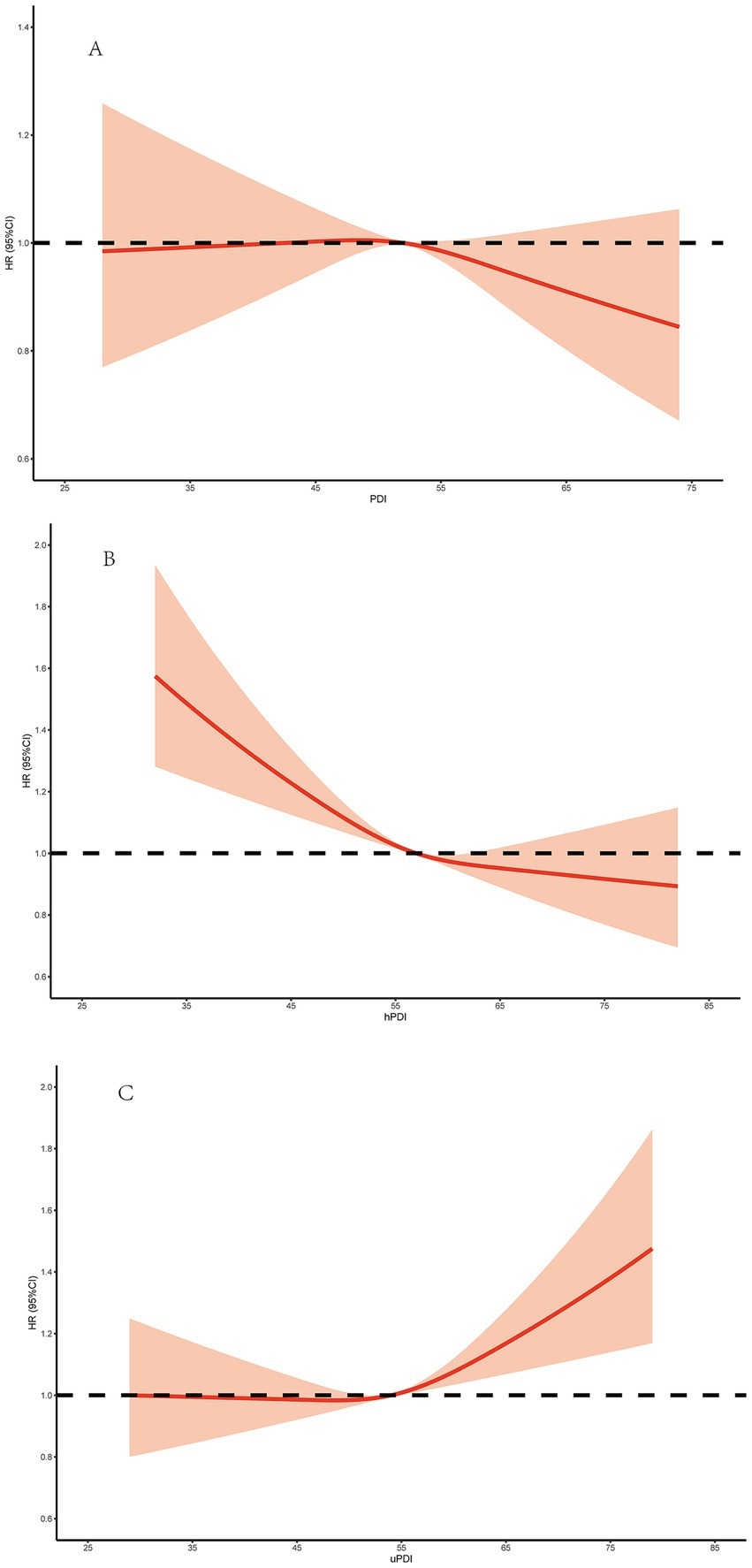
The cohort consisted of 190,092 participants without HF at baseline, with dietary data collected via 24-hour dietary recalls across 17 food groups. The study employed three diet indices: the overall plant-based diet index (PDI), the healthful plant-based diet index (hPDI), and the unhealthful plant-based diet index (uPDI). Over a median follow-up of 13.04 years, 4,351 new cases of HF were identified.
Findings indicated that higher adherence to hPDI, which emphasizes nutrient-dense plant foods, was associated with a 16% lower risk of HF compared to the lowest tertile, with a hazard ratio (HR) of 0.84. In contrast, a higher uPDI, characterized by less beneficial plant foods, correlated with a 11% increase in risk (HR of 1.11) for those in the highest tertile.
The study highlights the significance of dietary quality, emphasizing that while increasing overall plant-based food intake alone may not reduce HF risk, focusing on healthful plant foods is crucial. The research suggests that dietary patterns emphasizing beneficial plant foods may mitigate HF risk, reinforcing public health messages to prioritize healthy eating habits.
The study adds to a growing body of literature regarding the role of diet in chronic diseases, particularly heart health. Heart failure remains a public health concern, affecting over 56 million people globally, with increasing prevalence due to advances in treatment for other cardiac conditions. Consequently, prevention strategies, including dietary modifications, are vital to reducing the burden of HF.