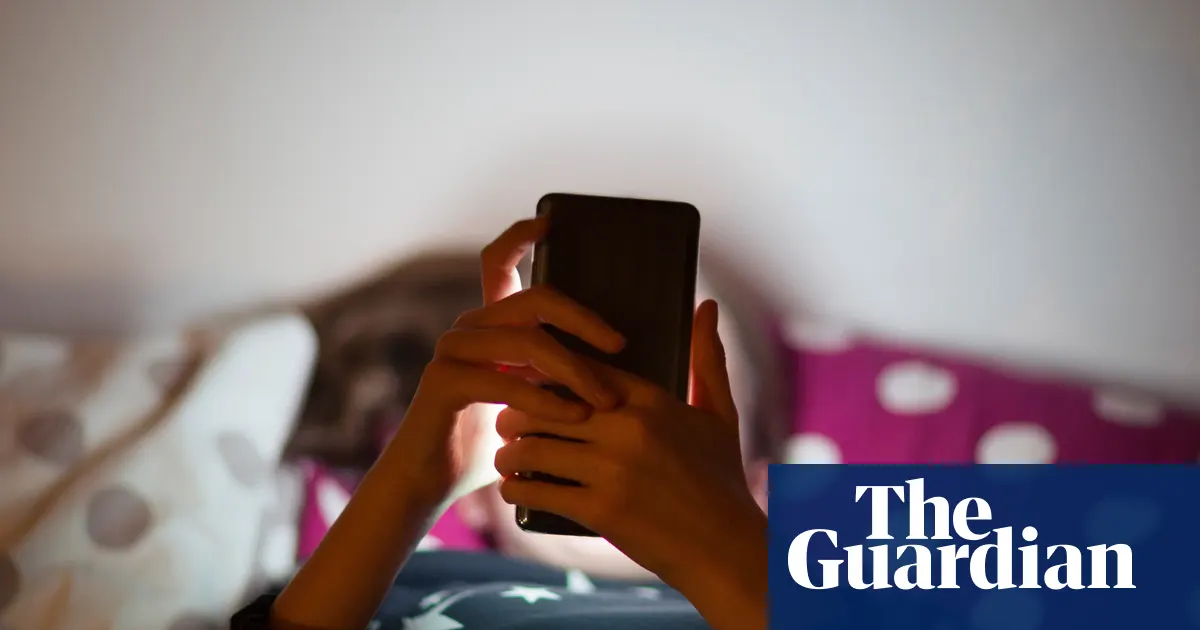
A study from Imperial College London indicates that children spending over three hours daily on social media are at a higher risk of developing anxiety and depression during their teenage years. The researchers suggest that this correlation may stem from poor sleep habits, particularly due to late-night social media use, with effects being more significant among girls.
Read More
The research analyzed responses from 2,350 children across 31 schools in London, part of a longitudinal study on cognition and mobile phone use initiated in 2014. The students completed cognitive tests and answered questionnaires regarding their digital behaviors, mental health, and lifestyles at two points: between ages 11 and 12, and again between ages 13 and 15.
The findings revealed that those who engaged with social media for longer periods were more likely to exhibit symptoms of anxiety and depression than their peers who limited their online time to about 30 minutes a day. Researchers highlighted that increased screen time may lead to delayed bedtimes and reduced overall sleep, particularly on school nights.
Professor Mireille Toledano, the study's principal investigator and chair of Imperial’s Mohn Centre for Children’s Health and Wellbeing, emphasized the connection between excessive social media use and negative mental health outcomes. She stated, "Children who use social media apps for longer, and later into the evening, may be offsetting the sleep they need to function healthily. We think this is the key reason we’re seeing a lasting impact on their mental health down the line."
In light of these findings, the UK government recently initiated a consultation regarding potential measures to safeguard children online, which may include a partial ban on social media for users under 16. Meanwhile, Australia has already implemented a similar ban, deactivating or restricting accounts of 4.7 million minors shortly after it took effect in December.
Toledano pointed out the lack of evidence supporting a ban in the UK, particularly given increasing support for limiting smartphone usage in schools. "The picture is complex and multi-factorial, and we need to better tease out what is driving the associations we see," she said. She also cautioned against hastily adopting a ban without considering the outcomes of Australia’s measures during the year.
The study's results were published in BMC Medicine, where researchers advocated for enhanced digital literacy education in secondary schools and noted the need for further studies, given the significant changes in social media since the data was collected from 2014 to 2018.
Dr. Chen Shen from Imperial’s School of Public Health remarked on the rapid evolution of social media, asserting, "As the platforms, usage, and content evolve, we need continued research to understand how social media use affects children’s mental health in today’s digital environment."