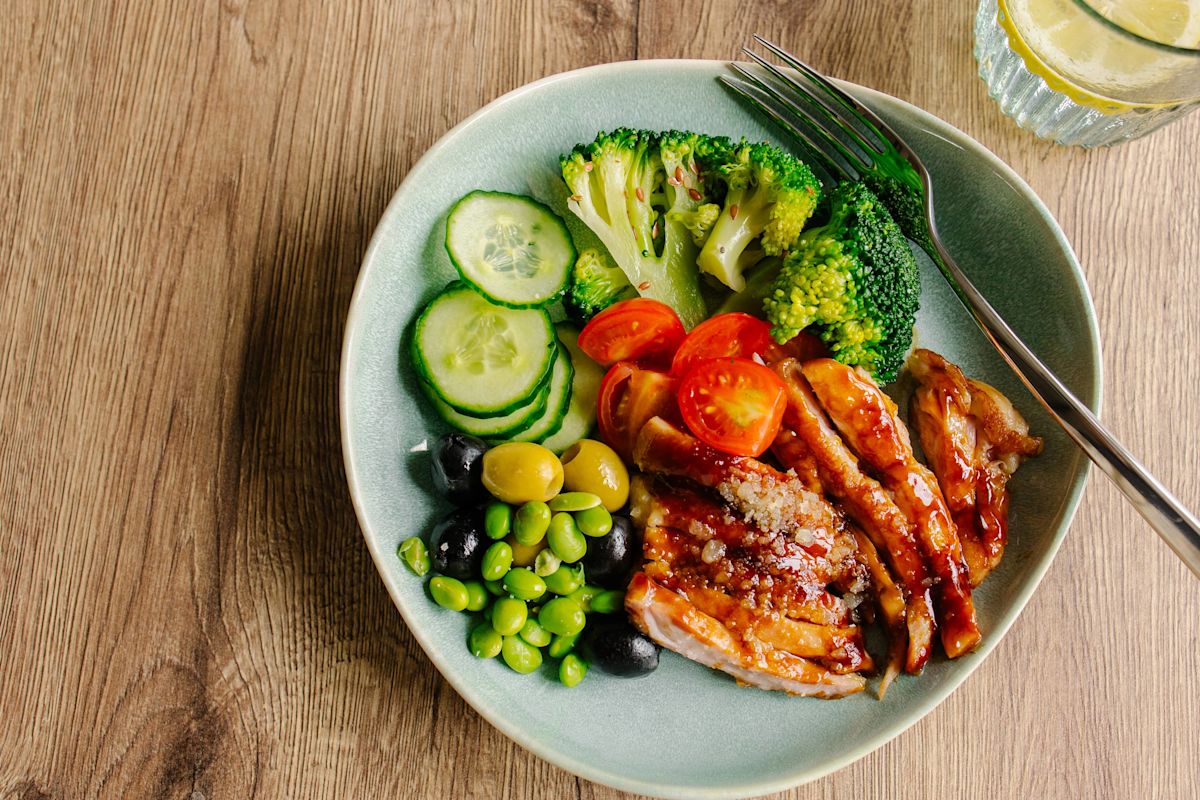
Nutrition plays a significant role in maintaining muscle mass as people age, but experts emphasize that muscle must be actively challenged through exercise. A systematic review and meta-analysis conducted in 2024 found that resistance training notably increased whole-muscle size and muscle-fiber area among adults aged 65 and older. This serves as context for a new AARP guide detailing eight foods that support muscle health.
Read More
The recommended foods include:
- **Milk**: A source of complete protein rich in leucine, an amino acid that stimulates muscle protein synthesis. AARP advises choosing vitamin D-fortified milk.
- **Chicken**: A lean protein source that provides around 26 grams of protein per 3-ounce serving.
- **Tofu**: Plant-based soy protein that can deliver approximately 22 grams of protein per half-cup, depending on the variety.
- **Beans**: These contribute plant protein and fiber. Pairing beans with grains like brown rice provides all nine essential amino acids.
- **Wild salmon**: Offers high-quality protein, omega-3 fatty acids, and vitamin D.
- **Eggs**: Each large egg contains about 6 grams of protein, with the yolk contributing vitamin D and other nutrients.
- **Sweet potatoes**: While not high in protein, sweet potatoes offer carotenoids and nutrients that complement protein-rich foods.
- **Red bell peppers**: These are rich in carotenoids and vitamin C, highlighting the importance of a varied nutritional approach.
Protein intake remains crucial for muscle maintenance. Research cited by AARP suggests that older adults should consume approximately 1 to 1.2 grams of protein per kilogram of body weight daily, with variations based on health status and activity level. A 2024 meta-analysis involving 854 adults aged 60 and older with sarcopenia concluded that combining protein supplementation with resistance exercise led to significant improvements in both muscle mass and strength.
While AARP's list emphasizes protein-rich foods, the inclusion of sweet potatoes and red bell peppers indicates a broader nutritional strategy. Both Roger Fielding, PhD, a researcher at Tufts University studying age-related muscle loss, and AARP stress that poor diet and physical inactivity are risk factors for sarcopenia. Fielding advises that resistance or strength training is the most effective form of exercise for maintaining muscle health.