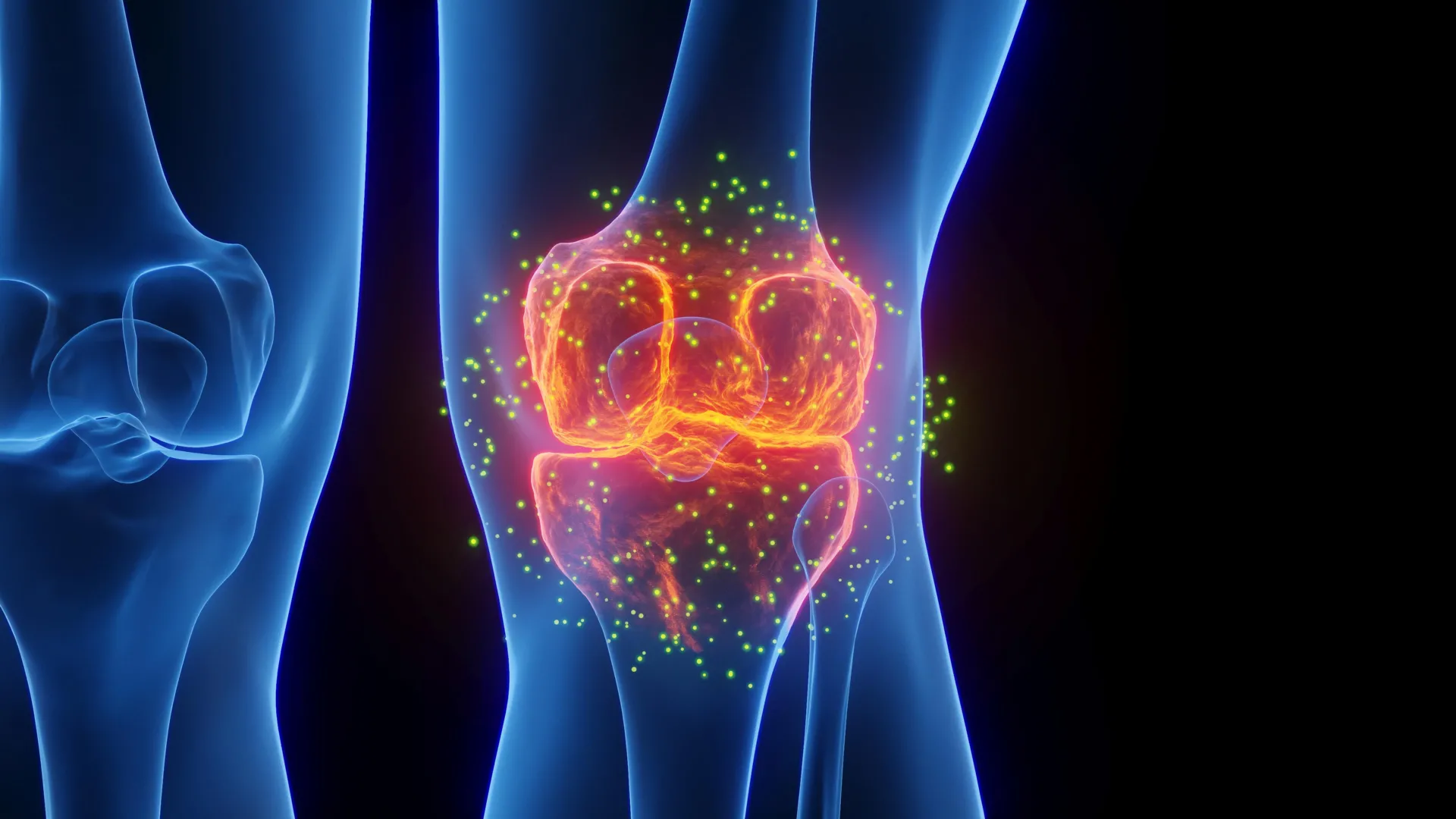
Research indicates that a diet high in ultra-processed foods is associated with unhealthy changes in thigh muscle composition among individuals at risk for knee osteoarthritis. The findings, published in the journal Radiology by the Radiological Society of North America (RSNA), reveal that participants consuming more ultra-processed foods had greater amounts of intramuscular fat, independent of overall calorie and fat intake, physical activity, or sociodemographic factors.
Read More
Ultra-processed foods, which are designed for convenience and often high in sugar, fat, salt, and carbohydrates, may pose health risks. Common examples include breakfast cereals, packaged snacks, and ready-to-eat meals. Study lead author Dr. Zehra Akkaya of the University of California, San Francisco, described the trend of diminishing natural ingredients in diets and the rise of industrially processed foods correlating with increased obesity and knee osteoarthritis.
The study involved 615 participants from the Osteoarthritis Initiative, with an average age of 60 and an average body mass index (BMI) of 27, indicating they were mostly in the overweight category. Approximately 41% of their dietary intake was classified as ultra-processed food.
Findings demonstrated a clear connection between higher ultra-processed food consumption and increased fat in thigh muscles. MRI scans revealed fatty degeneration within muscle tissue, presenting as streaks of fat among muscle fibers. This research emphasizes that diet quality, rather than just calorie intake, plays a significant role in body composition and muscle health.
Dr. Akkaya noted that the study highlights the importance of quality nutrition in managing knee osteoarthritis. While addressing obesity remains a primary objective in treatment, attention to diet quality, particularly reducing ultra-processed food intake, may also be crucial in preserving muscle quality and mitigating the effects of knee osteoarthritis. The study is a pioneering effort in examining the relationship between ultra-processed food consumption and muscle composition using MRI.