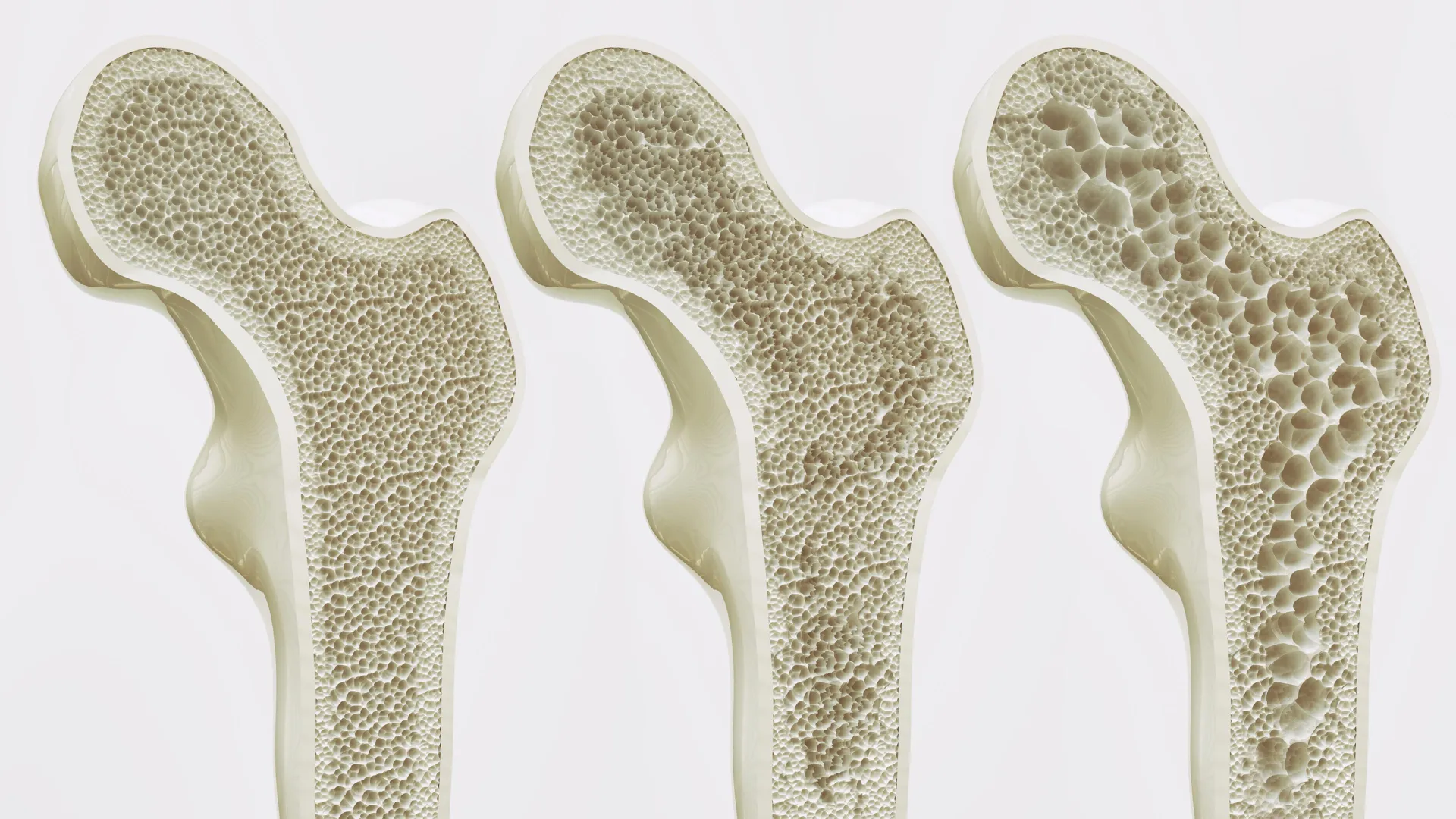
A comprehensive review published in The BMJ has revealed that calcium and vitamin D supplements, often used by older adults to promote bone health, offer little meaningful protection from falls and fractures.
Read More
Falls represent a significant health risk for individuals aged 65 and older, with approximately one in three experiencing a fall annually. Such incidents can lead to serious fractures, chronic pain, loss of independence, and a decline in quality of life, underscoring the importance of effective strategies to prevent them.
Calcium and vitamin D have long been regarded as essential for bone health, with calcium serving as a primary structural component and vitamin D aiding calcium absorption and supporting normal bone function. However, past reviews have shown that neither calcium nor vitamin D administered alone are effective at reducing fracture risk, while the benefits of combined supplementation have remained unclear.
Despite these uncertainties, vitamin D supplements are frequently recommended by healthcare providers, and prescriptions have markedly increased in recent years.
Canadian researchers analyzed data from 69 randomized controlled trials involving 153,902 participants to assess the efficacy of calcium, vitamin D, or both supplements compared to placebo or no treatment, focusing on their impact on fractures and falls.
The researchers determined that there was little to no clinical benefit regarding fracture prevention from either supplement alone, with moderate certainty evidence supporting that conclusion for calcium from 11 trials involving 9,067 participants. For vitamin D, the evidence from 36 trials involving 92,045 participants was deemed to have high certainty. A similar lack of effect was noted for the combination of both supplements based on high certainty evidence from 15 trials involving 51,126 participants. This trend persisted when evaluating specific instances of hip fractures and falls.
The researchers noted that some results were drawn from smaller studies, indicating caution in interpreting those findings. They also emphasized that the conclusions might not apply universally, especially for individuals with specific bone disorders or those undergoing osteoporosis treatment.
Despite these nuances, the overall evidence indicated consistency across various demographics and health backgrounds. As a result, the researchers concluded that routine supplementation with calcium or vitamin D is not supported for fracture and fall prevention and urged healthcare professionals and regulatory bodies to reconsider their recommendations.
Additionally, researchers advocating for more rigorous, large-scale studies highlighted the need for alternative strategies that could significantly alleviate fall risks. Approaches such as balance training and resistance exercises, focused on improving strength and stability, are suggested to be more effective at preventing falls and injuries.
The findings suggest that a comprehensive approach, including exercise and risk assessment, may be necessary for effectively preventing falls and fractures among older adults.