A recent ruling by the 5th U.S. Circuit Court of Appeals has invalidated a federal mental health regulation established during the Clinton administration. The decision stems from Exxon Mobil's challenge to a $691 fine related to a 2021 refinery fire and reflects broader implications for workplace health regulations.
Read More
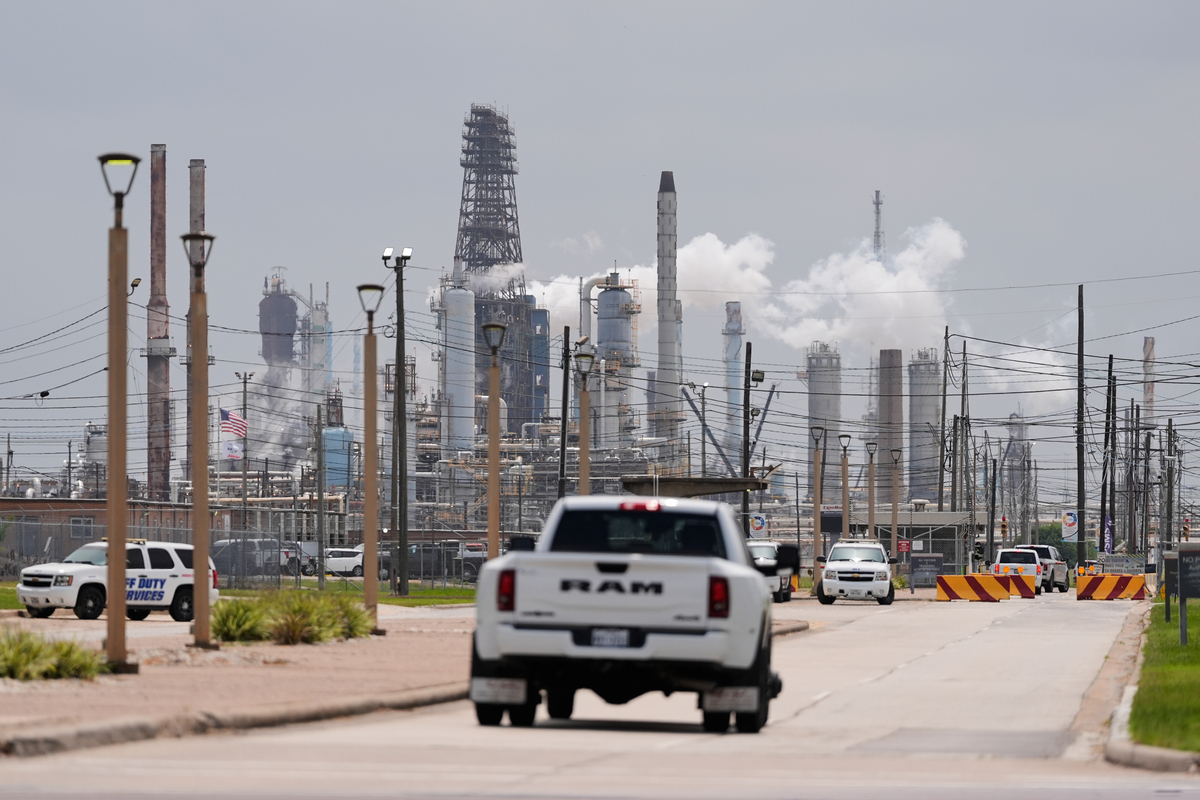
The case connects workplace health and safety standards with a fire incident at Exxon Mobil’s Baytown refinery complex in Texas, which occurred on December 23, 2021. A male process technician, who chose to remain anonymous, was among the responders to the blaze. He faced significant challenges while assisting firefighters and was later diagnosed with post-traumatic stress disorder (PTSD) by multiple health professionals, including social workers and his primary care physician.
Despite these diagnoses, Exxon Mobil maintained that the professionals lacked the necessary qualifications to categorize the condition as a “recordable work-related mental illness.” After a psychologist within Exxon’s employee assistance program also diagnosed him with PTSD and recommended six months of leave, the company requested a second opinion, which the worker declined. Exxon then sent his file to another provider, who determined he did not suffer from work-related PTSD, leading Exxon to rule that the employee did not have a reportable mental illness.
The refinery’s union reported the situation to OSHA, which found an “other-than-serious” violation regarding the company’s failure to record the mental illness, resulting in the imposition of the fine. Following an appeal by Exxon, the 5th Circuit agreed with the company’s argument that OSHA lacked authority to enforce reporting of workplace mental illnesses. They asserted that the law, as it is written, primarily refers to physical ailments.
Judge Cory Wilson, a Trump appointee, noted that while OSHA's intent to improve mental health is commendable, the scope of its authority is limited by the framework established by Congress. He stated that the term “illnesses” primarily refers to physical conditions, based on interpretations prevalent at the time the Occupational Safety and Health Act was enacted in 1970.
Other judges on the ruling included Chief Judge Jennifer Walker Elrod and Judge Jerry Edwin Smith. In a response, Exxon Mobil expressed satisfaction with the court's findings, stating they had complied with OSHA’s rules and regulations. As of now, OSHA has not issued a comment on the ruling.