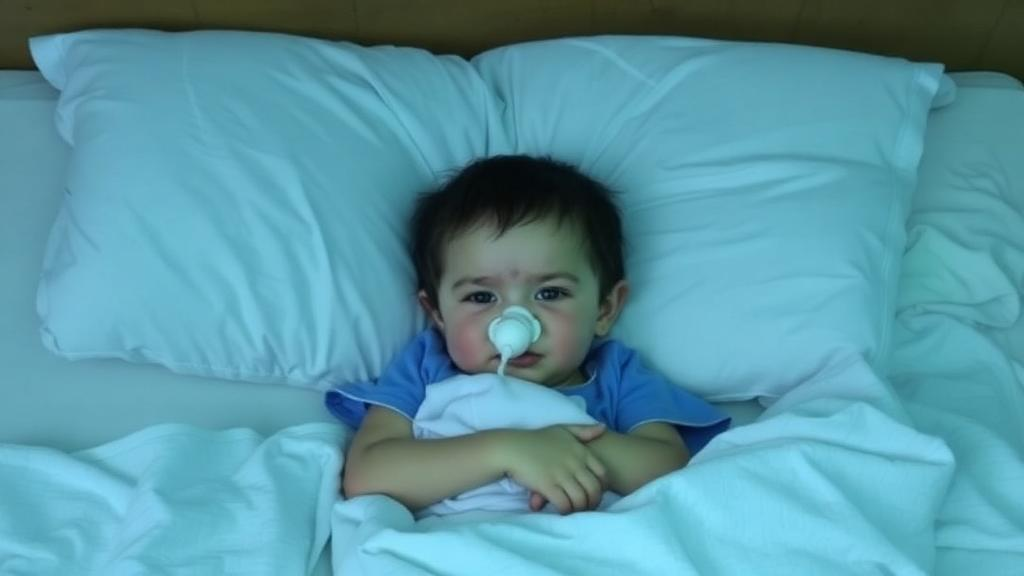
Children with neuromuscular diseases, including Duchenne muscular dystrophy and spinal muscular atrophy, face significant risks during sleep as their respiratory muscles weaken. A multicenter study in Canada, published in the Journal of Clinical Sleep Medicine, reveals that updated guidelines for initiating non-invasive ventilation (NIV) are more effective than older criteria in addressing sleep-disordered breathing in these children.
Read More
Led by researchers Vanessa Campes Dannenberg and Maria L. Castro-Codesal from the University of Alberta, the study analyzed medical records of 115 children and young people recommended for home NIV from 2010 to 2023. The cohort, primarily male with a median age of 11.8, included a variety of diagnoses: 39 percent had Duchenne muscular dystrophy, 19 percent had congenital muscular dystrophies, and 14 percent had spinal muscular atrophy. Most participants also had multiple chronic conditions, with a median of four comorbidities per patient, highlighting their medical complexity.
The study evaluated whether three different polysomnography-based diagnostic criteria effectively identified which children required breathing support. The researchers compared the 2023 guidelines from the American College of Chest Physicians (CHEST) with the traditional American Academy of Sleep Medicine (AASM) definitions and an innovative set of REM-related criteria proposed by the authors. The CHEST criteria trigger intervention based on carbon dioxide levels that exceed specific thresholds or oxygen saturation dips.
The results indicated significant discrepancies between the criteria sets. Only 9 percent of participants met the AASM hypoventilation criteria, while CHEST guidelines identified 25 percent, and the REM-related criteria flagged 12 percent. Regarding nocturnal hypoxemia, CHEST criteria uncovered 22 percent, whereas the REM-related criteria detected 15 percent. In total, 71 percent of children met at least one NIV initiation criterion across the three sets, with many identified solely by the newer guidelines.
Analysis of the agreement among the criteria sets revealed a moderate overall correlation between CHEST and REM-related criteria. The study notably showed that children with neuromuscular disorders frequently experience REM-related hypoventilation that may not produce distinct apnea events.
Following the start of NIV, the research found that 96 percent of children initiated therapy successfully, with 73 percent adhering for six to twelve months. On average, children used the respiratory machine for six hours nightly, with many reporting health improvements during follow-ups. However, there were no significant differences in lung function before and after NIV initiation among various criteria groups, reflecting the complexity of underlying health conditions.
The authors emphasize the clinical relevance of their findings, supporting earlier research suggesting that disease-specific criteria could prompt earlier ventilation for more children. This study broadens that insight for a wider range of neuromuscular conditions, reinforcing the need for specific polysomnographic criteria that account for unique physiological responses during REM sleep. The researchers caution that delaying ventilation until advanced hypoventilation develops poses ethical concerns, underscoring the necessity for continuous monitoring of REM sleep.
The study advocates integrating disease-specific and sleep-stage-specific criteria in clinical guidelines to identify children at risk of respiratory failure early, which could help manage the progression of respiratory decline.