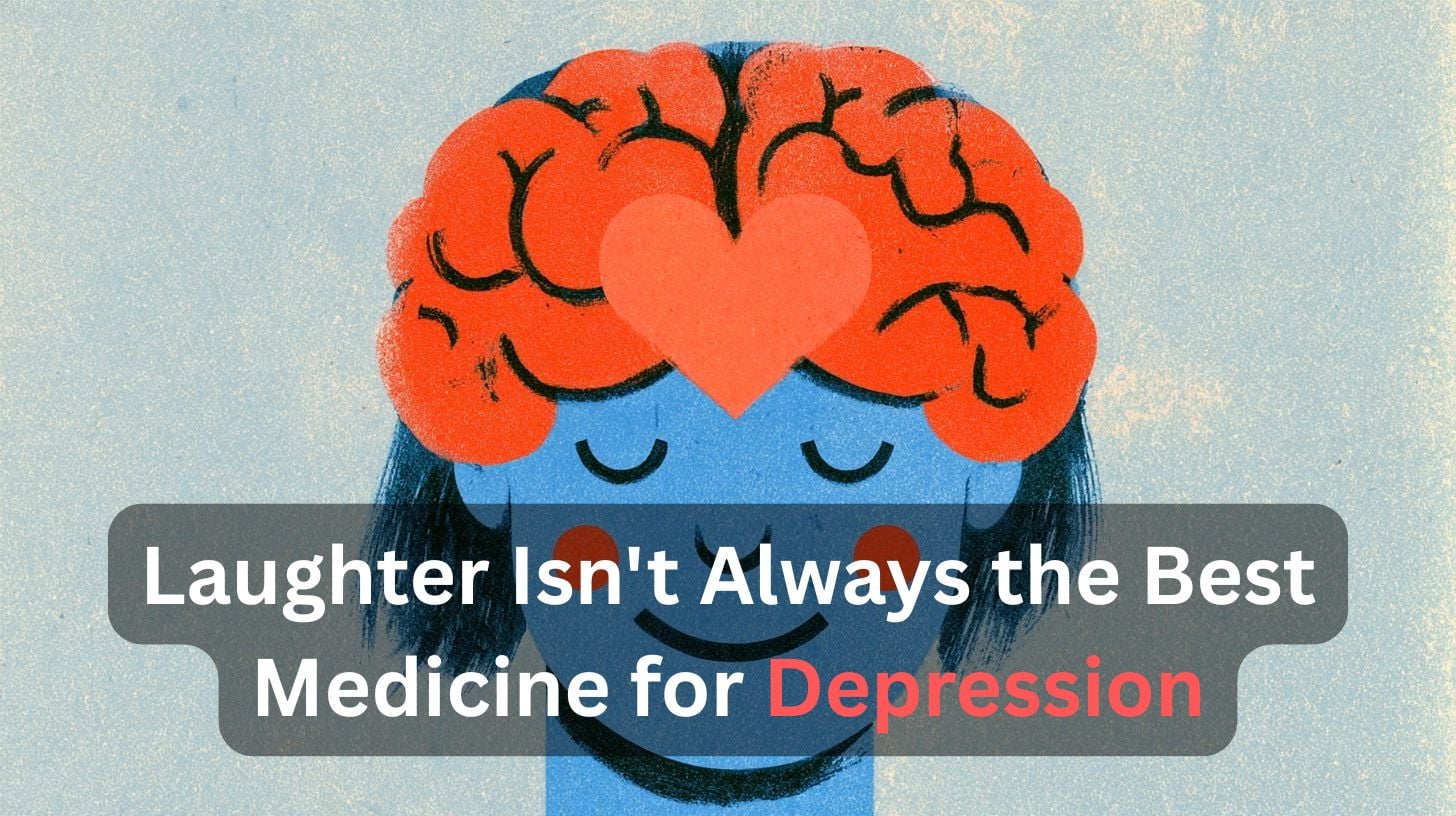
A review of clinical psychology and neuroimaging studies has revealed that humor can help build resilience and prevent depressive relapse, but it may be counterproductive during acute episodes of depression. The effectiveness of humor largely depends on the stage of the illness, context, and format; forced laughter or dark humor can exacerbate anxiety and reinforce negative thought patterns.
Read More
During acute severe depression, humor-based interventions have proven largely ineffective and even harmful. However, they can be beneficial for those in partial remission or experiencing mild symptoms, as they help foster psychological resilience. Individuals suffering from depression are also particularly susceptible to gelotophobia, the fear of being laughed at, making forced humor attempts potentially feel like mockery and leading to increased anxiety.
Research suggests that lighthearted humor can serve as an emotional distraction and provide a protective buffer against distress. On the other hand, self-directed humor or dark memes can intensify rumination and negative cognitive patterns. Clinical psychologist Dr. Anna Braniecka of SWPS University emphasizes the need for caution. She noted that while humor can serve as an adjunct therapy to address repetitive rumination and low positive affect, its use must be context-sensitive and tailored to the patient's emotional state.
Dr. Braniecka reviewed extensive literature on humor in relation to depression, highlighting that it is not a universal solution. During severe episodes, humor's therapeutic efficiency diminishes, often failing to yield positive results. Instead, the priority should be on individual cognitive and emotional needs, especially since misunderstandings around humor can lead to feelings of alienation for the patient.
Clinicians are advised to assess the appropriateness of humor carefully to avoid inadvertently trivializing a patient’s pain. This guidance becomes increasingly relevant as mental health services expand into digital platforms where humor might be automated. If not carefully applied, digital humor tools could worsen depressive symptoms due to misinterpretations of user distress.
While humor can enhance treatment for depression, Dr. Braniecka cautions that it cannot replace comprehensive therapy. It is more effective when tailored to promote resilience and maintain a positive outlook, rather than during acute challenges with depressive symptoms.