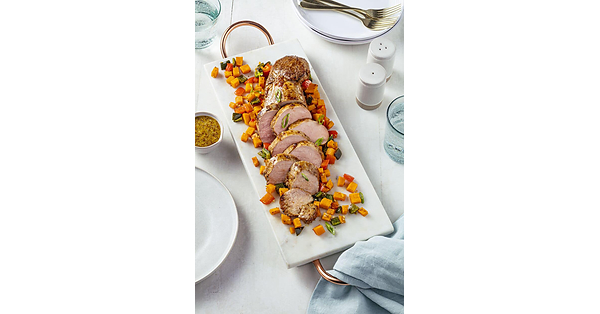
Recent research from U.S. universities indicates that pork-based meals can support muscle health, particularly in older adults and athletes. Three peer-reviewed studies highlight the benefits of including lean pork as part of a balanced diet, suggesting it aids in muscle performance, recovery, and healthy aging.
Read More
One study led by Dr. Moul Dey at South Dakota State University, published in Current Developments in Nutrition, found that a plant-forward diet with fresh, lean pork helps older adults maintain essential functional strength measures, such as grip strength and the ability to stand from a seated position. The research compared protein sources from approximately six ounces of lean pork to a plant-based diet consisting of about 1.5 cups of lentils, chickpeas, black beans, and split peas, matched for macronutrients and calories. The findings revealed that participants consuming pork maintained functional strength without the need for additional exercise. Moreover, while fasting insulin levels decreased for both diets, HDL cholesterol levels were higher after consuming pork.
Dr. Dey noted that maintaining muscle health is crucial for independence as people age. "This trial showed that older adults could sustain their ability to perform daily activities, which is encouraging for those looking to preserve muscle function over time."
Another study from the University of Illinois, published in the American Journal of Clinical Nutrition, examined the muscle-building effects of both lean and higher-fat pork meals on physically active adults. Participants who consumed either a lean (approximately 20 grams of protein, 4.4 grams of fat) or higher-fat pork meal (around 20 grams of protein, 20.6 grams of fat) after resistance exercise experienced a greater muscle protein synthesis response compared to those who had a carbohydrate-only meal. Dr. Nicholas A. Burd, the study's lead author, emphasized the importance of protein quality and the meal's real-world appeal around workout times.
The third study, conducted at Texas A&M University and published in Nutrients, assessed how meals ready-to-eat (MREs) containing fresh lean pork affected muscle recovery in military cadets following the Army Combat Fitness Test. Cadets who consumed pork-based MREs reported less muscle soreness and had favorable changes in recovery biomarkers compared to those who received plant-protein MREs.
These studies, funded by the National Pork Board, underscore the significant role of pork in building and maintaining muscle strength. Dr. Kristen Hicks-Roof from the National Pork Board suggests that creating a "strength sustaining plate" can be straightforward and beneficial. She recommends starting with nutrient-dense protein like fresh pork and complementing it with fiber-rich foods, vegetables, and whole grains to enhance overall meal quality.
The National Pork Board is responsible for overseeing research, promotion, and education about pork, working to ensure sustainable production and reduce the environmental impact of pig farming.